Executive Summary
The medical industry relies heavily on advanced materials that ensure safety, hygiene, and effectiveness in patient care and professional protection. Among these materials, non-woven fabrics have emerged as a cornerstone, revolutionizing medical practices with their versatility and performance. This comprehensive article explores the types, applications, key properties, and future trends of medical-grade nonwovens, providing valuable insights for healthcare providers, manufacturers, and industry professionals seeking to understand and leverage these essential materials in their operations.
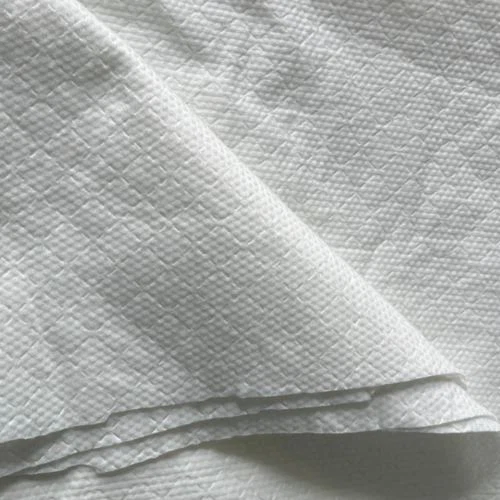
1. Introduction to Medical Non-Woven Fabrics
Medical non-woven fabrics represent a specialized segment of healthcare textiles engineered for single-use applications where hygiene and infection control are paramount. Unlike traditional woven or knitted fabrics, nonwovens are produced by bonding fibers together through mechanical, thermal, or chemical processes, resulting in materials with distinct properties that make them ideal for a wide range of medical applications.
The significance of nonwovens in healthcare cannot be overstated. These materials provide critical barrier protection against pathogens, help reduce hospital-acquired infections (HAIs), and offer cost-effective solutions for maintaining sterile environments. With the global emphasis on infection prevention highlighted by recent pandemics, the role of advanced medical textiles has become increasingly important in healthcare settings worldwide.
Manufacturers continue to innovate in this space, developing nonwovens with enhanced properties such as improved breathability, superior filtration efficiency, and sustainable characteristics. For healthcare decision-makers, understanding the capabilities and specifications of these materials is essential for selecting appropriate products that meet both clinical needs and regulatory requirements.
2. Applications of Non-Woven Fabrics in Healthcare
The applications of medical non-woven fabrics span across virtually every aspect of healthcare delivery, from surgical procedures to patient care and hygiene maintenance. These materials have become indispensable in modern medical practice due to their functional properties and sterility assurance.
2.1 Surgical Applications
In the surgical theater, non-woven products create a sterile barrier that protects both patients and healthcare professionals from potential contamination. These include:
Surgical gowns: Specifically designed with barrier properties to prevent the transmission of fluids and microorganisms during procedures. These gowns often feature SMS construction (spunbond-meltblown-spunbond) that combines strength with protection.
Surgical drapes: Used to create sterile fields around operative sites, these drapes prevent microbial migration and reduce the risk of surgical site infections (SSIs).
Surgical caps and masks: These provide airborne particle filtration and prevent the shedding of contaminants from healthcare personnel. Modern surgical face masks typically incorporate multiple layers including meltblown filtration media for enhanced protection.
2.2 Infection Control and Prevention
Infection control products made from nonwovens play a crucial role in reducing hospital-acquired infections (HAIs), which affect millions of patients globally each year:
Isolation gowns: These offer a liquid-resistant barrier for healthcare workers treating patients in isolation precautions, providing protection against potentially infectious materials.
Medical masks: Including both procedure masks and respirator masks (N95, N99) that filter airborne particles. The COVID-19 pandemic particularly highlighted the importance of high-filtration nonwovens in respiratory protection.
Shoe covers and head covers: These complete the protective ensemble, preventing contaminants from being transported into or out of sensitive areas.
2.3 Wound Care Management
Advanced wound care products leverage the properties of nonwovens to create optimal healing environments:
Wound dressings: Modern non-woven wound dressings provide breathability, absorb exudate, and protect from external contamination. They can be engineered with specialized contact layers that promote moist wound healing while preventing maceration.
Absorbent pads: Used in various wound management situations, these products often incorporate superabsorbent polymers within nonwoven structures to handle moderate to heavily exuding wounds.
Traditional wound care: Including non-adherent dressings and gauze replacements(like Spunlace Sterile Gauze Roll) that offer improved performance over traditional woven textiles while maintaining cost-effectiveness.
2.4 Other Medical Applications
Beyond these primary uses, nonwovens serve in numerous other healthcare applications:
Medical packaging: Sterilization wraps (also known as CSR wraps) made from nonwovens allow for the sterilization and maintenance of sterility for surgical instruments and supplies until point of use.
Bed linens and patient gowns: Disposable medical bed sheet offers hygiene advantages in healthcare facilities by eliminating the risk of cross-contamination associated with reusable textiles.
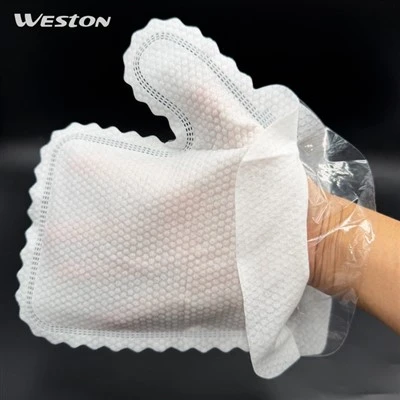
Wipes and swabs: Medical wipes for skin preparation, surface disinfection, and patient hygiene benefit from the soft texture and absorbent properties of nonwovens.
Transdermal drug delivery: Nonwovens serve as carrier materials in drug patches, providing controlled release of medications through the skin.
Tissue engineering: Scaffolds for tissue regeneration represent one of the most advanced applications, where biodegradable nonwovens provide a framework for cell growth and tissue development.
Table: Applications of Non-Woven Fabrics in Healthcare Settings
|
Application Category |
Specific Products |
Key Material Properties |
|
Surgical Protection |
Surgical gowns, drapes, caps |
Fluid resistance, bacterial barrier, breathability |
|
Infection Control |
Isolation gowns, medical masks, shoe covers |
Filtration efficiency, liquid repellency, particle barrier |
|
Wound Care |
Wound dressings, absorbent pads, bandages |
Absorbency, breathability, non-adherent properties |
|
Patient Care |
Bed linens, underpads, patient gowns |
Softness, absorbency, comfort |
|
Medical Devices |
Sterilization wraps, scaffolds, drug delivery systems |
Sterilizability, biocompatibility, dimensional stability |

3. Key Properties and Advantages of Medical Non-Wovens
Medical-grade nonwovens offer a unique combination of properties that make them particularly suitable for healthcare applications. These characteristics have led to their widespread adoption across the global healthcare industry.
3.1 Barrier Performance
The fundamental function of many medical nonwovens is to provide an effective barrier against contaminants while maintaining comfort for the wearer or patient:
Microbial barrier: Medical nonwovens act as effective barriers against bacteria and viruses, significantly reducing the risk of infection transmission. This is crucial in maintaining sterile environments during surgical procedures and wound care.
Liquid resistance: Fluid-resistant nonwovens are essential in preventing the penetration of bodily fluids, particularly in surgical drapes, gowns, and wound dressings where fluid management is critical for hygiene and infection control.
Particle filtration: In respiratory protection equipment like masks, nonwovens provide filtration efficiency against airborne particles. Meltblown nonwovens particularly excel in this function due to their fine fiber structure.
3.2 Comfort and Wearability
Despite their protective qualities, medical nonwovens are designed with user comfort in mind:
Breathability: Many medical nonwoven textiles are engineered to allow air and moisture vapor transmission while still providing an effective barrier. This breathability enhances comfort for healthcare professionals during extended wear and promotes wound healing by preventing maceration.
Softness and drape: Advanced nonwovens offer a soft hand feel and good drape characteristics, making them comfortable against the skin and suitable for use in patient garments and dressings.
Lightweight: Despite their protective capabilities, nonwovens are typically lightweight materials, reducing the burden on healthcare workers who must wear protective apparel for extended periods.
3.3 Functional Performance
Beyond basic barrier properties, medical nonwovens are engineered for specific functional requirements:
Absorbency: In wound care and hygiene products, nonwovens can be designed with high absorbency capacity to manage bodily fluids and exudates effectively. Some advanced materials can absorb up to 400 percent of their own weight in liquid.
Strength and durability: Despite their sometimes disposable nature, medical nonwovens exhibit impressive strength and durability. They can withstand the rigors of medical procedures while maintaining their integrity.
Lint-free: Unlike some woven textiles, nonwovens can be engineered to be virtually lint-free, which is critical in surgical environments where lint particles could contaminate wounds or instruments.
3.4 Manufacturing and Economic Advantages
From a production and operational perspective, nonwovens offer several advantages:
Cost-effectiveness: Compared to traditional textiles, disposable medical nonwovens offer a cost-effective solution for maintaining hygiene and safety in healthcare settings. Their disposability eliminates the need for laundering, reducing costs and environmental impact associated with water, energy, and chemical usage.
Customizability: The manufacturing processes for nonwovens allow for extensive customization in terms of weight, thickness, softness, and functionality to meet specific application requirements.
Sterilization compatibility: Medical nonwovens are engineered to withstand various sterilization methods including autoclaving (steam sterilization), ethylene oxide treatment, and gamma radiation without significant degradation of properties.
4. Material Selection and Technical Innovations
The performance of medical nonwoven fabrics is fundamentally determined by the materials used in their construction and the manufacturing technologies employed. Understanding these aspects is crucial for healthcare professionals and procurement decision-makers.
4.1 Fiber Types Used in Medical Nonwovens
Various fiber materials are utilized in the production of medical nonwovens, each offering distinct advantages:
Polypropylene (PP): This is the most widely used polymer in medical nonwovens due to its low cost, excellent chemical resistance, and ability to be processed into fine fibers. PP is dominant in spunbond and meltblown processes used for surgical gowns, drapes, and masks.
Polyester (PET): Known for its strength and durability, polyester is often used in applications requiring dimensional stability and resistance to stretching. It's commonly found in some surgical gowns and healthcare bedding.
Rayon: This regenerated cellulose fiber offers high absorbency, making it suitable for wound dressings and wipes where fluid management is important.
Cotton: Though less common than synthetics, bleached cotton is used in some nonwoven applications where softness and absorbency are prioritized, particularly in wound care and wiping products.
Specialty fibers: This category includes superabsorbent fibers, bicomponent fibers, and biodegradable polymers that address specific functional requirements in advanced medical applications.
4.2 Nonwoven Manufacturing Processes
The production method significantly influences the structure and properties of the final nonwoven fabric:
Spunbond: This process involves extruding continuous filaments which are then laid into a web and bonded. Spunbond nonwovens offer good strength and are often used as outer layers in composite structures.
Meltblown: In this process, molten polymer is extruded through fine nozzles and attenuated by hot air streams to create extremely fine fibers. Meltblown nonwovens provide excellent filtration properties and are commonly used as the middle filtration layer in surgical masks.
SMS composites: The combination of Spunbond-Meltblown-Spunbond layers creates fabrics that balance strength with barrier properties. SMS fabrics are widely used in high-quality surgical gowns and drapes.
Spunlace: Also known as hydroentanglement, this process uses high-pressure water jets to entangle fibers. Spunlaced nonwovens are characterized by their softness and drape, making them suitable for wound dressings and wipes.
Needlepunch: This mechanical process uses barbed needles to interlock fibers. Needlepunch nonwovens are typically denser and heavier, finding use in insulation pads and certain surgical products.
4.3 Recent Technical Innovations
The medical nonwovens sector continues to evolve with technological advancements that enhance performance and functionality:
Multilayer composites: By combining different nonwoven technologies and materials, manufacturers create engineered fabrics with optimized properties for specific applications. These composite structures can balance barrier protection, comfort, and cost.
Nanofiber nonwovens: Electrospinning technology produces ultra-fine nanofibers that significantly enhance filtration efficiency while maintaining breathability. These advanced materials are finding applications in high-performance respirators and specialized wound dressings.
Biocompatible and biodegradable materials: Growing environmental concerns have driven development of sustainable nonwovens made from polylactic acid (PLA) and other biodegradable polymers. These materials are particularly relevant for single-use medical products that contribute to healthcare waste.
Integrated functionalities: Through advanced finishing techniques and fiber modifications, nonwovens can be endowed with antimicrobial properties, hydrophilic/hydrophobic characteristics, and other specialized functions to meet specific medical requirements.
Table: Common Fiber Types in Medical Nonwovens and Their Properties
|
Fiber Type |
Key Properties |
Typical Applications |
Advantages |
|
Polypropylene |
Hydrophobic, chemical resistant, low cost |
Surgical gowns, drapes, masks |
Excellent barrier properties, cost-effective |
|
Polyester |
Strong, durable, dimensionally stable |
Some surgical gowns, healthcare bedding |
High strength, resistance to stretching |
|
Rayon |
Highly absorbent, soft |
Wound dressings, wipes |
Good fluid management, comfort |
|
Cotton |
Soft, absorbent, biodegradable |
Wipes, some wound care products |
Natural feel, sustainability aspects |
|
Bicomponent |
Customizable properties, thermal bondable |
Specialty composites, filters |
Design flexibility, enhanced functionality |
5. Regulatory Considerations and Quality Standards
The use of nonwovens in medical applications is governed by stringent regulations and quality standards that ensure patient safety and product efficacy. For healthcare organizations and manufacturers, understanding these requirements is essential for compliance and optimal product selection.
5.1 Regulatory Frameworks
Medical devices incorporating nonwoven materials, ranging from Class I devices like simple wound dressings to Class III devices such as implantable scaffolds, must comply with region-specific regulations:
FDA regulations: In the United States, the Food and Drug Administration (FDA) regulates medical devices based on their classification. Nonwoven products intended for medical use must undergo appropriate premarket notifications [510(k)] or premarket approval (PMA) processes unless exempt.
EU Medical Device Regulation (MDR): In the European Union, medical devices must comply with the MDR (EU 2017/745), which emphasizes clinical evidence and post-market surveillance. Products meeting requirements receive CE marking.
Other international regulations: Countries including Japan, China, and Canada have their own regulatory frameworks for medical devices, though there is increasing effort toward harmonization through initiatives like the International Medical Device Regulators Forum (IMDRF).
5.2 Key Standards and Testing Methods
Several standard test methods and specifications apply to medical nonwovens, ensuring they meet performance expectations:
Barrier performance testing: Standards such as ASTM F1670 (resistance to synthetic blood) and ASTM F1671 (resistance to blood-borne pathogens) evaluate the barrier effectiveness of materials used in protective apparel.
Filtration efficiency: For masking materials, standards like NIOSH N95 (U.S.) and EN 149 FFP2 (Europe) define requirements for particle filtration efficiency and breathing resistance.
Physical properties: Tests for tensile strength, tear resistance, air permeability, and liquid absorption help characterize nonwoven materials for specific applications.
Biological compatibility: Following ISO 10993 guidelines, medical nonwovens must undergo biocompatibility testing to ensure they do not cause adverse reactions when in contact with the body.
5.3 Quality Management Systems
Manufacturers of medical nonwovens typically implement quality management systems (QMS) that comply with:
ISO 13485: This international standard specifies requirements for a comprehensive QMS for the design and manufacture of medical devices. Compliance demonstrates a manufacturer's ability to provide products that consistently meet customer and regulatory requirements.
Good Manufacturing Practices (GMP): FDA's Quality System Regulation (21 CFR Part 820) outlines GMP requirements for medical devices, ensuring products are manufactured under controlled conditions and processes.
For healthcare procurement professionals, selecting suppliers with appropriate regulatory certifications and quality management systems is crucial for ensuring product safety and performance.
6. Future Trends and Developments
The medical nonwovens sector continues to evolve, driven by technological advancements, changing healthcare needs, and environmental considerations. Several key trends are shaping the future of this dynamic industry.
6.1 Sustainability and Circular Economy
Growing awareness of the environmental impact of single-use medical products is driving innovation in sustainable solutions:
Biodegradable materials: Development of compostable nonwovens made from polylactic acid (PLA), viscose, and other biodegradable polymers addresses concerns about medical waste accumulation in landfills.
Recyclable designs: While challenging due to contamination concerns, there are efforts to create monomaterial nonwovens that are more easily recyclable than multi-material composites.
Reduced material usage: Through advanced manufacturing techniques and material engineering, manufacturers are developing lighter-weight nonwovens that maintain performance while reducing material consumption.
6.2 Enhanced functionality and Intelligence
The integration of advanced functionalities is expanding the capabilities of medical nonwovens:
· · Antimicrobial technologies: Beyond traditional barrier protection, nonwovens with built-in antimicrobial properties are gaining traction. These include materials incorporating silver ions, copper zeolites, or other antimicrobial agents that actively reduce microbial load
· · Smart nonwovens: Integration of sensors and indicators into nonwoven substrates is creating new possibilities for monitoring wound status, detecting pathogens, or indicating when a protective barrier has been compromised
· · Drug delivery systems: Advanced nonwovens are being developed as platforms for controlled drug delivery in wound care patches and transdermal systems, offering improved treatment outcomes
6.3 Advanced Manufacturing Technologies
Innovations in production processes are enabling new capabilities and efficiencies:
· · Industry 4.0 integration: Implementation of digital technologies, data exchange, and automation in manufacturing is improving quality control and production efficiency while enabling greater customization
· · 3D printing: Additive manufacturing techniques are being adapted to create nonwoven-like structures with precise geometric control, potentially revolutionizing products like tissue engineering scaffolds
· · Advanced finishing techniques: Innovations in surface modification and functional finishing allow for more precise application of properties like hydrophobicity or antimicrobial activity while reducing chemical usage
For healthcare providers and procurement professionals, these advancements promise a future with more effective, sustainable, and cost-efficient nonwoven products that enhance patient care while addressing environmental concerns.
7 Conclusion
Medical non-woven fabrics have become indispensable materials in modern healthcare, offering an unmatched combination of barrier protection, functionality, and cost-effectiveness. From surgical suites to wound care clinics, these advanced materials play a critical role in infection prevention, patient care, and operational efficiency in healthcare settings worldwide.
The continued innovation in nonwoven technologies-including sustainable materials, enhanced functionalities, and smart textiles-promises to further expand their applications and effectiveness in medical settings. For healthcare organizations, manufacturers, and industry professionals, staying informed about these developments is essential for leveraging the full potential of nonwovens to improve patient outcomes while addressing economic and environmental considerations.
As global healthcare challenges evolve and environmental concerns grow, the nonwovens industry will continue to adapt, developing new solutions that meet the changing needs of healthcare providers and patients alike. The future of medical nonwovens lies in balancing performance with sustainability, protection with comfort, and innovation with accessibility-a challenge that the industry is well-positioned to address through continued research, development, and collaboration across the healthcare ecosystem.