Understanding Meltblown Technology
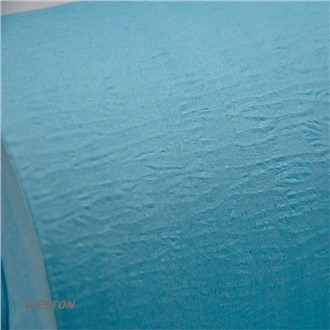
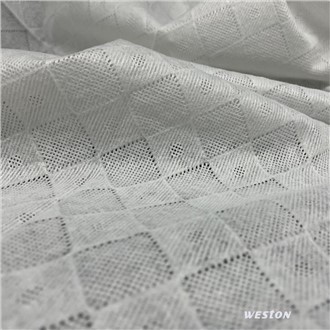
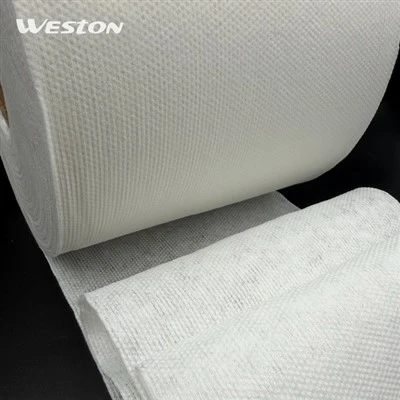
Meltblown filters are essential components in various filtration applications, especially in air and water purification. The technology involves a unique process where thermoplastic polymers, primarily Melt Blown Polypropylene Filter, are extruded and rapidly cooled to form fine fibers. These fibers are subsequently collected and bonded to create a nonwoven fabric, which serves as the filter medium.
Key Characteristics
The fibers produced through meltblown technology exhibit remarkable characteristics such as a small diameter, high surface area, and significant porosity. These features make meltblown filters highly effective in capturing particles, including dust, pollen, and bacteria. The efficiency of a filter largely depends on these characteristics, emphasizing the importance of material selection.

Primary Materials Used
Polypropylene (PP)
The predominant material used in meltblown filters is polypropylene (PP). This thermoplastic polymer is favored for several reasons:
Lightweight: PP is incredibly lightweight, which enhances the usability of filters in various applications.
Cost-Effective: It is one of the most affordable materials available, making it accessible for widespread use.
Filtration Properties: Meltblown Filter Media Material created from PP exhibits excellent filtration efficiency, effectively trapping particles as small as 0.3 microns.
Polyester (PET)
While polypropylene is the most common choice, polyester (PET) is also utilized in certain applications. Its advantages include:
Durability: PET is known for its robustness and can endure harsher environments compared to PP.
Chemical Resistance: It performs well in applications where exposure to chemicals is a concern, making it suitable for industrial uses.
Other Materials
In addition to PP and PET, emerging materials such as nylon and polyethylene are being explored for meltblown filters. These alternatives may offer specialized benefits, such as enhanced flexibility or additional filtration characteristics. The ongoing research into innovative materials holds promise for the future of filtration technology.
Performance Factors
Filtration Efficiency
The choice of material significantly impacts the filtration efficiency of meltblown filters. Filters made from Melt Blown Polypropylene Filter can achieve high particle capture rates, essential for applications in healthcare and industrial settings. Factors influencing efficiency include:
Fiber Diameter: Finer fibers create smaller pores, enhancing the filter's ability to trap smaller particles.
Electrostatic Charge: Some filters are treated to have an electrostatic charge, which helps attract and capture particles more effectively.
Durability and Longevity
Material durability is another critical consideration. Filters made from PP typically have a good lifespan, but their longevity can vary based on application and environmental conditions. Filters used in high-humidity or high-temperature environments may degrade faster. Polyester filters, on the other hand, often exhibit superior durability, making them suitable for more demanding applications.
Environmental Considerations
With increasing awareness of environmental issues, the sustainability of filter materials has become a focal point. While polypropylene is not biodegradable, it is recyclable, which can mitigate environmental impact. The search for more sustainable options is ongoing, with research into biodegradable or reusable materials gaining traction.
Applications of Meltblown Filters
Medical and Health
Meltblown filters play a crucial role in medical applications, particularly in the development of face masks and personal protective equipment (PPE). Their ability to filter out harmful particles makes them essential in preventing the spread of infections. The use of Meltblown Filter Media Material in these products has become increasingly vital during health crises.
Industrial and Commercial
In industrial settings, meltblown filters are employed in air and water purification systems. Their efficient filtration capabilities help maintain clean environments, protecting both machinery and human health. Additionally, they are used in various commercial products, including HVAC systems, ensuring that air quality is kept at optimal levels.
Consumer Products
Beyond industrial and medical uses, meltblown filters are integrated into everyday consumer products. They can be found in home air purifiers, vacuum cleaners, and other filtration systems, providing families with cleaner air and contributing to overall well-being.
Future Trends and Innovations
Nanotechnology in Filters
The future of meltblown filters is likely to be shaped by advancements in nanotechnology. Researchers are exploring the use of nanofibers to enhance filtration efficiency further. These ultra-fine fibers can create filters that not only trap smaller particles but also reduce airflow resistance, making them more efficient.
Smart Filters
The integration of smart technology into filtration systems is another exciting trend. Smart filters equipped with sensors can monitor air quality and filter performance in real-time, providing users with valuable data and alerts when maintenance is needed. This innovation could revolutionize how we approach air and water purification.
Call to Action
As we continue to learn about the materials and technologies behind meltblown filters, it's essential to consider their impact on health and the environment. By understanding the significance of Melt Blown Polypropylene Filter and other materials, we can make informed choices that contribute to a healthier and more sustainable future. For those interested in exploring these materials further or seeking free sample options, please reach out at info@westonmanufacturing.com.