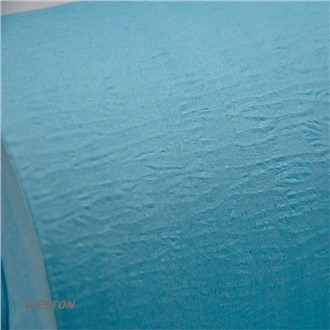
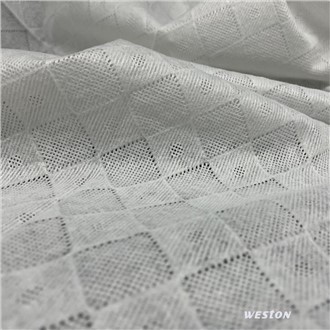
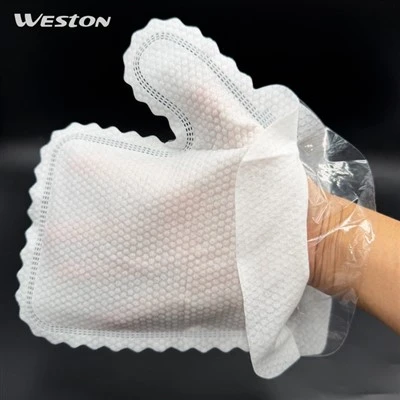
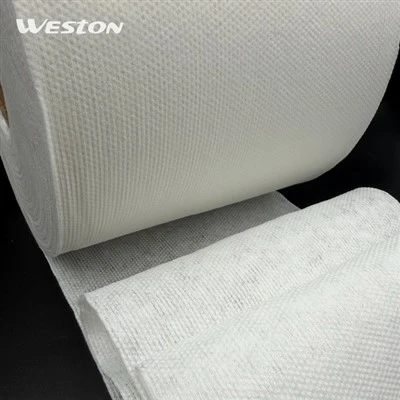
Nonwoven fabric is not a woven cloth; it is a class of materials formed by bonding or fusing fibers into a sheet-like structure without weaving. Its defining features-designable porosity, tunable thickness, and flexible processing-enable a broad spectrum of applications that span consumer goods, healthcare, industrial filtration, and environmental services. The fabric's versatility comes from controlling fiber type, bonding method, and finishing treatments, which together determine strength, absorbency, barrier properties, and tactile feel. To understand its uses, we examine structure, processing, application domains, and design trade-offs.
Structure and Processing Foundations
Nonwoven fabrics arise from three principal formation methods: disordered fiber web consolidation, mechanical or thermal bonding of short fibers, and long-fiber web bonding. These methods yield distinct pore structures, surface textures, and mechanical properties. Fiber diameter, porosity, and pore connectivity govern permeability, filtration efficiency, and liquid uptake. Surface treatments, such as hydrophobic or hydrophilic coatings and plasma-based grafting, further tailor interactions with liquids, air, and skin.
Safety, Health, and Disposable Products
Nonwoven fabrics excel in hygiene and medical markets because they can deliver sterile barriers, controlled particle shedding, and skin-friendly surfaces. The science hinges on regulating pore size distributions to capture pathogens while maintaining breathability, and on minimizing residual chemicals that could irritate mucous membranes. In medical contexts, single-use disposables benefit from predictable performance, reduced cross-contamination risk, and straightforward disposal pathways when paired with appropriate waste management practices. Material safety data sheets and standardized testing-such as barrier integrity, biocompatibility, and fluid control-guide appropriate material selection for each application.
Industrial, Environmental, and Energy Applications
Beyond healthcare, nonwovens serve in filtration, separation, and barrier roles across multiple industries. Their porous networks can trap particulates, separate oil from water, or act as supporting substrates for coatings and membranes. In environmental cleanup, nonwovens provide absorbent layers for oil spill response and stormwater filtration. In energy infrastructure, they form protective layers, filtration media, and drainage components that contribute to reliability and efficiency. The core design question remains how to balance barrier performance, mechanical strength, and production costs through layering, fiber choice, and bonding strategies.
Performance-Design Trade-Offs
Nonwoven design frequently involves navigating competing performance criteria:
Breathability vs. Barrier Protection: A highly porous structure offers airflow and comfort but may compromise liquid or particle barriers. Layered designs and selective surface treatments help reconcile these needs.
Absorption Rate vs. Retention Capacity: Quick uptake is advantageous for personal care products, yet the material must hold liquids under use. Multi-layer stacks and optimized capillary pathways address this balance.
Strength vs. Softness: High tensile strength can come at the expense of hand feel. Fiber selection and web bonding methods influence stiffness and tactile quality.
Cost vs. Durability: Performance gains through advanced fibers or surface chemistries may raise material costs. Process optimization and modular designs help achieve targeted outcomes economically.

Future Directions and Innovation
Emerging trends aim to elevate functionality while improving sustainability. Nano-scale fillers and electrospinning enable finer filtration and enhanced barrier properties without sacrificing breathability. Bio-based and compostable polymers reduce end-of-life environmental impact. Digital design tools, automated manufacturing, and real-time quality control enhance consistency across large production runs. Comprehensive life-cycle assessments guide material choices toward lower emissions and higher recyclability, aligning performance with environmental responsibility.
Weston Nonwoven's Positioning and Customizable Solutions
Weston Nonwoven translates material science into practical engineering solutions. Through deliberate fiber selection, bonding strategies, and finish treatments, Weston Nonwoven delivers stable, repeatable performance for medical, consumer, and industrial formats. The company's capabilities include tailoring structures and surface properties to match specific brand applications, ensuring that performance aligns with defined use environments and regulatory expectations.
Examples of Customizable Product Directions Available from Weston Nonwoven
Spunlace Nonwoven Wipes for Beauty Salons
Moisturizing Lyocell Spunlace Mask
Pulp and Polyester Surgical Gowns
PP Nonwoven Material for Seedling Trays and Pots
These exemplars illustrate how material choice, bond mechanics, and surface engineering can be coordinated to meet brand-driven functionality in cosmetics, healthcare, and horticulture. Customization enables products to target specific tactile experiences, barrier requirements, and environmental considerations while maintaining manufacturability and supply chain reliability.
Practical Guidance for Decision-Makers
Define Target Performance: Identify the priority combination of barrier properties, absorption, softness, and biodegradability for the intended use.
Choose Compatible Structures: Determine whether a single-layer or multi-layer stack best delivers the required balance of properties.
Assess End-of-Life Implications: Consider recyclability, compostability, or safe disposal within the operating region's waste framework.
Plan for Testing and Validation: Establish a testing plan that covers strength, permeability, biocompatibility, chemical resistance, and user safety.
What Nonwoven Fabrics Enable Us to Achieve
Nonwoven fabrics stand as a bridge between rigid engineering materials and everyday textiles. Their adaptability makes possible everything from hygiene products that protect public health to filtration media that safeguard industrial processes. By embracing principled design-anchoring every choice in fiber chemistry, deposition methods, and surface science-developers can push the boundaries of performance while maintaining safety, affordability, and environmental stewardship.