What Is the Strongest Material for Wet Wipes?
The short answer is this: polyester-reinforced spunlace nonwoven material is currently one of the strongest and most reliable structures used in modern wet wipes.
Not because it is the thickest.
Not because it feels luxurious.
And not because of marketing language on the package.
It performs well because the fiber structure stays stable even after absorbing large amounts of liquid. That stability matters more than most consumers realize.
Today, most high-performance Spunlace-for-wet-wipes products are engineered around a careful balance of:
- polyester for strength
- viscose or cellulose for softness
- hydroentanglement technology for durability
That combination quietly became the backbone of the global wet wipe industry.
But strength in wet wipes is more complicated than people think.

Most Wet Wipes Do Not Fail When Dry
Almost every wipe feels acceptable before it gets wet.
The real test begins after saturation.
Wet wipes spend months sitting inside liquid formulas containing:
- purified water
- skincare ingredients
- alcohol
- disinfectants
- cleaning chemicals
Once moisture fully enters the fiber structure, weaker materials begin losing integrity fast.
This is why low-quality wipes often:
- stretch unevenly
- tear during use
- leave lint behind
- become fuzzy after rubbing
- separate under pressure
True durability depends on wet strength, not dry appearance.
That difference is exactly why advanced spunlace nonwoven materials became so important in wipe manufacturing.
Why Spunlace Technology Became the Industry Standard
The modern wipe industry changed dramatically after the rise of Spunlace-for-wet-wipes technology.
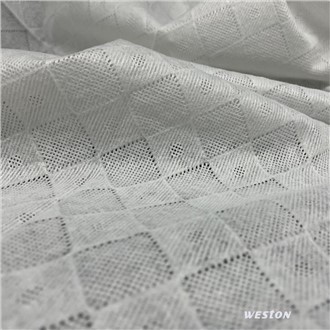
Spunlace, also called hydroentanglement, uses high-pressure water jets to lock fibers together mechanically.
Unlike older methods that rely heavily on glue or chemical bonding, spunlace fabric forms a more flexible and durable fiber network.
The result is a material that can stay:
- soft
- breathable
- absorbent
- structurally stable
-even after heavy saturation.
That balance is difficult to achieve with traditional nonwoven methods.
This is why spunlace materials are now widely used in:
- baby wipes
- cosmetic wipes
- disinfecting wipes
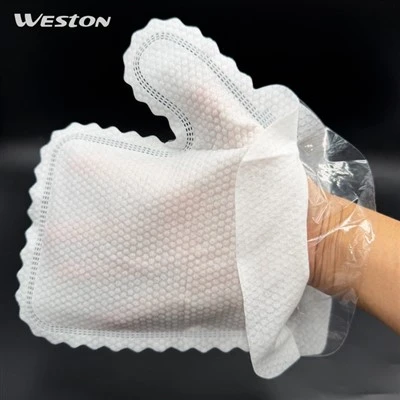
- household cleaning wipes
- industrial wipes
The technology works because it focuses on structure, not surface appearance.
Polyester Is Quietly the Strength Leader
Many consumers assume cotton is the strongest wipe material because it feels natural and thick.
But in wet environments, cotton alone has limitations.
After absorbing moisture, cotton fibers can weaken under repeated friction. The surface may begin pilling or breaking apart faster than engineered synthetic blends.
Polyester behaves very differently.
Polyester fibers offer:
- high wet tensile strength
- strong tear resistance
- low lint generation
- stable structure under stress
That is why polyester often becomes the hidden reinforcement layer inside high-strength spunlace nonwoven products.
Especially in industrial and disinfecting wipes, polyester plays a critical role in maintaining durability during aggressive cleaning.
At the same time, too much polyester can reduce softness and raise environmental concerns.
So modern manufacturers rarely rely on polyester alone.

Why Blended Materials Usually Perform Better
The strongest wipes are usually blended structures rather than single-fiber materials.
Modern Spunlace-for-wet-wipes engineering combines different fibers to balance performance:
polyester adds strength
viscose improves softness
wood pulp increases absorbency
lyocell supports smoother texture and sustainability
This approach creates a more stable and versatile material.
For example:
baby wipes prioritize comfort and skin feel
industrial wipes prioritize abrasion resistance
cosmetic wipes require smooth low-lint surfaces
disinfecting wipes need strong wet integrity
Different applications demand different fiber strategies.
A professional spunlace nonwoven distributor understands that there is no universal "best" fabric. Performance depends entirely on the real use environment.
The Industry Is Moving Toward Smarter Strength
For years, the market chased maximum thickness.
Now manufacturers are chasing something more intelligent:
- lighter weight
- stronger structure
- lower plastic usage
- better sustainability
- improved efficiency
That shift pushed the development of newer cellulose fibers like lyocell.
Compared with traditional rayon, lyocell offers:
- stronger fiber integrity
- smoother surfaces
- better wet performance
- improved environmental positioning
Still, every material involves compromise.
Some ultra-soft materials sacrifice strength.
Some ultra-strong materials sacrifice biodegradability.
The future of spunlace nonwoven manufacturing is not about finding a miracle fiber.
It is about engineering smarter balance.
Surface Texture Also Changes Strength
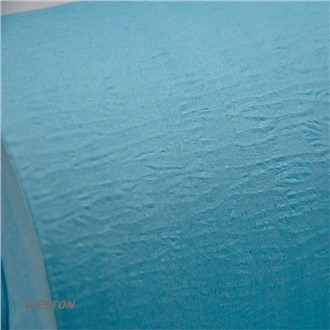
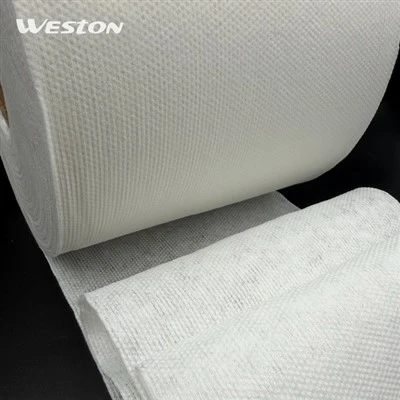
One detail many people overlook is embossing.
The texture on a wipe is not just decorative.
Embossing affects:
friction behavior
liquid distribution
cleaning performance
stress distribution
tear resistance
A poor embossing design can weaken the material structure.
A well-engineered pattern can actually improve durability while helping the wipe clean more effectively.
That is why advanced nonwoven factories focus heavily on:
- fiber orientation
- embossing geometry
- entanglement density
- basis weight control
Small adjustments in structure can dramatically change wipe performance.
Why Manufacturing Quality Matters More Than Marketing
As global wipe standards rise, brands increasingly care about consistency rather than exaggerated claims.
Reliable wipe production requires:
stable raw materials
advanced hydroentanglement systems
uniform fiber distribution
controlled cleanliness
scalable manufacturing precision
This is where experienced manufacturers like Weston Nonwoven become valuable industry partners.
As a factory specializing in high-quality Spunlace-for-wet-wipes materials, Weston Nonwoven focuses on balancing:
wet strength
softness
embossing quality
converting stability
surface uniformity
For buyers searching for a dependable spunlace nonwoven distributor, long-term material consistency often matters far more than short-term pricing advantages.
Because weak fabric performance eventually becomes a customer complaint.
And customers notice immediately when a wipe falls apart too early.
So, What Is the Strongest Material for Wet Wipes?
The practical answer remains clear.
Polyester-reinforced spunlace nonwoven materials currently offer some of the best wet-strength performance available in large-scale wipe manufacturing.
But the deeper truth is even more important.
The strongest wipe is rarely built from one perfect ingredient.
It comes from:
- intelligent fiber blending
- advanced hydroentanglement
- balanced absorbency
- controlled softness
- engineered structural stability
That is why Spunlace-for-wet-wipes technology continues leading the industry worldwide.
Not because it sounds advanced.
Because it survives real use conditions quietly, consistently, and without excuses.