The Hidden World Beneath Our Feet
Every day, our floors become the silent repository of countless contaminants-from microscopic bacteria and viruses to allergens and chemical residues. While often appearing clean to the naked eye, floors can harbor significant health hazards if not properly maintained. The concept of hygienic cleaning transcends mere visual cleanliness, encompassing the elimination of pathogenic microorganisms and the reduction of harmful particles to minimize health risks.
The science of floor hygiene involves understanding the complex interaction between cleaning methods, materials, and microorganisms. Research has demonstrated that improper cleaning techniques can actually spread contaminants rather than remove them, creating an illusion of cleanliness while compromising actual hygiene. Thus, selecting the most hygienic approach requires evidence-based understanding rather than traditional assumptions.

Evaluating Cleaning Methods: Beyond Surface-Level Shine
The Water Dilemma: Moisture and Microbial Growth
Many conventional cleaning methods rely on excessive water, creating unintended consequences. While damp cleaning is essential for capturing and removing particles, oversaturation presents particular problems for porous surfaces like wood flooring. Excessive moisture can seep into seams and cracks, promoting mold growth and bacterial proliferation beneath the surface level. For wood floors, it's recommended to use a well-wrung mop or damp cloth to avoid water penetration that could cause warping or swelling.
The temperature of cleaning water also plays a crucial role in hygiene. Hot water (approximately 140-160°F) effectively dissolves greasy residues and kills many pathogens without chemicals. However, water that's too hot can accelerate chemical breakdown in cleaning solutions and leave behind sticky residues that attract new soil.
Chemical Considerations: Disinfection vs. Resistance
The widespread use of antimicrobial chemicals has sparked scientific debate regarding efficacy versus potential resistance development. While certain situations necessitate disinfectants, routine home cleaning often requires simpler approaches. Studies suggest that overuse of antibacterial products may contribute to resistant strains of bacteria, creating superbugs that are harder to eliminate.
Proper dilution is critical for both effectiveness and safety. Over-concentrated solutions leave chemical residues that accumulate dirt and can irritate skin and respiratory systems, while under-diluted products prove ineffective. Neutral pH cleaners generally offer the safest option for most flooring materials, effectively removing dirt without damaging finishes or leaving sticky residues that attract new soil.
Mechanical Action: The Underestimated Hero
Physical removal of contaminants represents the most overlooked aspect of hygienic cleaning. Microfiber technology demonstrates this principle effectively-the split fibers create electrostatic attraction that lifts and traps particles rather than pushing them around. Studies have shown that high-quality microfiber cloths can remove up to 99% of bacteria from surfaces using just water, compared to significantly lower percentages with traditional cotton cloths.
The mechanical action of cleaning-whether scrubbing, wiping, or vacuuming-must be sufficient to break the adhesion between particles and surface without causing damage. This balance varies significantly across different flooring types, requiring tailored approaches for optimal hygiene.
Material Science in Cleaning Tools: The Unseen Difference
Nonwoven vs. Knitted Textiles: A Hygienic Perspective
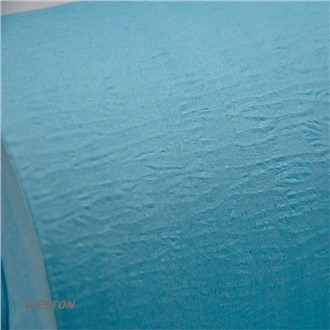
The distinction between nonwoven and knitted fabrics represents a critical division in cleaning tool efficacy. Nonwoven materials like those used in Nonwoven Embossed Floor Mop Cloths are engineered through thermal, chemical, or mechanical processes that bond fibers together, creating highly absorbent materials ideal for liquid absorption and particle capture. These products typically offer superior absorbency but may release more fibers themselves, potentially compromising cleanliness in critical environments.
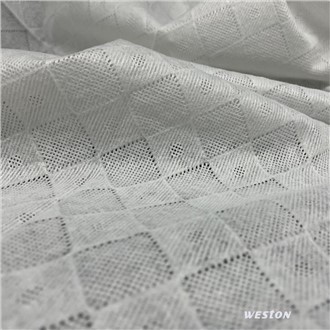
Conversely, knitted fabrics consist of interlocking loops of yarn, typically providing lower particle release and greater durability. These materials often withstand multiple wash cycles while maintaining their cleaning properties, making them valuable for long-term use despite a higher initial investment.
Natural Fibers: Renewable Solutions with Hygienic Benefits
The development of Compostable Bamboo Fiber Spunlace For Home Use represents innovation in sustainable cleaning materials. Bamboo possesses natural antibacterial properties and offers exceptional sustainability credentials. The spunlacing process hydraulically entangles fibers without chemical binders, creating cloths free from chemical residues that might compromise cleanliness. These materials break down completely after use, preventing the environmental burden of synthetic alternatives.
Specialized Applications: From Dust Control to Pet Care
The Microfiber Dusting Mitt exemplifies specialized tool design for enhanced hygiene. The mitt format enables access to difficult areas while trapping particles within its fibrous matrix rather than redistributing them. This approach proves particularly valuable for allergy sufferers as it captures and retains allergens rather than stirring them into the air.
For households with animals, Odor-Control Pet Cleaning Wipes address the specific challenge of organic residues that standard cleaners often miss. These specialized formulations typically contain enzymes that break down organic matter at the molecular level, eliminating food sources for odor-producing bacteria rather than merely masking scents with perfumes.
Floor-Specific Hygiene Protocols
Hardwood Flooring: Preserving Beauty While Maintaining Safety
Wood floors require particular care as improper cleaning can cause irreversible damage while compromising hygiene. The protective finish represents the first line of defense-once compromised, moisture penetrates the wood, creating breeding grounds for mold and bacteria. The recommended approach involves:
Daily dry cleaning with electrostatic dusters or microfiber mops to remove abrasive particles.
Damp mopping with well-wrung mops using pH-balanced cleaners specifically formulated for wood.
Immediate spill cleanup to prevent moisture penetration.
Regular inspection for finish damage with prompt repair when needed.
The misconception that water equals cleanliness proves particularly dangerous for wood floors, where excessive moisture causes warping, cupping, and microbial growth beneath planks.

Tile and Grout: Addressing the Microbial Hotspots
Grout lines represent the highest risk areas in tile flooring-their porosity and texture create ideal conditions for microbial colonization. Effective hygiene requires:
Mechanical scrubbing to remove biofilm from grout lines.
Alkaline cleaners for organic soils and acidic formulas for mineral deposits.
Steam cleaning as periodic deep treatment to penetrate porous surfaces without chemicals.
Sealing grout after cleaning to prevent future contamination.
The mechanical action of cleaning proves particularly crucial for tile surfaces, where texture traps soil and microorganisms. Ultrasonic cleaning systems have emerged as effective solutions for commercial settings, using high-frequency sound waves to agitate particles free from surfaces without abrasive scrubbing.
Luxury Vinyl and Resilient Flooring: Modern Materials, Modern Methods
Luxury vinyl plank (LVP) and sheet goods offer waterproof surfaces but present unique cleaning challenges. Despite surface impermeability, moisture can penetrate through seams and edges, potentially compromising subfloors. Recommended protocols include:
Avoiding abrasive scrubbers that can damage protective wear layers.
Using pH-neutral cleaners to prevent degradation of vinyl compounds.
Immediate moisture removal despite surface waterproofing claims.
Avoiding oil-based cleaners that can leave residues causing dullness.
The durability of modern resilient flooring often leads to overconfidence in cleaning aggression, but harsh methods can actually compromise the protective layers that maintain both appearance and hygiene.
The Hygiene Ecosystem: Beyond the Mop Bucket
Air Quality and Floor Hygiene Interconnection
Floor cleaning inevitably affects indoor air quality-either positively through allergen removal or negatively through particle redistribution. Studies demonstrate that improper cleaning methods can increase airborne particulate levels by 200-500% during cleaning and for several hours afterward. Effective strategies to prevent this include:
Using microfiltration vacuums that trap particles rather than exhausting them back into the air.
Employing damp-wiping methods that capture rather than redistribute particles.
Scheduling floor cleaning when occupants are least likely to be present.
Maintaining HVAC filters to capture airborne particles stirred during cleaning.
The relationship between floors and air quality represents an often-overlooked aspect of overall environmental hygiene, particularly important for vulnerable populations like asthmatics and allergy sufferers.
The Drying Paradox: When Moisture Becomes a Liability
Many hygienic cleaning processes introduce moisture, creating a critical post-cleaning phase where improper drying can negate cleaning benefits. Damp environments following cleaning provide ideal conditions for microbial proliferation, essentially "recontaminating" surfaces after they've been cleaned. Effective drying strategies include:
Increasing air circulation during and after cleaning.
Controlling ambient humidity to accelerate evaporation.
Using absorbent materials to remove excess moisture.
Timing cleaning activities to allow adequate drying before room reuse.
The science of drying represents an emerging focus in cleaning hygiene, with particular relevance in healthcare settings where moisture control proves critical to infection prevention.
Technological Innovations in Floor Hygiene
Electrochemical Activation Water: The Future of Disinfection?
Electrolyzed water systems represent a promising development in hygienic cleaning-using salt and electricity to create effective cleaning and disinfecting solutions on demand. The process produces two solutions: alkaline water for cleaning and acidic water for disinfection. This technology offers:
Effectiveness against pathogens without chemical residues.
On-demand production eliminating packaging waste.
Reduced allergic reactions and chemical sensitivities.
Cost efficiency over commercial chemical alternatives.
While initially limited to institutional settings, home-scale units are emerging that bring this technology to residential applications.
Robotics and Automation: Consistency in Hygiene Maintenance
Robotic cleaning systems offer particular hygienic advantages through consistency and frequency beyond human capability. Advanced sensors enable methodical coverage patterns that avoid cross-contamination between areas. The sealed construction of high-end robotic cleaners prevents redistribution of particles back into the environment-a significant advantage over traditional vacuum cleaners that can leak microparticles through poor filtration.
Implementing Science-Based Home Cleaning Protocols
The Hierarchy of Cleaning: Method Before Products
Effective hygiene begins with methodology rather than product selection. The recommended sequence for optimal floor hygiene includes:
Dry removal of loose particles through sweeping, dusting, or vacuuming.
Pre-treatment of stained or soiled areas with appropriate cleaners.
Mechanical action suited to floor type and soil load.
Extraction or removal of cleaning solution and suspended soils.
Drying through controlled evaporation.
This systematic approach prevents pushing dirty solutions across surfaces and redepositing soils-common errors in hurried cleaning routines.
Frequency and Trigger-Based Cleaning: Intelligent Scheduling
Rather than arbitrary scheduling, science-based cleaning responds to actual need triggers:
Visual soil detection indicating surface contamination.
Foot traffic patterns concentrating soil in specific areas.
Seasonal changes introducing particular contaminants.
Illness events requiring enhanced disinfection protocols.
This responsive approach proves more efficient and effective than calendar-based scheduling, focusing effort where and when needed most.
Sustainable Hygiene: The Long View on Healthy Floors
The most hygienic approach must also be sustainable-environmentally harmful practices ultimately compromise public health broadly. Effective strategies include:
Concentrated formulas reducing packaging and transportation impacts.
Reusable tools with demonstrated durability.
Biodegradable formulations that break down safely after disposal.
Water-efficient methods that minimize usage while maintaining efficacy.
The integration of effective hygiene with environmental responsibility represents the future of cleaning science-addressing immediate health concerns without creating long-term consequences.
Material Innovations: Weston Nonwoven's Contributions
The development of advanced Nonwoven Embossed Floor Mop Cloths represents significant progress in cleaning technology. These textiles combine the absorbency of nonwoven materials with textured surfaces that increase mechanical action against soils. The embossing process creates patterned surfaces that scrub without damaging finishes, proving particularly effective on resilient flooring types.
For environmentally conscious consumers, Compostable Bamboo Fiber Spunlace For Home Use offers a renewable alternative to petroleum-based products. These cloths provide the cleaning performance of synthetic materials while breaking down completely after disposal. The natural properties of bamboo include inherent resistance to microbial growth, preventing odor development in used cloths before washing.
The Microfiber Dusting Mitt design represents ergonomic innovation in cleaning tools, enabling users to reach under furniture and into corners where dust accumulates undisturbed. The electrostatic properties of microfiber attract and hold particles rather than dispersing them into the air.
For pet owners, Odor-Control Pet Cleaning Wipes address specific challenges of organic residues that conventional cleaners often spread rather than remove. These specialized formulations target the molecular sources of odors rather than masking them with perfumes.
Those interested in evaluating these advanced cleaning materials may inquire about availability at info@westonmanufacturing.com.
The Path Forward: Integrating Knowledge and Practice

The most hygienic approach to floor cleaning emerges not from any single product or method, but from a systematic understanding of contamination mechanisms and removal strategies. Evidence-based cleaning combines:
Appropriate materials matched to specific flooring types.
Scientific principles of chemistry, microbiology, and physics.
Consistent methodology that prevents cross-contamination.
Informed scheduling based on need rather than habit.
This integrated approach transforms floor cleaning from a routine chore to a science-based practice-one that genuinely contributes to healthier indoor environments rather than merely creating the appearance of cleanliness.
The continuous evolution of cleaning science promises further innovations in materials, methods, and technologies that will enhance our ability to maintain hygienic floors with decreasing environmental impact. This progress represents not merely commercial advancement but an important contribution to public health-particularly for vulnerable populations who spend significant time indoors where floor hygiene directly impacts their wellbeing.