Floor wipes have surged in popularity as a convenient alternative to traditional mopping methods. But do they truly deliver on cleaning performance, hygiene, and environmental responsibility? This science-based overview examines the mechanics, materials, and real-world efficacy of floor wipes, assessing their advantages and limitations from multiple technical perspectives.
Understanding the Science of Surface Cleaning
Effective floor cleaning hinges on removing particulate matter, oils, and microbial contaminants without damaging the substrate. Conventional mops and buckets rely on gravity, mechanical agitation, and chemical solutions to loosen debris, then rinse it away. In contrast, floor wipes integrate sorptive materials and surface-active technologies to trap soil and bacteria. Key scientific factors include:
Surface energy and adhesion: Low-surface-energy soils (e.g., skin oils, cooking fats) resist water alone; surfactants in wipe formulations reduce interfacial tension, promoting emulsion and pickup.
Capillary action and absorbency: Nonwoven substrates engineered with hydrophilic fibers guide liquid and dissolved soil into internal capillaries, preventing re-release when the wipe is lifted.
Mechanical entrapment: Embossing patterns and fiber entanglements create micro-cavities that capture particulates down to sub-micron levels.
Antimicrobial efficacy: Some wipes incorporate quaternary ammonium compounds or other biocides to reduce bacterial load, though efficacy depends on contact time and surface compatibility.
By leveraging these mechanisms, well-designed floor wipes can match or even exceed traditional mopping in targeted scenarios, particularly spot cleaning and high-traffic zones.
Material Innovations: From Fibers to Functional Textiles

The core of a high-performance floor wipe lies in its substrate. Advances in nonwoven technology have yielded specialized fabrics tailored to cleaning demands:
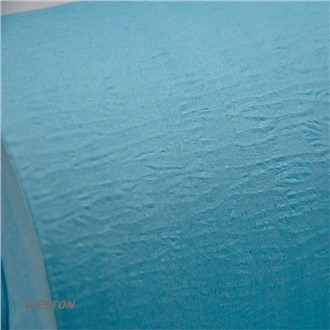
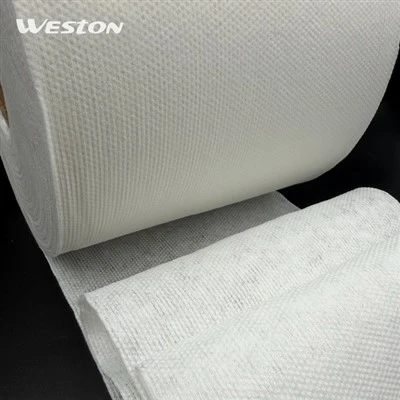
Spunlace Nonwovens: Manufactured by entangling fibers with high-pressure waterjets, spunlace substrates combine softness, strength, and absorbency. This process avoids chemical binders, preserving fiber integrity and porosity.
Fiber composition: Blends of polyester for strength and cellulose for absorbency create a balanced fabric. Polyester resists tearing when wet, while cellulose quickly soaks up spills.
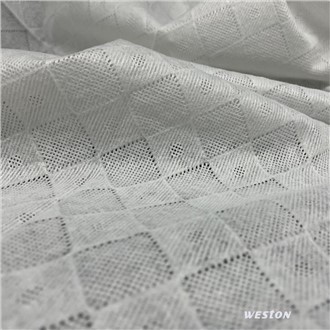
Surface embossing: Embossed patterns such as 3D grids or wide-louver structures enhance particulate capture by increasing surface area and creating micro-channels.
Leading examples include 100% Polyester Static Embossed Spunlace Floor Wipes, engineered to generate electrostatic attraction for fine dust and hair, and Embossed Spunlace Floor Cloths With Wide-Louver Pattern, which trap larger debris effectively.
Performance Advantages of Floor Wipes
Convenience and Speed
No bucket or mop setup streamlines cleaning, making spot treatments and quick touch-ups exceedingly efficient.
Single-use format reduces cross-contamination by discarding soil and microbes with the wipe.
Targeted Cleaning Efficacy
Localized stains-wine spills, pet accidents, or grease spots-respond faster to a surfactant-loaded wipe than to full-floor mopping.
High-traffic zones (entryways, kitchens) benefit from frequent wipe-downs without the drying time required of wet mops.
Dry Dusting and Pet Hair Control
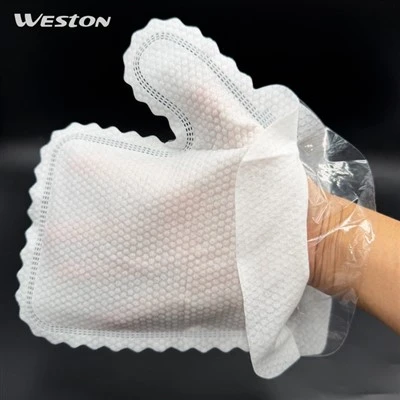
Specialized dry wipes leverage electrostatic charges and fine embossing to attract airborne dust and pet hair. Products such as Pet Hair Removal Mop Cloth Nonwoven excel at capturing fur without scattering.
Enhanced Odor Management and Scent
Scented formulations add a layer of freshness. While not a substitute for deep cleaning, Daily Use Scented Sweeping Pads offer subtle fragrance release, masking residual odors.
Versatility Across Surfaces
From sealed hardwood and laminate to tile and linoleum, modern nonwoven wipes maintain compatibility without scratching or streaking.
Damp use enhances microbial reduction; wipes infused with mild biocides can achieve up to 99% bacteria kill on contact when used per guidelines.
Limitations and Considerations
Environmental Impact
Single-use wipes contribute to solid waste; biodegradability varies with fiber and chemical composition. Consumers should seek biodegradable or compostable options when possible.
Excessive surfactants can enter wastewater; choosing low-impact formulations mitigates ecological harm.
Cost Efficiency
Per-wipe cost may exceed the amortized expense of a reusable mop and launderable pads for large-scale floor cleaning. Strategic deployment in high-value areas is recommended.
Mechanical vs. Chemical Cleaning
Wipes excel at removing soluble soils and light grime but cannot replace the mechanical scouring action of traditional mops or scrubbers on heavily soiled floors.
Antimicrobial wipes require proper dwell time; rapid wipe-off may limit biocide efficacy.
Supply Chain and Storage
Bulk purchases require adequate storage; retaining product freshness and preventing microbial growth in packs is crucial.
Integrating Floor Wipes into Cleaning Protocols
A hybrid cleaning regimen harnesses the strengths of both wipes and mops:
Daily spot maintenance with floor wipes in entry zones and kitchens controls soil build-up.
Weekly deep mopping addresses adhered grime and residue beyond wipe capability.
Targeted antimicrobial wipes on touchpoints (stair rails, thresholds) bolster hygiene.
Facilities managers and homeowners can optimize labor and materials by designating floor wipes for rapid response and reserving mopping for scheduled intensive cleaning.

User Experience and Ergonomics
Ease of use extends beyond formulation:
Ergonomic packaging (pop-top tubs, pull-out packs) streamlines dispense.
Wipe dimensions (e.g., 28 × 20 cm) balance coverage with maneuverability.
Compatibility with flat-mop frames allows seamless integration into existing cleaning carts.
Innovative products like Embossed Spunlace Floor Cloths With Wide-Louver Pattern are offered in sheets sized for standard mop heads, reducing product waste.
Weston Nonwoven's Contribution to Floor Wipe Innovation
Weston Nonwoven has long pioneered spunlace nonwoven technologies to meet evolving cleaning challenges. In addition to their flagship Floor Cleaning Wipes, Weston's portfolio includes specialized substrates such as 100% Polyester Static Embossed Spunlace Floor Wipes for dust control, Pet Hair Removal Mop Cloth Nonwoven, Daily Use Scented Sweeping Pads, and Embossed Spunlace Floor Cloths With Wide-Louver Pattern. These products exemplify Weston's commitment to:
Material science innovation
Customizable formulations and formats
Seamless adoption in both household and professional environments
For a free sample, contact info@westonmanufacturing.com.
Future Directions in Floor Wipe Technology
Research continues into greener binders, nanofiber enhancements, and smart substrates:
Biodegradable binder systems could create fully compostable wipes with minimal environmental impact.
Incorporating antimicrobial nanoparticles (e.g., silver, copper) may yield longer-lasting hygiene benefits.
Sensor-embedded wipes could indicate cleanliness thresholds by color change, guiding cleaning frequency with real-time feedback.
People Also Ask
Q1: Are floor wipes as hygienic as traditional mopping?
A1: Floor wipes can be equally hygienic for surface-level soil and microbes if they contain effective surfactants and biocides. However, deep-embedded grime may require mechanical scrubbing.
Q2: Do floor wipes damage wood or laminate floors?
A2: High-quality nonwoven wipes are engineered to be scratch-free. Products like Embossed Spunlace Floor Cloths With Wide-Louver Pattern use soft fiber blends and controlled moisture release to protect delicate finishes.
Q3: How should biodegradable floor wipes be disposed of?
A3: Compostable wipes can be placed in appropriate organic waste bins. Non-biodegradable wipes should follow local solid waste regulations to prevent sewer blockages.
Q4: Can floor wipes replace mopping entirely?
A4: For light-duty, spot, and daily maintenance, wipes are sufficient. Periodic deep mopping remains essential for comprehensive soil removal in high-traffic or industrial settings.
Q5: Which floor wipe formats offer the best value?
A5: Efficiency depends on use case. Scented sheets like Daily Use Scented Sweeping Pads add freshness during frequent touch-ups, while heavy-duty formats such as 100% Polyester Static Embossed Spunlace Floor Wipes excel in dust control.