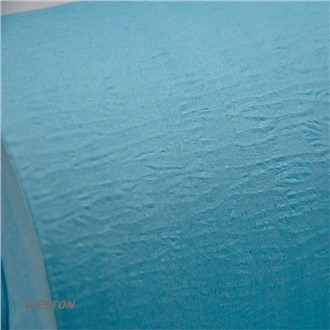
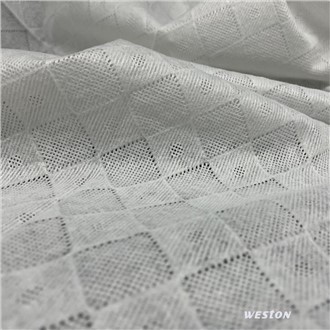
Why Viscose Spunlace Nonwoven Fabric Takes Center Stage in 2025
In 2025, as global awareness of textile sustainability hits an all-time high, viscose spunlace nonwoven fabric has emerged as a standout material-thanks to its unique combination of eco-friendliness and functionality. At its core, it's made by tangling viscose fibers with high-pressure water jets (no glue or stitching required), a process that aligns perfectly with 2025's push for low-waste, low-chemical production. For anyone from shoppers choosing daily essentials to professionals exploring textile options, grasping what this fabric offers is key to keeping up with 2025's greener lifestyle and industry trends.
The Basics: Defining Viscose Spunlace's 2025 Identity
Raw Materials: 2025's Sustainable Viscose Shift
Gone are the days of viscose production relying on resource-heavy or chemical-laden processes. In 2025, manufacturers like Weston Nonwoven source wood pulp from responsibly managed forests, slashing the use of harsh solvents. This not only reduces the fabric's environmental footprint but also makes it safer for direct skin contact-critical for products like baby wipes or medical dressings.
The Spunlace Process: 2025's Energy-Efficient Upgrade
The "magic" of this fabric lies in its production: first, a loose web of viscose fibers is formed; then, high-pressure water jets (now upgraded with 2025's energy-saving tech) weave the fibers together into a strong, soft sheet. This year's equipment uses 15% less water and power than 2020 models, making the fabric even more sustainable without sacrificing quality.
Key Traits for 2025 Needs
2025's viscose spunlace keeps the best of its past-unmatched softness, breathability, and full biodegradability-but adds improved durability. Unlike older versions that tore easily, today's fabric can withstand repeated use (think reusable cleaning cloths) while still breaking down completely in compost, bridging the gap between eco-friendliness and practicality.
Quick FAQs for 2025 Readers
Is it safe for sensitive skin? Yes-2025's low-chemical production means it's hypoallergenic, perfect for facial masks or baby products.
How long does it take to biodegrade? Typically 3–6 months in home compost, far faster than synthetic alternatives.
2025 Breakthroughs Reshaping Viscose Spunlace
Circular Viscose: Closing the Textile Waste Loop
2025's biggest innovation is circular viscose technology. Weston Nonwoven now collects post-consumer viscose products (like old wipes or masks), breaks them down into fiber pulp, and reprocesses them into new spunlace fabric. This cuts the fabric's carbon footprint by 32% compared to virgin viscose-a game-changer for 2025's zero-waste goals.
AI-Powered Precision Manufacturing
Smart tech has transformed production this year. Weston Nonwoven's AI-driven spunlace lines use sensors to monitor fiber density in real-time, adjusting water jet pressure instantly to avoid uneven sheets. This reduces waste by 8% (a big win for 2025's efficiency targets) and ensures every roll meets the same high standard-essential for medical or industrial use.
Multi-Functional Variants for 2025 Demands
2025's viscose spunlace isn't limited to basic uses. New blends include Eco-dyed Viscose Polyester (colorful, biodegradable, and perfect for decorative home textiles) and antibacterial variants treated with plant-based agents (ideal for hospital gowns). These upgrades let the fabric fit into more 2025 lifestyles-from activewear to eco-friendly home decor.
2025 Applications: Where Viscose Spunlace Lives
Personal Care: Ditching Plastic for Good
In 2025, plastic-based disposable wipes are nearly obsolete, and viscose spunlace is the top replacement. It's gentle on sensitive skin (no irritation from synthetic fibers) and breaks down after use-aligning with 2025's ban on single-use plastic in many regions. Facial masks made from this fabric also offer better breathability than 2020's versions, making them a staple for daily wear.
Healthcare: Safer, Greener Medical Supplies
Hospitals in 2025 rely heavily on viscose spunlace for dressings and surgical drapes. It's hypoallergenic, absorbent, and compostable-reducing medical waste that would otherwise pile up in landfills. For precise care (like eye or wound bandages), 10 Mesh Viscose Spunlace (a fine, tightly woven variant) provides the right balance of protection and breathability.
Home & Industry: Beyond Textiles
At home, 2025's eco-friendly cleaning kits use viscose spunlace cloths-they lift dirt without harsh chemicals and can be washed 20+ times. In industry, it's a star too: Heavy Machinery Viscose Wipes clean grease and oil from industrial equipment without leaving residue, while being biodegradable (unlike synthetic industrial wipes). It's also used in 2025's agricultural covers, protecting young plants while letting air and water pass through.

2025 Pros & Cons: A Honest Look
Clear Advantages (2025 Context)
|
Comparison Category |
Key Advantage of Viscose Spunlace |
2025-Specific Details |
|
Synthetic Nonwovens (e.g., polyester spunlace) |
Biodegradability |
2025's landfill crisis (synthetics take 200+ years to break down) makes this non-negotiable. |
|
Traditional Woven Fabrics |
Lower Environmental Impact |
Uses 25% less energy and emits 25% fewer carbon emissions than cotton weaving-critical for 2025's climate targets. |
|
Other Natural Fiber Nonwovens (e.g., cotton spunlace) |
Softness & Durability Balance |
Cotton spunlace is rough and tears easily, but 2025's viscose version stays gentle even after repeated use. |
Real Challenges (and 2025 Solutions)
Raw Material Supply: Demand for sustainable viscose pulp outpaces supply in 2025, but Weston Nonwoven is partnering with forestry groups to expand responsible sourcing-aiming to close the gap by 2026.
Consumer Misconceptions: Many still think "biodegradable = low quality." To fix this, 2025's product labels now highlight viscose spunlace's durability tests (e.g., "50+ uses for wipes").
Regional Access: Not all areas have easy access to the fabric yet. Weston Nonwoven is expanding its distribution network in 2025, focusing on regions with high demand for eco-textiles.
Looking Ahead: 2025 as a Launchpad for Viscose Spunlace
This year isn't just a peak for the fabric-it's a starting point. By 2028, 100% recycled viscose spunlace could be standard, built on 2025's circular tech. We'll also see more cross-industry uses: imagine 2027's smart bandages (with embedded sensors to track wound healing) made from biodegradable viscose spunlace-all rooted in 2025's innovations.
You can be part of this shift too. In 2025, start checking product labels for viscose spunlace (and variants like Eco-dyed Viscose Polyester) to support greener choices. If you want to test the fabric for personal or business use, Weston Nonwoven offers free samples-just email info@westonmanufacturing.com. Every pick for viscose spunlace in 2025 helps build a more sustainable textile future.