What Is the Best Thing to Clean Hardwood Floors With?
Hardwood floors look solid. They are not.
They are layered systems of wood, sealants, and coatings that react to moisture, friction, and chemistry. Cleaning them is less about strength and more about control. The wrong choice does not fail fast. It fails slowly.
Understanding what works-and what quietly causes damage-starts with how hardwood floors behave in real homes.

Why Hardwood Floors Require Specialized Cleaning
Wood Is Hygroscopic by Nature
Wood absorbs and releases moisture from the air. Even sealed hardwood still reacts at seams and micro-gaps. Excess water does not sit on the surface. It migrates inward.
Finishes Are Protective but Fragile
Most modern hardwood floors are sealed with polyurethane or similar coatings. These finishes protect against wear, not abuse. They resist dirt, not chemistry.
General Cleaners Are Often Too Aggressive
"All-purpose" cleaners are designed for tile, plastic, and laminate. Hardwood is none of these. High alkalinity, solvents, or repeated residue buildup slowly weaken the finish.
What Actually Damages Hardwood Floors Over Time
Excess Moisture
Standing water is obvious. Repeated dampness is not. Moisture that lingers seeps into joints and causes swelling, cupping, or edge lift.
Chemical Imbalance
Cleaners with high pH strip protective layers. Acidic cleaners dull gloss and etch finishes. Damage appears as haze long before peeling begins.
Abrasion and Grit
Dust is not soft. It is mineral-based. Dragging it across wood acts like sandpaper. Tools matter as much as liquids.
Residue Accumulation
Soap-based cleaners leave films. These films attract dirt. Floors get dirtier faster, leading to more aggressive cleaning. The cycle accelerates.
Plain Water - When It Works and When It Fails
When Water Is Enough
For daily dust removal, lightly damp wiping can work. Only if moisture is tightly controlled. The cloth should be barely wet, not dripping.
Where Water Falls Short
Water does not break down oils. Kitchen grease, shoe residue, and skin oils remain. These soils spread rather than lift.
The Hidden Risk
Overuse leads to streaks, dull patches, and swelling at plank edges. The problem is not water itself. It is uncontrolled water.
pH-Neutral Hardwood Floor Cleaners
Why pH Matters
Neutral cleaners stay within the tolerance range of most finishes. They clean without reacting with sealants.
Real Benefits
They remove common soils more effectively than water. They reduce streaking when used correctly.
Real Limitations
They are not residue-free if overused. Fragrances and surfactants can build up. More product does not mean more clean.
Vinegar and DIY Solutions - Popular but Risky
Why People Use Them
They are cheap. They cut grease. They feel natural.
What Actually Happens
Vinegar is acidic. Repeated exposure softens polyurethane coatings. Shine fades first. Protection follows.
Manufacturer Reality
Most flooring warranties explicitly warn against vinegar. Damage appears after months, not days.

Steam Cleaners - Fast Results, Long-Term Consequences
Why They Look Effective
Steam dissolves grime quickly. Floors look clean immediately.
What Steam Really Does
Heat forces moisture into seams and micro-cracks. Adhesives soften. Boards shift.
The Cost
Warping. Cupping. Delamination. Many manufacturers void warranties after steam exposure.
Cleaning Tools Matter More Than Most People Think
Traditional Mops
String mops hold too much water. They redeposit dirt. They spread moisture unevenly.
Microfiber Pads
They trap dust well. Quality varies widely. Inferior microfiber sheds lint and increases friction.
Disposable Wipes
They control moisture by design. They limit cross-contamination. Performance depends entirely on substrate quality.
Disposable Floor Cleaning Wipes in Real Homes
Where They Make Sense
Apartments. High-traffic areas. Spot cleaning. Homes with pets or children.
Controlled Moisture Is the Advantage
Pre-measured liquid reduces human error. Floors are wiped, not soaked.
The Trade-Offs
Not all wipes are hardwood-safe. Cheap wipes scratch. Some leave chemical residue.
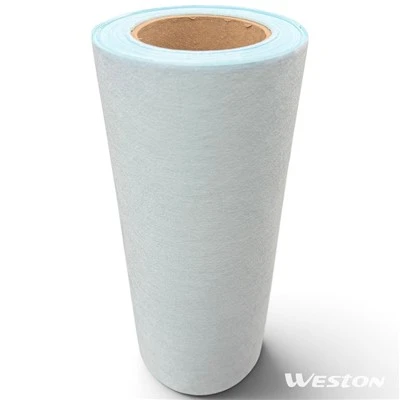
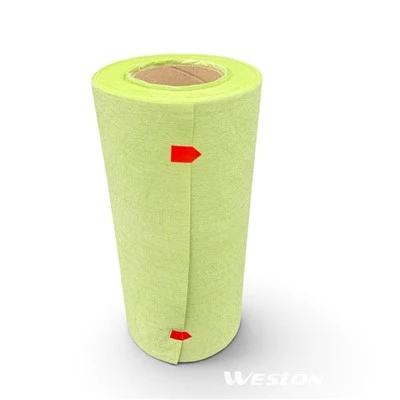
Well-engineered Floor Cleaning Wipes use soft, low-lint substrates and balanced formulations to avoid these issues.
How Spunlace Nonwoven Materials Improve Safety
What Spunlace Means
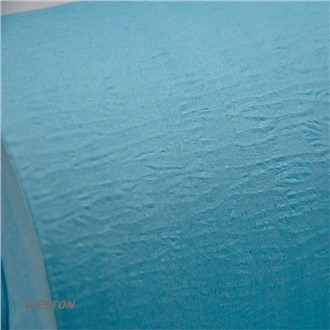
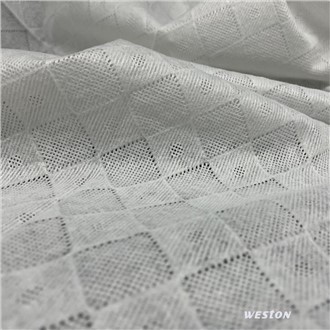
Spunlace nonwoven fabrics are made by entangling fibers with high-pressure water. No binders. No stiff resins.
Why That Matters for Wood
The surface stays soft. Fiber distribution is uniform. Lint release is low. Friction stays controlled.
Moisture Handling
Spunlace holds liquid evenly and releases it gradually. This prevents puddling and streaks.
For manufacturers, sourcing spunlace from experienced nonwoven factories-such as Weston Nonwoven-ensures consistent substrate behavior across batches.
Matching the Cleaning Method to Floor Type
Sealed Hardwood
Use minimal moisture. Neutral cleaners or controlled wipes work best.
Oil-Finished or Waxed Floors
Avoid water-heavy methods entirely. Use products specifically labeled for these finishes.
High-Gloss Floors
Residue shows easily. Less product. More frequent light cleaning.
Commercial or High-Traffic Areas
Consistency matters more than strength. Controlled systems outperform aggressive cleaning.
A Practical Cleaning Hierarchy That Works
Daily
Dry dust removal. Soft cloth or low-lint wipe.
Weekly
Light damp cleaning. Minimal liquid. Fast drying.
Spot Cleaning
Immediate action. Controlled wipes prevent spreading oils.
What to Avoid
Flooding. Scrubbing. Layering products. More effort does not equal better results.
What Professionals Actually Look For
They do not chase shine.
They avoid moisture.
They minimize friction.
They reduce residue.
This is why many professional cleaning systems now rely on controlled substrates-often disposable Floor Cleaning Wipes made with spunlace nonwoven materials-for predictable, surface-safe results.
Cleaning hardwood floors is not about power.
It is about restraint.