What Color Pad to Use for Scrubbing Floors?
Walk into any janitorial closet or cleaning supply room and you will see it immediately.
Floor scrubbing pads in different colors.
White, red, blue, green, sometimes black.
These colors are not decoration.
They are a working system.
Each color signals how a pad behaves against a floor surface, how much friction it creates, and how much damage it can cause if used incorrectly.
Choosing the wrong color does not just reduce cleaning efficiency.
It shortens floor life.
It leaves scratches, haze, or worn coatings that cannot be undone.
Understanding pad color is about understanding controlled abrasion.

Why Floor Scrubbing Pads Come in Different Colors
Color as a Functional Code
In professional cleaning, color is a shortcut.
It helps workers choose the correct tool without reading specifications.
The color usually reflects:
Abrasiveness level
Fiber density
Intended cleaning task
This system reduces mistakes in fast-paced environments like kitchens, hospitals, and commercial buildings.
Hygiene and Cross-Contamination Control
Color also helps separate usage areas.
A pad used in a greasy kitchen should not touch a bathroom or office floor.
Using different colors prevents:
Grease transfer
Chemical residue carryover
Bacteria spread between zones
In real operations, color coding is often more effective than written rules.
Understanding Pad Color as a Cleaning Signal
Color and Abrasive Strength
A pad cleans by friction, not chemicals alone.
The darker the pad, the more mechanical force it applies.
Light-colored pads bend more.
Dark pads resist deformation and dig into soil.
This is why one pad cannot serve all floors.
Color and Soil Type
Different dirt behaves differently.
Dust sits loosely on surfaces
Grease bonds to the floor
Dried residue hardens into texture
Color indicates whether a pad is meant to lift, break, or scrape soil away.

White Pads: Gentle Cleaning and Surface Protection
Where White Pads Work Best
White pads are designed for maintenance cleaning.
They are commonly used on:
Finished wood floors
Polished marble or granite
Laminate and luxury vinyl
These floors rely on coatings or surface treatments for appearance.
Practical Advantages
White pads apply minimal friction.
They glide instead of scrape.
They are effective for:
Daily dust removal
Light spills
Dry or damp mopping
They preserve shine and coating integrity.
Real Limitations
White pads cannot remove:
Heavy grease
Dried food residue
Embedded dirt
Using them on dirty floors wastes time and water.
Red and Blue Pads: Balanced Everyday Scrubbing
Typical Applications
Red and blue pads sit in the middle of the spectrum.
They are widely used on:
Kitchen floors
Cafeterias
Sealed tile and vinyl
These floors face mixed soil types.
Why They Are So Common
These pads provide controlled friction.
They can:
Break down light grease
Remove sticky spills
Handle daily foot traffic residue
They clean faster than white pads without aggressive damage.
Long-Term Considerations
On soft coatings, repeated use may dull surfaces over time.
They should not replace gentle pads for daily maintenance on sensitive floors.
Green Pads: Heavy-Duty Kitchen and Utility Cleaning
Designed for Tough Conditions
Green pads are built for environments where dirt bonds strongly.
Common locations include:
Commercial kitchens
Food processing areas
Garages and workshops
What Makes Them Effective
Green pads apply high mechanical force.
They are effective against:
Grease buildup
Carbonized residue
Textured anti-slip tiles
They work when chemicals alone fail.
Risks If Misused
Green pads can:
Scratch coated floors
Strip protective layers
Leave visible wear patterns
They require controlled pressure and limited use.

Black and Brown Pads: Stripping and Restoration Only
Purpose-Built Abrasion
These pads are not cleaning tools.
They are removal tools.
They are used for:
Stripping old wax
Removing failed coatings
Floor restoration preparation
Why They Should Be Restricted
Their abrasive level is extreme.
Using them for routine cleaning will:
Permanently damage floors
Expose raw surfaces
Increase long-term maintenance costs
They belong in professional restoration workflows only.
How Floor Material Changes Pad Choice
Wood and Laminate Floors
These floors rely on surface finishes.
Recommended approach:
White pads for routine cleaning
Minimal moisture
Low pressure
Aggressive pads shorten floor lifespan quickly.
Tile, Vinyl, and Stone Floors
These surfaces vary widely.
Smooth tile tolerates moderate friction.
Textured tile often requires stronger pads.
Pad choice should match:
Surface roughness
Coating presence
Soil type
Commercial Kitchen Floors
Safety and grease control come first.
Higher-friction pads are often necessary.
However, rotation matters.
Using green pads daily accelerates wear.
Alternating with medium pads reduces damage.
Common Mistakes When Choosing Pad Colors
Using "Stronger" Pads to Save Time
More friction does not always mean better cleaning.
Over-scrubbing:
Damages surfaces
Pushes dirt deeper into texture
Increases water usage
Ignoring Pad Construction
Color alone does not define performance.
Fiber blend, thickness, and embossing matter.
Two green pads can behave very differently.
Reusing Pads Across Areas
Pads absorb soil.
Using the same pad in different zones spreads contamination and reduces effectiveness.
What Really Determines Scrubbing Performance
Fiber Composition
Polyester adds strength.
Viscose and wood pulp increase absorbency.
Balanced blends clean more efficiently with less pressure.
Manufacturing Structure
Spunlace pads entangle fibers with water pressure.
This creates:
Even abrasion
High durability
Consistent contact
Structure matters more than appearance.
Pad Thickness and Surface Texture
Thicker pads hold more soil.
Embossed surfaces increase contact points.
This improves cleaning without increasing aggression.
Color Customization in Professional Mop Pads
Large facilities often customize pad colors.
This supports workflow control and training.
Manufacturers can:
Match colors to cleaning zones
Adjust abrasiveness without changing color
Build OEM and ODM pad systems
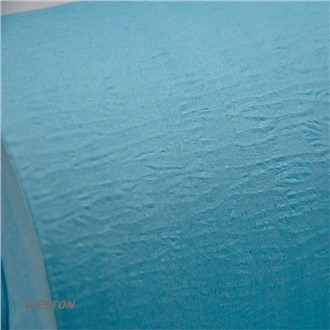
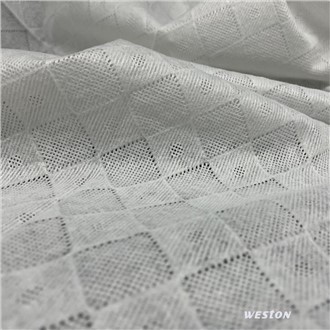
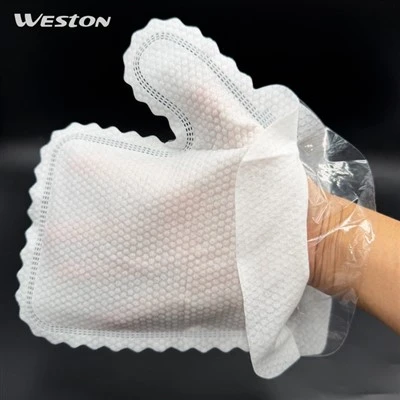
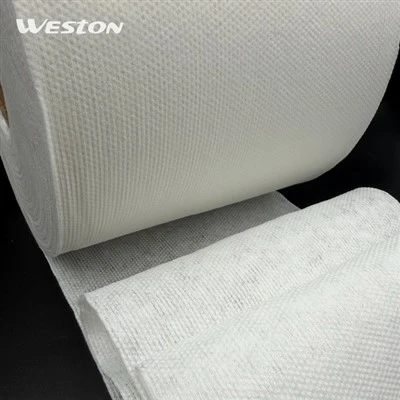
For example, Kitchen Floor Scrubbing Mop Pads produced by spunlace manufacturers like Weston Nonwoven are often customized in color and structure to fit specific cleaning protocols, rather than sold as one-size-fits-all products.
Choosing Pad Colors for Long-Term Floor Care
Effective floor cleaning is not about force.
It is about matching friction to reality.
A smart system uses:
Gentle pads for maintenance
Medium pads for daily soil
Heavy pads only when necessary
Pads should be replaced before they lose structure.
Pressure should never compensate for the wrong tool.
Color is not a label.
It is a warning, a guide, and a shortcut to doing the job right.
Choosing correctly protects floors, saves labor, and delivers consistent results day after day.