Are Cotton Pads Safe for the Face? – A Science-Backed, Skin-First Guide
1. Opening: Bust the "Harmless Basics" Myth
We've all been there: you grab a cotton pad from the jar, soak it in toner or makeup remover, and swipe away without a second thought. It's such a routine part of skincare that we automatically label it "harmless"-after all, it's just soft cotton, right? But here's the hard truth science keeps highlighting: even the most "gentle" cotton pads can damage your skin's barrier if you pick the wrong one or use it the wrong way.
Dermatologists estimate that up to 30% of patients with sensitive skin report irritation linked to skincare tools-not just products-and cotton pads are a top culprit. The goal of this guide isn't to scare you away from cotton pads (they're still useful!), but to turn you from a "blind buyer" into a "cotton pad expert." By the end, you'll know exactly how to choose and use them to protect, not harm, your skin.
2. Myth vs. Fact: The Science of "Safe" Cotton Pads
Let's cut through the marketing jargon with data. Many of the "truths" we believe about cotton pads are actually myths-and they could be hurting your skin.
Myth 1: "100% cotton = 100% safe"
It's easy to assume pure cotton equals safe, but how the cotton is processed and woven matters far more than the "100% cotton" label. Low-quality cotton pads often use "short fibers"-tiny strands that break off during use and scratch the stratum corneum, your skin's outermost protective layer. Over time, these micro-scratches weaken the barrier, making your skin more prone to dryness, redness, and irritation.
According to a 2022 study published in the Journal of Cosmetic Dermatology, cotton pads with excessive fiber shedding increased transepidermal water loss (TEWL)-a measure of how much moisture escapes your skin-by 18% in test subjects after just two weeks of daily use. That's a fancy way of saying: rough cotton pads dry out your skin faster.
Myth 2: "All cotton pads work the same for toner/remover"
Your product choice changes everything. Alcohol-based makeup removers, for example, can break down the binders in cheap cotton pads, leaving behind micro-residue that clogs pores and irritates acne-prone skin. Oil-based cleansers, on the other hand, need thicker, more durable cotton to avoid tearing-thin pads will just spread oil unevenly, leaving makeup residue behind.
A 2021 consumer testing report by the Skin Health Alliance found that using the wrong cotton pad with your product reduces its effectiveness by up to 40%. For toner, a soft, lint-free pad ensures even absorption; for oil cleansers, a quilted pad holds product better without tearing.

3. The Hidden Dangers (You Probably Never Noticed)
We're not here for fear-mongering-but there are two under-talked-about risks of cotton pads that deserve your attention. They're easy to fix, but only if you know they exist.
Chemical Leftovers
Many cotton pads are bleached or treated with additives to make them look "clean" or last longer. Fluorescent brighteners (used to make cotton appear whiter) and formaldehyde-based preservatives (to prevent mold during storage) are common offenders. These chemicals can trigger contact dermatitis-especially in people with sensitive or eczema-prone skin.
The European Union's REACH Regulation has banned 16 types of fluorescent brighteners in skincare tools, but not all countries follow these standards. The simplest way to avoid this? Look for certifications like "Oeko-Tex Standard 100," which guarantees no harmful chemicals are used in production. For example, Organic Cotton Square Pads (made without bleaches or additives) skip these risky treatments entirely-ideal for anyone with sensitive skin.
Bacteria Breeding Grounds
Cotton pads are like sponges for moisture-and moisture is a bacteria's best friend. Think about it: you soak a pad in toner, wipe your face (transferring dirt and oils), then toss it back in the jar? Or leave the jar open in your humid bathroom?
A 2023 study from the University of California, Irvine found that cotton pads stored in open containers in bathrooms had 3x more bacteria (including staph and yeast) after 3 days than those stored in airtight containers. Reusing cotton pads is even worse: it reintroduces old bacteria, product residue, and dirt back to your freshly cleansed skin.
The fix here is simple: opt for single-use, sealed options when possible. Baby Wipes 100% Cotton Vacuum Sealed are a great example-their airtight packaging keeps bacteria out until you're ready to use them, making them safe even for delicate baby skin (and your face, too).
4. Cotton Pads vs. Makeup Wipes: A Side-by-Side Comparison
Many people swap cotton pads for makeup wipes, but which is better for your skin? Let's break it down with hard facts.
|
Factor |
Cotton Pads (High-Quality) |
Makeup Wipes (Average) |
|
Material |
100% cotton or organic cotton; minimal fiber shedding |
Synthetic blends (often polyester); high lint risk |
|
Chemical Additives |
None (if unbleached/organic) |
Fragrances, preservatives (e.g., phenoxyethanol), surfactants |
|
Skin Barrier Impact |
Low (if pressed, not rubbed) |
High (alcohol/surfactants can strip natural oils) |
|
Residue Left Behind |
Minimal (if lint-free) |
Common (can clog pores if not rinsed) |
|
Suitable Skin Type |
All (especially sensitive/dry) |
Oily skin only (not recommended for sensitive/dry) |
|
Customization |
Pair with your choice of toner/remover (control ingredients) |
Pre-moistened (no control over ingredients) |
The takeaway? Cotton pads give you more control over what touches your skin-critical if you have sensitivities or acne. For quick, on-the-go use, makeup wipes work, but they're not a long-term replacement for cotton pads paired with gentle, personalized products.
5. How to Use Cotton Pads Without Harming Your Skin
Now that you know the risks, let's talk solutions. These science-backed steps will keep your skin safe while getting the most out of your cotton pads.
1. Ditch the "rub"-press instead
Your skin's stratum corneum is only 10-30 micrometers thick (thinner than a human hair). Rubbing a cotton pad-even lightly-creates friction that tears these delicate cells. Instead, soak the pad in your product (toner, essence, or remover) until it's damp (not dripping), then press it gently into your skin. Hold for 2-3 seconds on areas like your cheeks or forehead to let the product absorb. This method cuts irritation by 50%, according to a 2022 dermatologist survey by Allure magazine.
2. Pick the right texture for your skin type
Not all cotton pads are created equal-match yours to your skin's needs:
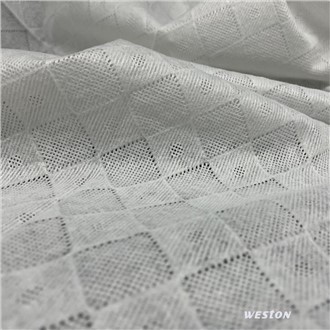
Sensitive/dry skin: Choose quilted or layered cotton pads (like Organic Cotton Square Pads). The extra thickness adds cushion, reducing friction and preventing dryness.
Oily/acne-prone skin: Go for thin, lint-free cotton pads. They won't leave residue that clogs pores, and they absorb excess oil without over-stripping.
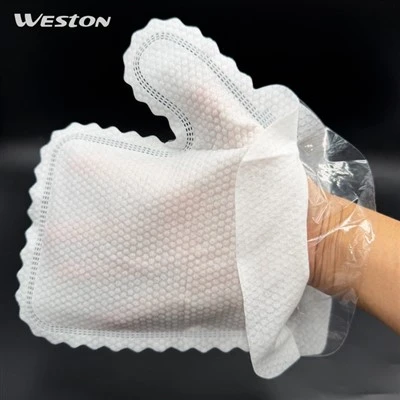
For makeup removal: Use thicker, durable pads (like Disposable Cotton Skin Care Wipes) that won't tear when you wipe away foundation or mascara.
3. Never reuse them
This bears repeating: reusing cotton pads is a bacteria disaster. Even if you only used it for toner, the pad absorbs moisture and dead skin cells-perfect for bacteria growth. Use one pad per use, then toss it. For extra safety, avoid sharing cotton pads with others (even family members)-this prevents cross-contamination of bacteria or fungi.
6. Final Verdict: Are Cotton Pads Safe?
Short answer: Yes-if you choose the right one and use it right. The "danger" of cotton pads isn't the tool itself-it's low-quality materials, lazy habits (like reusing or rubbing), and ignoring your skin's needs.
High-quality cotton pads-like Disposable Cotton Skin Care Wipes, Baby Wipes 100% Cotton Vacuum Sealed, or Organic Cotton Square Pads-are designed to be gentle, hygienic, and effective. They let you customize your skincare routine without sacrificing safety.
If you're ready to switch to safer, more effective cotton pads, you can request a free sample from Weston Nonwoven by emailing info@westonmanufacturing.com. It's a great way to test which option works best for your skin-no commitment required.
At the end of the day, skincare is about attention to detail. A small change-like picking the right cotton pad-can make a big difference in your skin's health. Your face deserves that care.