Are Cleansing Pads Good for Your Face?
Cleansing pads have become a common part of modern skincare. Many people use them to remove makeup, apply toner, or quickly refresh the skin. Their convenience is clear, but the real question is simple: are cleansing pads actually good for your face?
The answer depends less on marketing claims and more on how the pads are used, what materials they are made from, and what role they play in a skincare routine. When understood correctly, cleansing pads can be a practical and safe tool for daily facial care.
What Cleansing Pads Are Designed to Do
A cleansing pad is essentially a soft wiping material used together with a liquid product such as cleansing water, toner, or micellar solution. The pad itself does not clean the skin chemically. Instead, it helps lift away dirt, oil, sunscreen, and makeup from the skin surface.
Most cleansing pads are made from nonwoven materials. These fabrics are designed to be lightweight, absorbent, and soft enough for facial contact. When the pad absorbs cleansing liquid, it becomes an effective medium for gently wiping away residue.
In simple terms, the pad acts as a carrier and wiping surface, while the liquid product performs the actual cleansing work.

Why Many People Use Cleansing Pads
Cleansing pads are popular for practical reasons rather than dramatic skincare effects. They offer small advantages that fit well into everyday routines.
Common reasons people use cleansing pads:
- They help remove makeup more efficiently than water alone
- They distribute toner evenly across the face
- They reduce direct hand contact with the skin
- They provide a quick cleansing option when traveling or after workouts
For example, when removing eye makeup, a pad soaked with micellar water can dissolve pigments and gently lift them off the skin without excessive rubbing.
In daily life, many people use cleansing pads as a supporting step, not as the only cleansing method.
The Material of the Pad Matters
Not all cleansing pads feel the same on the skin. The fabric structure and fiber type directly affect softness, liquid absorption, and wiping ability.
Common materials include cotton, viscose-based fibers, and blended nonwoven fabrics. Some modern skincare pads use plant-derived fibers designed to be softer and more environmentally friendly.
Another important factor is the surface pattern.
Surface textures often include:
Smooth surfaces for sensitive skin
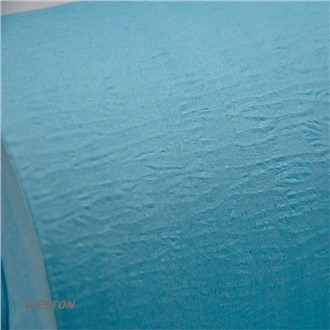
Embossed patterns for improved wiping ability
Micro-textures designed to hold more liquid
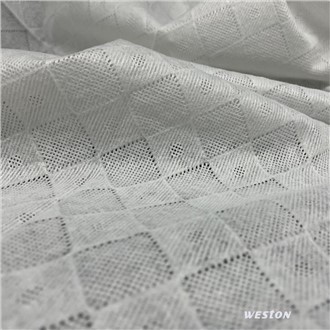
Pads with light embossing can improve cleansing efficiency by increasing surface contact. For example, structured designs like Dot Pattern Cleansing Pads help hold cleansing liquid more evenly and assist with lifting makeup residue without aggressive rubbing.
The pattern does not make the pad stronger. Instead, it helps distribute pressure more gently across the skin.

When Cleansing Pads Are Most Useful
Cleansing pads work best in situations where gentle wiping improves cleaning efficiency.
Typical uses include:
1. Makeup removal
Makeup pigments often cling to the skin surface. A soaked pad helps dissolve and lift these particles away.
2. Pre-cleansing before face wash
Some people remove sunscreen or heavy makeup first with a pad, then wash their face with a gentle cleanser.
3. Toner application
Pads spread toner evenly and prevent excessive product use.
4. Quick skin refresh
After exercise or long outdoor activity, a pad with cleansing water can remove sweat and surface oil.
In these cases, the pad acts as a controlled cleaning tool, improving the efficiency of the liquid product.
Situations Where Caution Is Helpful
Although cleansing pads are generally safe, misuse can sometimes cause irritation.
Most problems are related to friction rather than the pad itself.
Factors that may lead to irritation:
- Rubbing the same area repeatedly
- Using textured pads too aggressively
- Applying too much pressure during wiping
- Using exfoliating pads too frequently
People with very sensitive skin or a damaged skin barrier should focus on gentle wiping and minimal friction.
A simple rule helps reduce irritation: let the cleansing liquid dissolve the residue first, then wipe lightly.
Environmental Considerations
As consumers become more aware of sustainability, the environmental impact of disposable products is also discussed.
Traditional cotton pads are widely used, but they are not always the most sustainable option depending on how they are produced. In recent years, more manufacturers have explored plant-based fibers and biodegradable materials.
For example, pads made from lyocell fibers are increasingly used in skincare products. Lyocell is derived from wood pulp and is known for its smooth texture and good absorbency. Pads such as Biodegradable Lyocell Cleansing Pads are designed to combine gentle skin contact with improved environmental performance.
Material innovation in nonwoven fabrics continues to expand options for both skincare brands and consumers.
Small Habits That Improve Results
Using cleansing pads effectively is mostly about technique rather than the product itself.
A few practical habits make a noticeable difference:
- Soak the pad sufficiently before wiping
- Use light pressure instead of scrubbing
- Change to a clean pad when the first becomes saturated with makeup
- Follow with moisturizer after cleansing
These simple steps help protect the skin barrier while maintaining good cleansing results.
The Role of Nonwoven Materials in Skincare Pads
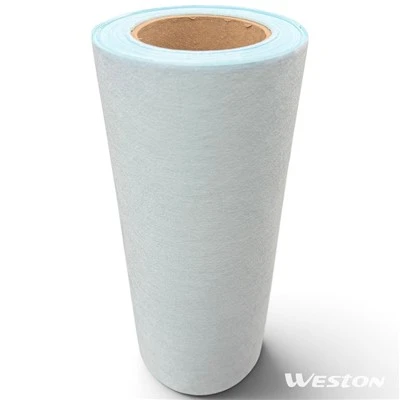
Behind every cleansing pad is a specialized fabric manufacturing process. Nonwoven technologies such as spunlace (hydroentanglement) are commonly used to create soft, durable pads suitable for cosmetic use.
These fabrics are engineered to balance several properties:
- softness against the skin
- high liquid absorption
- low lint generation
- consistent structure
Manufacturers specializing in spunlace materials, including Weston Nonwoven, focus on producing fabrics that meet cosmetic hygiene standards while maintaining a smooth and stable texture. Such materials are widely used by skincare brands to produce various types of cleansing pads.
In this context, the pad itself is not a skincare treatment. It is a carefully designed material that supports gentle and effective cleansing.
A Practical Way to Look at Cleansing Pads
Cleansing pads are not miracle skincare products, but they can be very useful tools. Their value lies in controlled application, gentle wiping, and practical convenience.
When paired with suitable cleansing liquids and used with light pressure, they help remove makeup, sunscreen, and daily impurities in a simple and efficient way. Understanding the material, the technique, and the intended use allows cleansing pads to fit naturally into a balanced skincare routine.