What Do the Colors of Cleaning Cloths Mean?
Walk into any professional cleaning area - a hospital ward, restaurant kitchen, or hotel laundry - and you'll notice something subtle yet systematic: cloths and mops in different colors. Red, blue, green, yellow. It might look decorative at first glance, but it's not. Behind those colors lies one of the simplest and most effective hygiene systems ever created: color coding.
Color-coded cleaning isn't just about organization. It's about safety, consistency, and trust. When everyone in a workspace understands what each color stands for, the chances of cross-contamination drop dramatically.

Why Colors Matter More Than Labels
In theory, you could label every cloth by function - "bathroom," "kitchen," "office." But in practice, that's messy and slow. Colors work instantly. You don't need to read. You don't even need to speak the same language. One quick glance tells you what's safe to use where.
Color systems make cleaning faster and smarter. A red cloth instantly signals "stop - use carefully." A green one says "safe for food contact." Visual clarity builds good habits and prevents costly mistakes.
The logic is universal: color is faster than thought. That's why global hygiene standards, from Europe to Asia, often follow similar color-coding conventions.
The Common Color Code and What Each Stands For
While not every company uses the exact same chart, the following guide represents the most widely recognized color scheme across healthcare, food service, and facility management:
Red - The High-Risk Zone
Used in restrooms and toilet areas, red marks the boundary between ordinary cleaning and germ-intensive environments. It reminds workers that this cloth should never touch a surface where food or skin contact occurs.
Yellow - Sanitary Contact Areas
Typically used for wash basins, sinks, and surfaces exposed to bodily fluids. It's a secondary hygiene layer - important, but not as high-risk as red zones.
Blue - Low-Risk and General Areas
The blue cloth is the all-rounder: offices, furniture, classroom surfaces, or low-contamination zones. Blue reduces confusion when teams handle multiple spaces within one shift.
Green - Kitchens and Food Preparation Areas
The color of freshness and food safety. Green cleaning cloths are reserved for cutting boards, counters, and cooking tools. Mixing this color with red or yellow could transfer bacteria where it least belongs - into food.
Some facilities introduce purple for isolation rooms or laboratories, signaling ultra-specific zones. The key is not which colors you choose, but that everyone follows the same rules.
When Colors Get Mixed Up
Color systems work only if they're respected. A single misplaced cloth can undermine the entire setup. Imagine using a red cloth - one meant for toilets - on a kitchen counter. Even if the cloth looks clean, it could carry pathogens invisible to the eye.
Cross-contamination spreads silently and fast. Food poisoning, hospital infections, or hygiene audit failures often trace back to simple lapses like this. The solution isn't more cleaning products - it's better discipline through visual structure.
Training teams to recognize and obey the color code builds a professional cleaning culture. When everyone uses the right color in the right place, you turn routine cleaning into a real hygiene system.
The Science Behind the Fabric
Color is only one part of the story. The other is material performance. A well-made cloth traps dirt, absorbs liquid efficiently, and withstands repeated disinfection. A poor-quality one simply spreads contamination around.
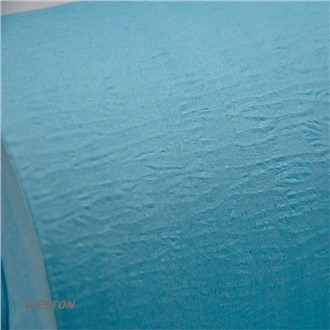
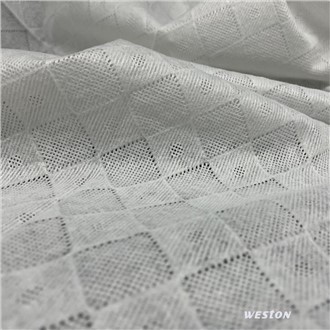
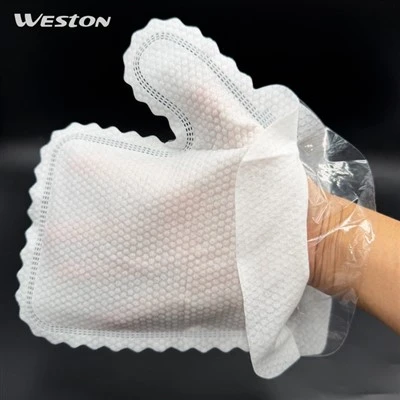
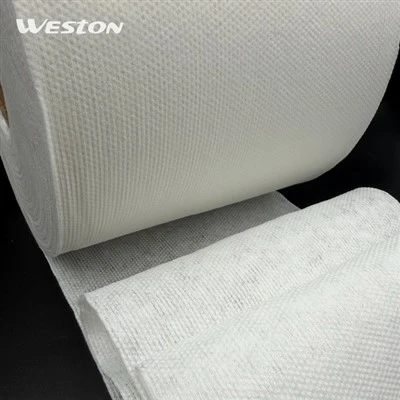
That's why many modern facilities are turning to Colored Spunlace Nonwoven materials. This fabric - made from entangled water-jet fibers - delivers uniform texture, strong tensile resistance, and lint-free absorption. It's ideal for color-coded cleaning because each cloth can be permanently dyed without losing strength or softness.
Weston Nonwoven, a professional spunlace nonwoven factory, manufactures high-performance color-coded materials engineered for healthcare, industrial, and food-service environments. The structure of Colored Spunlace Nonwoven allows deep cleaning without residue, giving professionals both hygiene confidence and tactile comfort. It's a quiet example of how good material science enhances everyday sanitation.

Setting Up a Simple Color System in Your Workplace
Even small teams can benefit from a consistent color-coding approach. Here's how to start:
Define clear zones. Map your facility into areas - restrooms, kitchens, offices, patient rooms, etc. Assign one color to each.
Standardize supplies. Make sure every worker has access to cloths in all required colors. Mixing brands or shades can create confusion.
Label and display. Post visual guides near supply shelves. Photos or color icons work better than text.
Train by doing. Hands-on instruction sticks better than lectures. Demonstrate correct use and disposal.
Replace worn materials. Over time, colors fade. A pale red cloth is no longer a clear signal - keep rotation tight to maintain clarity.
When implemented properly, a color-coded system becomes second nature. Workers don't have to think twice - their hands reach for the right color automatically.
The Benefits and the Challenges
Advantages:
Reduces cross-contamination: Color systems separate high- and low-risk tasks effectively.
Speeds up workflow: Instant visual cues mean faster decision-making during cleaning rounds.
Simplifies training: Ideal for multilingual or high-turnover teams.
Professional appearance: Consistency in color-coded materials reflects discipline and quality.
Enhances compliance: Helps meet health and safety inspection standards with less confusion.
Challenges:
Color fading: Low-grade fabrics lose color intensity, blurring distinctions over time.
Human error: Habits take time; without reminders, workers may revert to old patterns.
Inventory management: Maintaining balanced stock of each color requires organization.
The key is ongoing education and reliable materials that hold color and structure after repeated washing or chemical exposure - areas where Colored Spunlace Nonwoven excels.
A Smarter Kind of Clean
Color-coded cleaning is proof that smart hygiene doesn't need to be complicated. A few distinct shades can replace entire pages of instructions, protecting both people and places through visual simplicity.
From hospitals to factories, the principle remains the same: cleaning is a science, not an afterthought. When supported by quality materials like Weston Nonwoven's Colored Spunlace Nonwoven, that science becomes effortless - and visibly effective.
In the end, colors don't just brighten the cleaning routine. They organize it, discipline it, and turn every swipe of the cloth into a small act of safety.