Is Surgical Tape the Same as Medical Tape?
A Practical Guide for Healthcare and Hygiene Buyers
In hospitals, clinics, and even home-care settings, adhesive tapes are small tools that make a big difference. Yet many professionals and consumers use "surgical tape" and "medical tape" as if they are the same thing. They're related-but not identical. Knowing the distinction can improve patient safety, prevent skin irritation, and reduce unnecessary costs in healthcare purchasing.
Understanding Medical Tape - The Broad Category
Medical tape is a general term for adhesive tapes used in medical and hygiene applications. These tapes are designed to secure dressings, hold gauze in place, fix small medical devices such as catheters or sensors, and protect fragile skin from friction or infection risk.
Common types of medical tape include:
Paper tape – gentle and breathable, ideal for sensitive skin
Cloth tape – durable, flexible, and suitable for general clinical use
Plastic (PE or PU) tape – water-resistant and easy to clean
Silicone tape – soft adhesion for patients with fragile skin
Foam tape – cushioned, often used for wound protection
Medical tape is versatile and found in both sterile and non-sterile versions. It is the large family of which surgical tape is only one specialized member.

What Makes Surgical Tape Different
Surgical tape belongs inside the medical tape family, but it's designed for surgical and sterile conditions where performance reliability is critical. It's used to secure surgical dressings, stabilize incisions after operations, and maintain adhesion even under moisture, movement, or long wear.
Typical characteristics include:
Consistent, stronger adhesion to keep dressings fixed under stress
Sterile production and packaging, compliant with hospital requirements
Hypoallergenic options to minimize skin reactions post-surgery
Material stability, even under humidity or sterilization processes
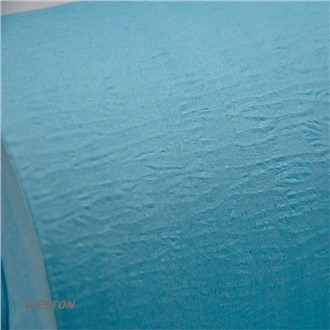
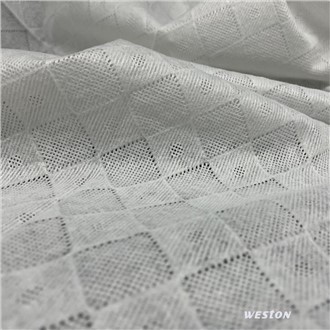
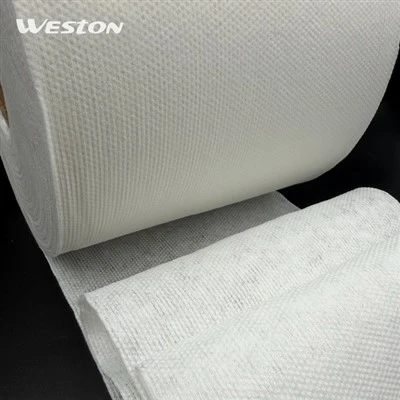
Surgical tape is often made from spunlace nonwoven fabric, a soft yet durable substrate that balances flexibility with breathability. Weston Nonwoven produces Spunlace Nonwoven for Medical Tape Roll, a clean, absorbent material used by converters and OEM factories worldwide for surgical-grade tapes and dressings.
Comparing Medical and Surgical Tapes at a Glance
|
Feature |
Medical Tape (General) |
Surgical Tape (Specific) |
|
Category |
Broad product group |
Subset of medical tape |
|
Typical Use |
Daily care, clinics, hygiene |
Surgical and post-operative care |
|
Adhesion Strength |
Light to medium |
Medium to strong |
|
Skin Sensitivity |
Many gentle options |
Focus on fixation performance |
|
Sterility Level |
May be non-sterile |
Often sterile or surgery-grade |
|
Cost Level |
Usually lower |
Slightly higher due to standards |
|
Wear Time |
Short to medium term |
Medium to long term |
This comparison highlights that "surgical" does not necessarily mean "better"-only more specialized.

Common Misconceptions
1. All medical tapes are safe for surgery.
Not always. Many general medical tapes lack the sterility or adhesive strength required in surgical environments.
2. Surgical tape is always superior.
It depends on the skin condition. For delicate or pediatric skin, gentler paper or silicone tapes may be more appropriate.
3. The names are just marketing.
Terminology actually matters. In procurement, using the right label ensures regulatory compliance, accurate supplier communication, and proper end use.
Choosing the Right Tape for the Right Job
To simplify decision-making, ask three practical questions:
What is the application?
If the tape will be used in surgery or for post-operative wounds, choose surgical tape.
For daily clinical or household care, standard medical tape is sufficient.
Who is the patient?
For fragile or elderly skin, paper or silicone tapes are best.
For stronger skin types or longer wear, cloth or spunlace options are ideal.
How long must it stay in place?
Short-term fixation: lighter adhesion for easy removal.
Long-term wear or high movement areas: surgical-grade adhesion.
Selecting tape this way helps balance comfort, performance, and cost efficiency.
Why This Distinction Matters for Procurement
In medical supply chains, small misunderstandings can lead to waste or patient discomfort. By clearly distinguishing between surgical and general medical tapes, procurement teams can:
Avoid over-specification that increases costs unnecessarily
Improve patient outcomes through better material selection
Ensure consistency across wards and departments
Streamline supplier communication and inventory management
Manufacturers like Weston Nonwoven support hospitals and distributors worldwide with customized spunlace nonwoven rolls designed specifically for medical adhesive production. These base materials meet ISO 9001 and biocompatibility requirements, ensuring safety and consistency at scale.
A Simple Summary for Everyday Use
"Medical tape" refers to the full range of tapes used in healthcare.
"Surgical tape" is a specialized subset designed for surgical use.
Both serve important but distinct purposes.
The best choice depends on the application, skin type, and wear time.
In healthcare, precision in even the smallest materials matters. Selecting the correct adhesive tape contributes directly to patient comfort, care quality, and operational efficiency.
For product customization or free spunlace nonwoven tape roll samples, contact: info@westonmanufacturing.com