The next time you use a cleaning wipe, apply a makeup remover, or wrap a wound, you're likely holding a nonwoven fabric-though you probably won't think about it. Unlike traditional woven textiles, which interlock threads in deliberate patterns, nonwoven fabrics bond fibers directly through mechanical, chemical, or thermal processes. This fundamental difference creates materials that solve specific problems better than conventional alternatives.
How Nonwoven Fabrics Are Actually Made
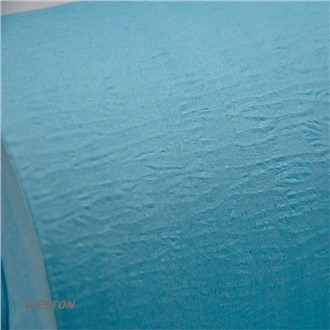
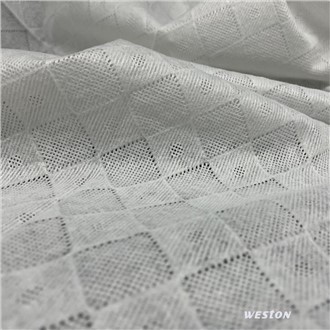
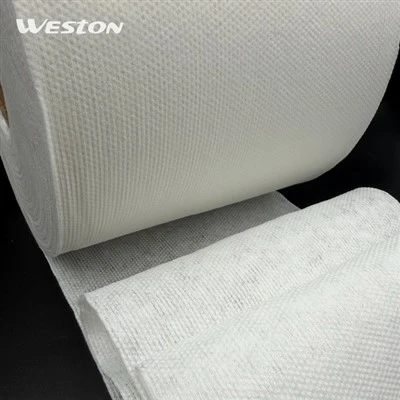
The most widespread production method today is hydroentanglement, commonly called spunlacing. This mechanical process employs high-pressure water jets-typically at 500+ bar pressure-that bombard a loose web of fibers. The water penetrates the web, bounces against a conveyor belt, and forces fibers to twist around each other, creating a bonded sheet without chemical adhesives or heat.
At the microscopic level, when water jets hit the fiber web, they create localized turbulence, causing fibers to rotate, displace, and interlock through friction. Supporting the web with a perforated screen allows water to drain while maintaining fiber contact. The result is a compressed, uniform fabric where fibers hold together through direct contact instead of adhesives.

Advantages of Mechanical Bonding
Since no binders are involved, the fabric remains safe for skin contact. Fibers such as cotton, viscose, polyester, bamboo, and even recycled materials can be processed this way-either individually or blended. The softness that competitors spend money to engineer is achieved naturally in spunlace fabrics.
Where Nonwoven Fabrics Actually Appear
Personal Care Products
Personal care products represent the largest application segment. A single disposable diaper contains 3-4 grams of nonwoven material across multiple layers: a soft topsheet to manage moisture, absorbent middle layers, and a waterproof backing. Similar architecture is found in sanitary napkins, baby wipes, makeup removal pads, and cleansing cloths, where spunlace nonwovens eliminate chemical residues while ensuring necessary absorbency.
Medical Applications
Medical applications have expanded significantly. Surgical gowns, wound dressings, and medical masks all rely on nonwoven construction. Spunlace creates the breathable yet protective barrier that gowns require. The three-layer mask design (spunbond outer layers with a meltblown filter center) became standard because nonwoven technology effectively addresses the balance between breathability and barrier function-something woven fabrics cannot achieve as efficiently.
Automotive Interiors
Automotive interiors have quietly shifted toward nonwovens. Vehicle headliners, door panels, and trunk liners use spunbond nonwovens because they weigh 15-30% less than traditional materials, maintaining acoustic properties. Electric vehicle manufacturers favor this transition since lighter interiors directly improve driving range. Under-hood applications use needle-punched nonwovens, which handle high temperatures better than spunlace.
Household Cleaning
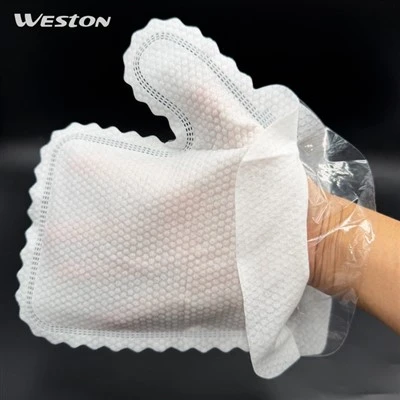
Household cleaning has increasingly depended on nonwoven materials. Disposable wipes, paper-like cleaning cloths, and household paper products predominantly use spunlace technology. The performance difference is notable: a nonwoven wipe remains intact when wet, while traditional paper disintegrates. This durability, combined with 400-800% absorbency, explains why nonwoven wipes have become standard in consumer households.
Construction and Filtration
Less visible but substantial applications include construction and filtration. Roofing underlayment uses spunbond nonwovens for waterproofing while maintaining breathability-critical to prevent moisture from degrading roofing systems. HVAC filters rely on nonwoven media to capture particles at multiple micron scales without restricting airflow. Industrial water treatment processes use nonwoven media for pre-filtration stages.
Why the Same Fabric Type Handles Different Applications
The answer lies in production parameters, not in the fundamental technology. Spunlace nonwovens can be engineered to different weights (measured in grams per square meter, or GSM). For example, a cosmetic pad might be 40-60 GSM, while a medical dressing could range from 80-120 GSM. Fiber composition influences the profile further: 100% polyester exhibits different absorbency and durability characteristics than cotton-polyester blends. Pressure settings, web speed, and support screen selection all adjust the final fabric properties.
Manufacturers rigorously test these specifications. Tensile strength, elongation, absorbency rate, and absorbent capacity all have measurable standards. For medical applications, ISO 13485 certification is essential, while cosmetic products require ISO 22716 compliance. These specifications ensure product performance and safety.
The Current Manufacturing Reality
China produces approximately 45% of global nonwoven capacity, with specialized clusters in Zhejiang, Fujian, and Anhui provinces. This concentration offers advantages from nearby suppliers of raw materials and equipment, facilitating rapid innovation across competing manufacturers.
By 2025, there have been measurable improvements in spunlace production. Advanced hydroentanglement equipment now uses 15% less water and power than systems from five years ago. Fiber quality has improved, allowing manufacturers to process recycled polyester (r-PET) through needle-punch bonding, creating recycling pathways for plastic bottles. Energy-efficient processing leads to lower production costs, benefiting consumers.
The biodegradability conversation has moved from marketing language to actual technical capability. Viscose spunlace nonwovens decompose in 3-6 months under home composting conditions-verifiably faster than synthetic options. Polylactic acid (PLA) fiber blends provide plant-based alternatives that biodegrade completely without leaving microplastic residue. These capabilities are currently manufactured at a commercial scale.

A Practical Note on Product Selection
When evaluating nonwoven materials for any application-whether developing consumer products, selecting industrial filtration, or sourcing medical-grade materials-the fiber composition and bonding method matter more than product marketing. Spunlace fabrics are optimal when simultaneous softness and absorbency without chemical binders are needed. Spunbond excels when barrier function and production speed take precedence, while needle-punching is vital for processing natural or recycled fibers.
Leading manufacturers like Weston Nonwoven operate specialized production lines tailored to different applications. Their spunlace water-jet technology produces cotton and polyester blends optimized for cosmetic and cleansing pad applications-fabrics engineered for both softness and moisture management.
Brands developing premium personal care products should source from manufacturers with established expertise in spunlace production. Maintaining ISO certifications, performing independent testing, and offering material consistency across production runs can eliminate guesswork. Sample testing against specific performance requirements (absorbency, tensile strength, sensory feel) provides concrete data instead of relying solely on specifications.
What's Actually Happening in the Market
Nonwoven fabrics are not universally "replacing" traditional textiles; instead, they are solving specific engineering problems better than alternatives. Disposable wipes are effective because nonwoven materials maintain structural integrity when wet. Medical protective equipment performs effectively due to engineered fiber arrangements that balance breathability and barrier function. Automotive lightweighting achieves genuine efficiency gains because nonwoven interiors reduce weight without sacrificing acoustic properties.
The 2025 market continues to expand due to emerging applications. Battery separator technology for electric vehicles uses specialized nonwoven media. Nanofiber-enhanced nonwovens are entering medical applications, and agricultural mulch films are increasingly adopting biodegradable spunlace alternatives. These are significant expansions driven by advancements in manufacturing capabilities.
The foundation remains mechanical: high-pressure water jets entangling fibers, thermal bonding in continuous filament processes, or mechanical needling for versatility. The sophistication comes from understanding which method solves which problem, how fiber composition affects performance, and why quality consistency is crucial when building consumer-facing products.
The invisible fabric you're holding has more engineering thoughtfulness behind it than most people realize.