Picking safe products for your baby's sensitive skin can be hard. You want your baby to feel good. You also worry about what is inside Baby Body Cleaning Wipes. Many parents think about these things:
Harmful chemicals might be in wipes
Some things in wipes can cause rashes or pain
Some ingredients can hurt the environment
You can find gentle wipes without chemicals if you learn a bit. Safe wipes are out there, and you can find them easily.
Key Takeaways
Pick wipes that have gentle, plant-based ingredients. These help keep your baby's sensitive skin safe. - Find wipes that say 'hypoallergenic' and 'fragrance-free' on the label. This can help lower the chance of skin irritation. - Look for safety certifications like EWG Verified or USDA Organic. These show the product is safe to use. - Use the internet to look up products and check if the ingredients are safe before you buy them. - Try a patch test on a small spot of skin first. This helps you see if there is any reaction before using the wipes everywhere.
What Makes Baby Body Cleaning Wipes Safe
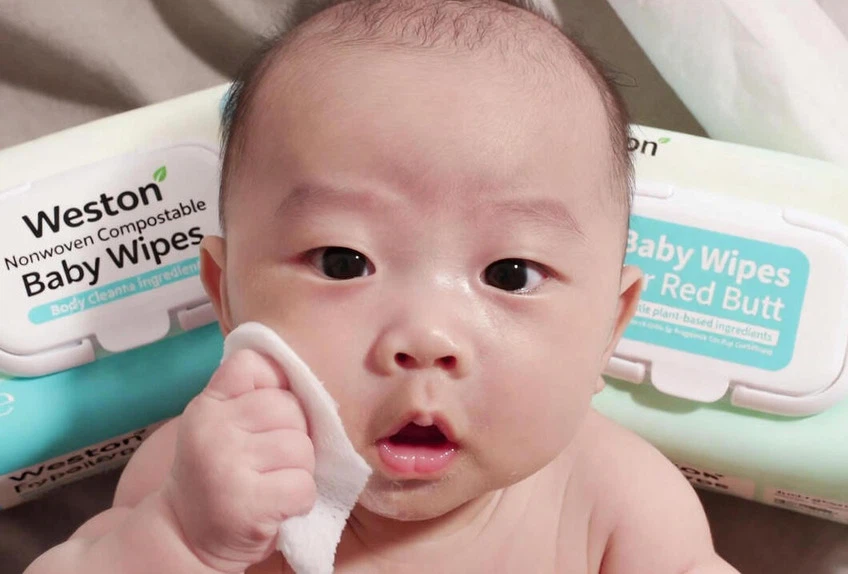
Features of Safe Wipes
When you pick Baby Body Cleaning Wipes, you want them to be safe. Safe wipes are made with gentle materials. They do not have harsh chemicals. Experts test wipes to make sure they do not hurt your baby's skin. Here is how they check if wipes are safe:
|
Testing Method |
Purpose |
|
Repeated Insult Patch Test (RIPT) |
Checks if wipes cause irritation or allergies after repeated use. |
|
Cumulative Irritation Test (CIT) |
Looks for signs of irritation over time. |
|
Microbiological Testing |
Makes sure wipes are free from harmful germs during and after making them. |
|
pH Testing |
Confirms wipes match the natural pH of baby skin (5–5.5). |
|
Transepidermal Water Loss (TEWL) |
Measures how well wipes keep skin moist and protected. |
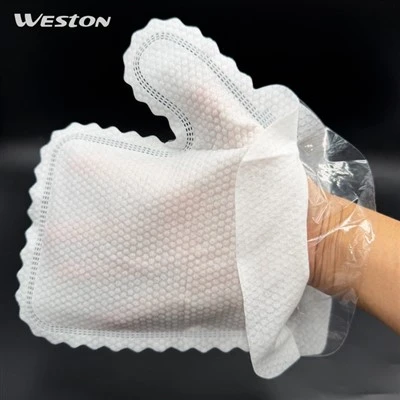
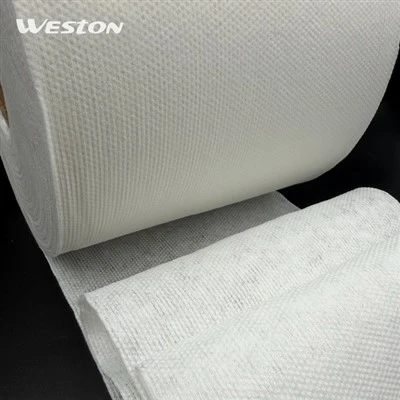
Wipes that pass these tests are safe to use. Weston Nonwoven spunlace nonwoven factory makes wipes that meet these rules. Their wipes are soft and high-quality. They do not use harsh chemicals.
Tip: Always look for these safety tests or certifications on the package before you buy.
Sensitive Skin Needs
Babies with sensitive skin need special care. Their skin is thin and dries out fast. You should use wipes that are soft and gentle. Do not use wipes with strong smells or alcohol. Compostable Baby Wipes and Baby Wipes For Red Butt from Weston Nonwoven spunlace nonwoven factory are good options. These wipes use plant fibers and water-based formulas. They help keep your baby's skin calm and happy.
If your baby's skin gets red or sore, use wipes for sensitive skin. Pick wipes that say "dermatologist-tested" or "hypoallergenic." You will see less redness and fewer rashes with safe Baby Body Cleaning Wipes.
Ingredients to Avoid
Harmful Chemicals
You want your baby's skin to stay safe. Some chemicals in wipes can cause trouble. Watch out for these ingredients:
Parabens: These can change how hormones work.
Alcohol: This dries skin and can make it sting.
Formaldehyde-releasing agents: These can cause allergies.
Phthalates: These might hurt your baby's health.
If you see these on the label, pick a different wipe. You can use the EWG Skin Deep® database to check if something is safe. Type the name and see what it says. This tool helps you choose what is best for your baby.
Tip: Fewer ingredients are better for sensitive skin.
Fragrances and Preservatives
Fragrances make wipes smell good, but they can hurt skin. Many wipes have hidden fragrance chemicals. These can cause allergies or mess with hormones. The diaper area is very sensitive and soaks up things fast. If you use wipes with fragrances, your baby's skin can get red or sore. Babies touch these chemicals many times in their first year.
Scented wipes can hide things that cause allergies.
The diaper area soaks up chemicals quickly.
Babies touch these chemicals again and again.
Preservatives like methylisothiazolinone and methylchloroisothiazolinone can cause rashes too. Look for wipes that say "fragrance-free" and use gentle preservatives.
Quats and Other Irritants
Quaternary ammonium compounds, or quats, are in some wipes. These can cause allergies, especially for sensitive skin. Studies show quats can lead to skin problems. Try not to use wipes with these ingredients.
Quats can cause allergies.
They might make skin itchy or red.
Sensitive skin has more problems with quats.
Other things like dyes and harsh surfactants can also bother skin. Always check the label for these. If you are not sure, use the EWG Skin Deep® database to help you. Choosing wipes without these things keeps your baby's skin healthy and happy.
Choosing Safe Baby Body Cleaning Wipes
If you want to keep your baby's skin safe, you need to know what makes wipes good. Let's look at the most important things to check.
Hypoallergenic and Dermatologist-Tested
When you see "hypoallergenic" or "dermatologist-tested," it means experts checked the wipes. They test if the wipes cause allergies or skin problems. Wipes with mostly purified water are very gentle. These wipes almost never make skin red or itchy.
Wipes that say hypoallergenic are tested to lower allergy risks. The safest wipes have 99% or more purified water, so they almost never cause irritation.
You can trust wipes with these words on the label. They help keep your baby's skin soft and healthy. Many parents say dermatologist-tested wipes work as well as plain water.
SGS Certification
Safety labels are important. SGS is a big company that tests products. If wipes have SGS certification, they passed hard safety tests. Here is what SGS checks:
|
SGS Test Name |
What It Checks For |
|
Primary dermal irritation test |
Checks for quick skin irritation |
|
Cumulative irritation test |
Looks for problems after many uses |
|
Human repeated induction patch test |
Checks for allergies from using often |
|
Phototoxicity and photoallergy tests |
Finds problems from sunlight |
|
Ocular tear-free test |
Makes sure wipes are gentle near eyes |
Wipes with SGS certification are safe for daily use. You can feel good about using them every day.

Water-Based and Plant-Derived Ingredients
Wipes made with water and plants are gentle. These wipes are less likely to cause skin problems. Compostable wipes use cotton or bamboo. They break down in landfills and help the earth. Bamboo wipes use fewer chemicals and less water to make. Regular wipes often have harsh chemicals like parabens and sulfates. These can bother sensitive skin.
Here's a quick comparison:
|
Feature |
Compostable Wipes |
Traditional Wipes |
|
Main Material |
Cotton, bamboo |
Polyester, plastic |
|
Chemicals Used |
Few, gentle |
Many, harsh |
|
Environmental Impact |
Biodegradable, eco-friendly |
Plastic pollution |
|
Skin Safety |
Less irritation, allergy risk |
More irritation, allergy risk |
If you want a safe wipe, try Weston Nonwoven Compostable Baby Wipes. These wipes use plant fibers and water-based formulas. They protect your baby's skin and help the planet.
Fragrance-Free and Soft Materials
Fragrance-free wipes are best for sensitive skin. Fragrances can hide chemicals that cause allergies. Soft wipes feel gentle and do not scratch. Non-toxic wipes use gentle ingredients. They lower the chance of diaper rash and skin problems.
Gentle: Non-toxic wipes use only soft, non-irritating ingredients.
Fewer allergic reactions: No harsh chemicals means less risk of rashes.
Look for wipes that say "fragrance-free" and use soft, plant-based materials. Weston Nonwoven Baby Wipes For Red Butt are a good choice. They help calm sore skin and stop more irritation.
Tip: Always check for "fragrance-free" and soft materials on the label before you buy.
Comparing Certifications and Features
Here's a chart to help you compare different wipes:
|
Product Name |
Hypoallergenic |
Dermatologist-Tested |
SGS Certified |
Water-Based |
Plant-Derived |
Fragrance-Free |
Compostable |
|
Weston Nonwoven Compostable Baby Wipes |
✔️ |
✔️ |
✔️ |
✔️ |
✔️ |
✔️ |
✔️ |
|
Weston Nonwoven Baby Wipes For Red Butt |
✔️ |
✔️ |
✔️ |
✔️ |
✔️ |
✔️ |
✔️ |
|
Typical Store Brand Wipes |
❓ |
❓ |
❓ |
❓ |
❓ |
❓ |
❓ |
When you pick Baby Body Cleaning Wipes, look for these features. You want wipes that are safe, gentle, and good for the earth. Weston Nonwoven Compostable Baby Wipes and Baby Wipes For Red Butt have all these features. Your baby's skin will be happy.
Reading Labels and Making Informed Choices
Decoding Ingredient Lists
It is important to know what touches your baby's skin. Ingredient lists can look confusing, but you can learn them. Look for words like "Paraben-free," "Sulfate-free," "Fragrance-free," and "Phthalate-free." These show the wipes do not have harsh chemicals. Check the whole ingredient list. The first things listed are in the biggest amounts. If water or aloe comes first, that is good.
Be careful with words like "Natural" or "Gentle." These words sound safe, but they are not always true. Always check for bad ingredients like anything ending in -paraben, Fragrance, Sodium lauryl sulfate, DMDM hydantoin, or Formaldehyde. If you see these, pick a different wipe.
Tip: Wipes with fewer ingredients are usually softer for your baby.
Safety Certifications
Certifications help you find safe wipes quickly. Here is a table to help you:
|
Certification Type |
Description |
|
EWG Verified |
No bad ingredients and follows clear rules. |
|
USDA Organic |
Uses plant-based things grown and made with strict organic rules. |
|
Dermatologist-Tested & Pediatrician-Approved |
Tested on people and checked by doctors. Does not mean there are no harmful chemicals. |
Look for these labels on the package. They help you choose wipes you can trust.
Using Online Resources
You can use online tools to check if wipes are safe. The EWG Skin Deep® database is a good place to start. Here is how you can use it:
Get the EWG Healthy Living app. Scan the wipes' barcode to see the ingredients.
Pick wipes made with cotton, not polyester. Cotton helps you avoid microplastics.
Count the ingredients. Less than 10 is usually better.
Try a patch test. Wipe a small spot on your baby's wrist, wait 20 minutes, and look for redness.
These steps help you make smart choices and keep your baby's skin healthy.
Practical Tips for Parents
Patch Testing
You want to make sure new wipes are safe for your baby's skin. Patch testing helps you check for any reaction before using a new product all over. Here's how you can do it:
Pick a small spot on your baby's skin, like behind the ear or on the inner forearm.
Clean and dry that area first.
Gently wipe the spot with the new baby wipe.
Leave the area alone for 24 to 48 hours.
Watch for redness, itching, or any change.
If you see no reaction, you can use the wipes. If you notice irritation, stop using them and talk to your doctor.
Tip: If your baby has a reaction, switch to plain water and a soft washcloth until the skin heals.

Storage and Handling
You want your wipes to stay fresh and safe. Storing and handling them the right way helps keep germs away and keeps wipes gentle for your baby. Check out this table for easy tips:
|
Guideline |
Description |
|
Sealed storage |
Always close the package tightly after each use to keep wipes moist. |
|
Avoid high temperature and direct sunlight |
Store wipes in a cool, dry place. Heat and sun can spoil the ingredients. |
|
Regularly check for signs of deterioration |
If wipes smell odd, change color, or feel different, throw them away-even if not expired. |
Note: Clean your hands before and after each diaper change. This helps stop germs from spreading.
When to Seek Medical Advice
Sometimes, even gentle wipes can cause problems. You should call your doctor if you notice:
Severe irritation like dryness, redness, itching, burning, or peeling.
Your baby's eczema gets worse.
Allergic reactions, such as swelling or unusual rashes.
Signs of infection or if the rash does not get better.
If you ever feel unsure, it's always best to ask your pediatrician. Your baby's comfort and health come first.
Remember: If your baby's skin keeps reacting, try using only water and a soft cloth until you get advice.
Picking safe baby wipes for sensitive skin is simple if you know what to do. Here's a short list to help you:
Choose wipes with gentle, plant-based ingredients.
Pick wipes that are hypoallergenic and have no fragrance.
Look for labels like EWG or USDA Organic.
Use trusted websites to learn about products.
Try Weston Nonwoven wipes for comfort and less rash.
|
Step |
Why It Matters |
|
Stay away from harsh chemicals |
Stops irritation and allergies |
|
Check for certifications |
Makes sure the product is safe |
|
Use soft and thick wipes |
Keeps your baby's skin protected |
Smart choices help your baby's skin stay healthy and happy!
FAQ
What should you look for on a baby wipe label?
Check for words like "hypoallergenic," "fragrance-free," and "dermatologist-tested." You want simple ingredients. Look for certifications like SGS or EWG. If you see plant-based or water-based, that's a good sign.
Can you use baby wipes on your baby's face?
Yes, you can use gentle, fragrance-free wipes on your baby's face. Make sure the wipes are safe for sensitive skin. Avoid wipes with alcohol or strong chemicals. Always test a small area first.
How do you know if a wipe is compostable?
Look for a compostable symbol or certification on the package. Here's a quick chart to help you spot compostable wipes:
|
Feature |
Compostable Wipes |
Regular Wipes |
|
Plant fibers |
✔️ |
❌ |
|
Biodegradable |
✔️ |
❌ |
|
Plastic-free |
✔️ |
❌ |
What should you do if your baby gets a rash from wipes?
Stop using the wipes right away. Switch to plain water and a soft cloth. If the rash does not get better, call your doctor. Try patch testing new wipes before using them again.