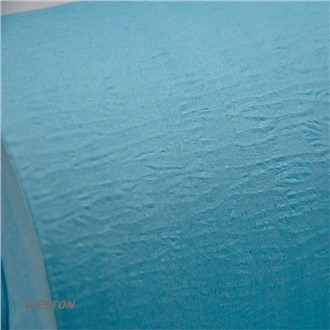
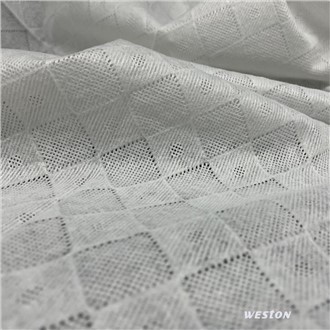
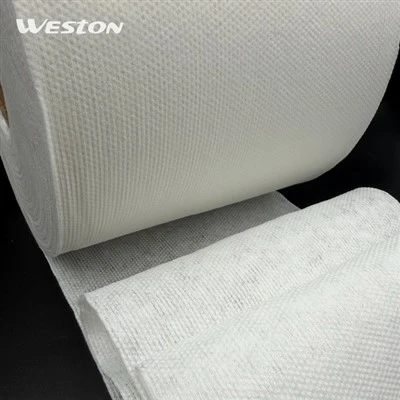
Spunlace Nonwoven for Medical Tape Roll | Soft, Breathable, Skin-Friendly Backing
You might grab a medical tape roll for a small cut or post-injection care and never think about its backing-after all, the adhesive is what "does the work," right? But here's a critical truth: the backing of medical tape shapes how comfortable it feels, how well your skin breathes, and even whether it irritates your skin over time. For anyone who's dealt with red, itchy skin after removing tape, or a stiff backing that won't move with a joint, the solution lies in a material you might not know by name: Spunlace Nonwoven For Medical Tape Roll. Let's break down why this nonwoven is revolutionizing medical tape-and how it works, from science to real use.
The Science Behind Spunlace Nonwoven: Why It's Different from "Regular" Tape Backing
To understand why spunlace nonwoven stands out, we first need to unpack how it's made-because its manufacturing process is the secret to its softness, breathability, and skin-friendliness. Unlike traditional nonwovens (think stiff, scratchy fabric used in some disposable products), spunlace nonwoven is created with a water-jet entanglement process-no heat, no chemical binders, just high-pressure water.
Here's the step-by-step science: Manufacturers start with fine fibers (often a blend of natural materials like cotton or synthetic ones like polyester). These fibers are laid out in a loose web, then hit with tiny, high-velocity water jets. The force of the water pushes the fibers into each other, tangling them in a random, three-dimensional pattern-like weaving, but without threads. This entanglement creates a fabric that's strong but flexible, because the fibers aren't glued or melted together (which would stiffen them).
Why does this matter for medical tape? Chemical binders or heat-bonded fibers can leave residues on skin or create a rigid surface that rubs. Spunlace nonwoven's fiber-only structure means it's inherently soft-think of the difference between a cotton towel and a plastic-backed wipe. It also creates millions of tiny, interconnected pores: these pores let air flow through (critical for skin health) and trap moisture just enough to stay comfortable, not enough to cause sweat buildup.
Matching Medical Tape's Core Needs: Softness, Breathability, Skin-Friendliness
Medical tape isn't just for holding bandages-it's in contact with some of the body's most sensitive skin: the area around wounds, injections, or IV sites. Let's break down how spunlace nonwoven meets each of these non-negotiable needs, using science and real-world use cases.
1. Softness: More Than "Comfort"-It's About Skin Protection
Softness isn't a "nice-to-have" for medical tape backing; it's a necessity. When tape is applied to fragile skin (like a child's arm or an elderly person's thin skin), a rough backing can cause friction, leading to micro-tears or irritation. Spunlace nonwoven's water-tangled fibers create a surface that's smooth to the touch-even when stretched. For example, if you apply tape over a joint (like your wrist), a stiff backing would pull or bunch; spunlace nonwoven moves with your skin, reducing rubbing and discomfort.

2. Breathability: Why Airflow Matters for Wound Healing
Your skin needs to breathe to stay healthy-especially when it's recovering. If tape backing traps moisture (sweat, wound exudate), it creates a warm, damp environment where bacteria can grow, slowing healing or causing infections. Spunlace nonwoven's porous structure solves this: studies show it has a porosity rate of 70-90% (depending on fiber blend), meaning air can circulate freely between the tape and your skin. This keeps the area dry, supports the skin's natural barrier, and reduces the risk of "tape rash" (a common irritant contact dermatitis).
3. Skin-Friendliness: No Residue, No Irritation
The biggest complaint about medical tape? Skin irritation. Many traditional backings use chemical adhesives or binders that leach into the skin, triggering redness, itching, or even allergic reactions. Spunlace nonwoven avoids this entirely: because it's made with fiber entanglement (no extra chemicals), it has a low hypoallergenic profile. Even people with sensitive skin (like those with eczema) often tolerate spunlace-backed tape better than other options. Weston Nonwoven factory, for example, optimizes its spunlace process to use ultra-fine fibers, further reducing the risk of skin irritation in products like Cotton Nonwoven Fabric For Medical Use-a material that combines spunlace's benefits with cotton's natural skin affinity.
Pros and Cons of Spunlace Nonwoven for Medical Tape: A Balanced View
No material is perfect, so let's be honest about what spunlace nonwoven does well-and where it has limits. This clarity helps you understand why it's the right choice for most medical uses while acknowledging rare edge cases.
Pros: The Unbeatable Benefits
Superior comfort and flexibility: As we've covered, it moves with skin, making it ideal for joints (think: an athlete's knee or a nurse's wrist).
Strong yet gentle: The water-tangled fibers are surprisingly durable-they won't tear easily when you remove the tape, but they're soft enough for delicate areas.
Compatible with medical adhesives: Spunlace nonwoven's surface holds adhesive well, so the tape stays in place without peeling-critical for wound care or IVs.
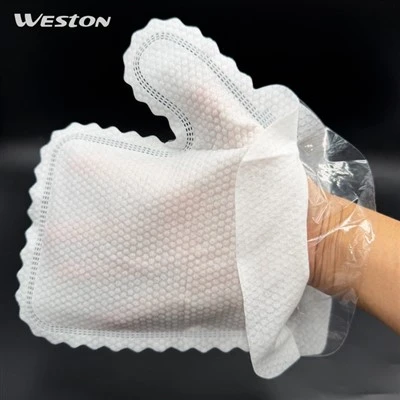
Versatile beyond tape: It's the same material used in Antiseptic Wipes For Skin (because it absorbs disinfectant evenly and won't scratch skin) and Breathable Adhesive Bandages (where its porosity keeps cuts from getting muggy).
Cons: The Rare Trade-Offs
Lower solvent resistance: If the tape is exposed to strong chemicals (like industrial-grade disinfectants, not the mild ones used in clinics), the fibers can weaken over time. This is almost never an issue for standard medical use, though.
Slightly higher production cost: The water-jet process is more complex than making heat-bonded nonwovens, so spunlace-backed tape may cost a bit more. But this cost is offset by fewer skin irritations, less tape replacement (since it stays on better), and happier patients.
How to Spot Quality Spunlace Medical Tape: Practical Tips
Now that you know the science, how do you choose a good spunlace medical tape roll? Here are simple tests you can do at home or in a clinic:
Check softness: Run the backing between your fingers-if it feels rough or stiff, it's not high-quality spunlace.
Test breathability: Press a small piece against your inner arm for 5 minutes. If your skin feels sweaty or clammy afterward, it's not porous enough.
Look for skin-friendly cues: If the packaging mentions "hypoallergenic" or "spunlace," that's a good sign. Products like Weston's Spunlace Nonwoven For Medical Tape Roll often highlight these traits.
Try it on a small area: Before using it on a wound, apply a tiny piece to your forearm. If you don't see redness or feel itching after 24 hours, it's safe for you.

Why Spunlace Nonwoven Is Here to Stay (And Where It's Going Next)
Spunlace nonwoven isn't a "trend"-it's a material that solves real problems in medical care. As healthcare focuses more on patient comfort and skin safety, demand for spunlace-backed products will only grow. Future innovations will likely make it even better: think more eco-friendly fibers (like recycled polyester) or even "smart" spunlace that changes color if a wound gets infected.
For those who want to experience the difference firsthand-whether for a clinic, a home first-aid kit, or a medical product line-Weston Nonwoven factory offers solutions tailored to medical needs. From Spunlace Nonwoven For Medical Tape Roll to Antiseptic Wipes For Skin, their products prioritize the same science-backed softness, breathability, and skin-friendliness we've explored here. If you'd like to test these materials for yourself, you can request a free sample by reaching out to Weston via info@westonmanufacturing.com.
At the end of the day, medical tape's backing is a small detail that makes a big difference. Spunlace nonwoven turns a simple tool into something that's gentle on your skin, supportive of healing, and easy to live with-proving that sometimes, the best innovations are the ones that work quietly, behind the scenes.