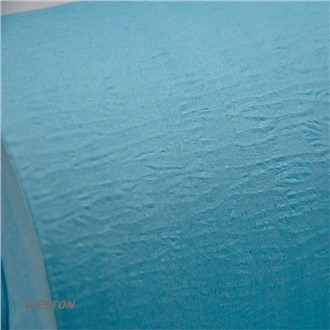
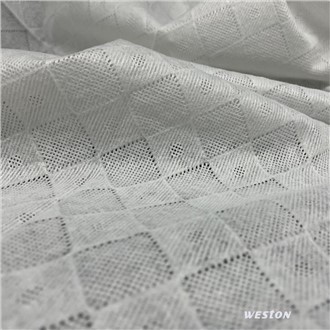
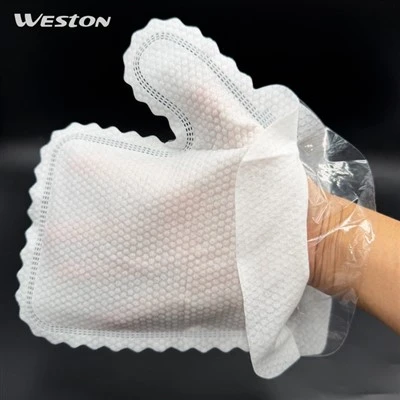
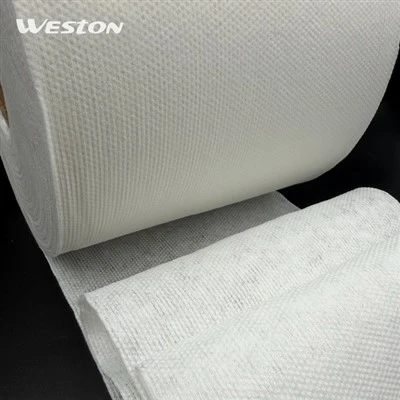
In the intricate ecosystem of healthcare, where every component plays a role in safeguarding life and preventing infection, medical non woven fabric stands as an unsung hero. Unlike traditional woven or knitted fabrics, this material is not formed by interlacing yarns but by bonding fibers through mechanical, thermal, or chemical processes-an innovation that has redefined the standards of safety, hygiene, and efficiency in medical settings. From the sterile wraps that protect surgical instruments to the protective clothing shielding frontline medical staff from pathogens, medical non woven fabric is more than a "material"; it is a critical barrier between harm and healing. This article delves into its technical core, performance demands, real-world applications, and future directions, uncovering why it has become indispensable to modern medicine.
1. The Technical Essence of Medical Non Woven Fabric: Beyond "Fabric" Definition
To understand medical non woven fabric, we must first break free from the conventional understanding of "fabric" as a woven structure. Medical non woven fabric is a fibrous assembly engineered for specific medical functions, with fiber selection, bonding methods, and structural design all tailored to meet the strictest biological and physical standards.
At its core, the production of medical non woven fabric begins with the choice of raw materials, among which polypropylene (PP) is the most prevalent. PP fibers offer inherent advantages: they are lightweight, chemical-resistant, and possess excellent biocompatibility-meaning they rarely trigger allergic reactions when in contact with human skin or tissues. This is particularly critical for materials like Maternity Pads After Birth, where prolonged skin contact is inevitable. Unlike natural fibers (such as cotton) that absorb moisture and harbor bacteria, PP-based non wovens repel liquid while allowing air circulation, a balance that reduces the risk of postpartum infections and skin irritation.
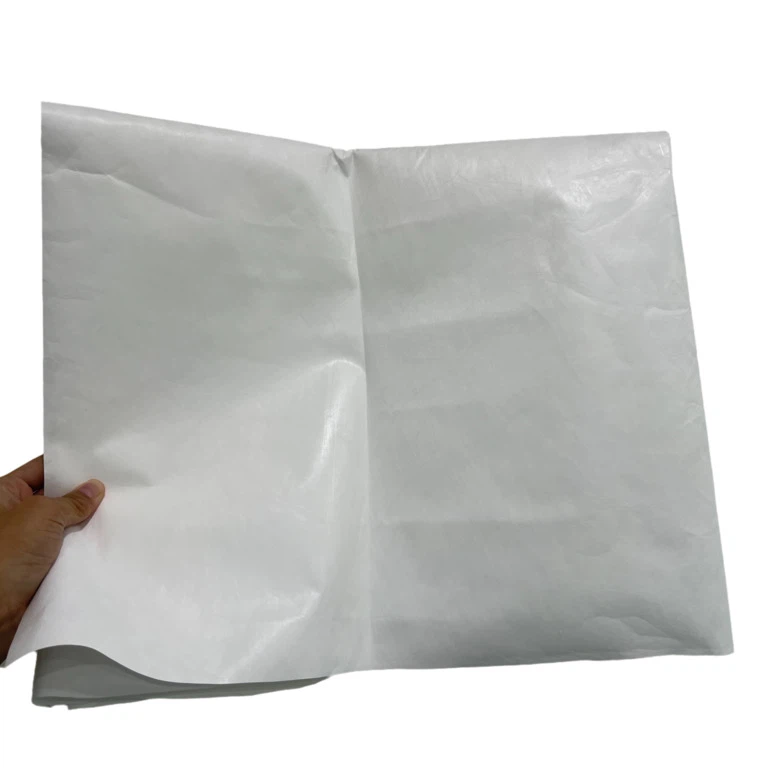
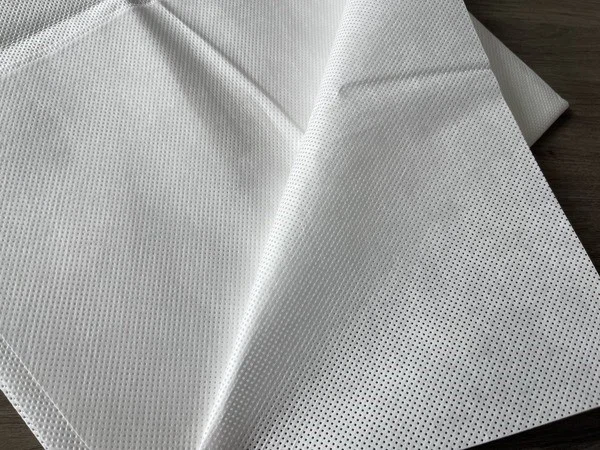
The bonding process further distinguishes medical non wovens from ordinary textiles. Common methods include needle-punching (mechanical bonding), thermal bonding, and spunbonding-each yielding unique properties. For instance, spunbonding produces strong, uniform webs ideal for Nonwoven Medical Protective Clothing Fabric, as it creates a dense yet breathable structure that blocks droplets and aerosols without compromising wearer comfort. Thermal bonding, on the other hand, uses heat to fuse fibers at specific points, resulting in a material with controlled porosity-perfect for Medical Wrapping Nonwoven Fabric, where porosity determines the ability to maintain sterility by preventing microbial penetration while allowing ethylene oxide (a common sterilizing agent) to diffuse during processing.
Notably, Medical Grade PP Meltblown Fabric represents the pinnacle of medical non woven technology. Produced by extruding molten PP through ultra-fine nozzles, then stretching the polymer into microfibers (as thin as 1-5 micrometers), this fabric forms a porous network with extraordinary filtration capabilities. The microfibers create a maze-like structure that traps even tiny particles-including bacteria and viruses-through mechanical interception, inertial impaction, and electrostatic adsorption. This makes Medical Grade PP Meltblown Fabric the core material in surgical masks, N95 respirators, and air purification systems in hospitals, acting as a last line of defense against airborne pathogens.
2. Core Performance Indicators: How Medical Nonwovens Meet Rigorous Healthcare Demands
Medical settings impose unique challenges on materials: they must resist fluids, prevent microbial transmission, maintain sterility, and be compatible with human bodies-all while enduring frequent handling and, in some cases, sterilization cycles. To meet these demands, medical non woven fabric is evaluated against strict performance indicators, each directly linked to patient and staff safety.
2.1 Barrier Property: The First Line of Defense Against Infection
Infection control is the cornerstone of medical practice, and the barrier property of non wovens is non-negotiable. For Nonwoven Medical Protective Clothing Fabric, this means resisting the penetration of blood, bodily fluids, and aerosolized pathogens. Testing standards require that the fabric does not allow liquid to pass through under specified pressure (e.g., 20 kPa for level 3 protective clothing), ensuring that medical staff remain protected during procedures like surgery or emergency care. Similarly, Medical Wrapping Nonwoven Fabric must maintain a sterile barrier for extended periods-often up to 6 months when stored properly-preventing contaminants from reaching surgical instruments before use. This is achieved through a combination of dense fiber structure and, in some cases, a thin polymer coating that enhances liquid resistance without reducing breathability.
2.2 Sterility and Sterilization Compatibility
Unlike consumer non wovens, medical non wovens must be supplied in a sterile state-and retain that sterility until opened. This requires not only a sterile production environment (such as cleanrooms with HEPA filtration) but also fabric compatibility with common sterilization methods. Ethylene oxide (EO) sterilization is widely used because it penetrates non woven structures effectively and leaves no toxic residues when properly aerated. Medical Grade PP Meltblown Fabric and Maternity Pads After Birth are both EO-compatible, as PP is chemically stable under EO exposure. Gamma radiation sterilization is another option, though it requires careful control to avoid weakening the fiber structure- a challenge that manufacturers like Weston Nonwoven address by optimizing PP resin formulations to enhance radiation resistance.
2.3 Biocompatibility: Safety for Human Contact
Materials that touch human skin or tissues (such as Maternity Pads After Birth or wound dressings) must meet stringent biocompatibility standards. This includes testing for skin irritation, sensitization, and cytotoxicity (the ability to harm living cells). Medical non wovens made from PP excel here: PP is inert, meaning it does not release harmful chemicals or trigger immune responses. For Maternity Pads After Birth, this is particularly important, as postpartum skin is often sensitive and prone to irritation. Weston Nonwoven, for example, enhances biocompatibility by using ultra-pure PP resins and eliminating residual chemicals during production, ensuring that the fabric is safe for even prolonged contact with delicate skin.
2.4 Mechanical Strength and Durability
Medical non wovens must withstand physical stress without tearing or shedding fibers- a critical requirement for Nonwoven Medical Protective Clothing Fabric, which may be stretched or rubbed during movement, or Medical Wrapping Nonwoven Fabric, which is folded and unfolded multiple times before use. Tensile strength (resistance to pulling) and tear strength are key metrics here. Spunbonded non wovens, with their continuous fiber structure, offer high tensile strength, while meltblown fabrics (though excellent for filtration) are often laminated with spunbonded layers to improve durability. This "spunbond-meltblown-spunbond (SMS)" composite structure is common in Nonwoven Medical Protective Clothing Fabric, combining the barrier property of meltblown with the strength of spunbond to create a material that is both protective and long-lasting.
3. Scene-Specific Applications: From Surgical Suites to Postpartum Care
The versatility of medical non woven fabric lies in its ability to be customized for diverse medical scenarios. Each application leverages specific properties of the fabric, ensuring that it meets the unique needs of patients, 医护人员 (medical staff), and medical procedures.
3.1 Surgical Protection: Medical Wrapping Nonwoven Fabric and Sterile Barriers
In surgical suites, maintaining a sterile field is critical to preventing surgical site infections (SSIs)-a major cause of patient morbidity and mortality. Medical Wrapping Nonwoven Fabric is the primary material used to wrap surgical instruments, drapes, and gowns, as it offers superior sterile retention compared to traditional cotton wraps. Cotton, with its woven structure, has larger pores that can allow microbial penetration over time; in contrast, Medical Wrapping Nonwoven Fabric has a random fiber network that creates a more effective barrier. Additionally, non woven wraps are lighter, more flexible, and less likely to lint-lint can contaminate surgical wounds, making non wovens a safer choice. Weston Nonwoven's Medical Wrapping Nonwoven Fabric further enhances this safety by incorporating a "sterility indicator" dye that changes color when exposed to sterilization, providing clear confirmation that the contents are sterile.
3.2 Frontline Protection: Nonwoven Medical Protective Clothing Fabric
During pandemics (such as COVID-19) or in settings with high infection risks (like intensive care units or isolation wards), Nonwoven Medical Protective Clothing Fabric is essential for safeguarding medical staff. This fabric is designed to be liquid-proof, aerosol-resistant, and breathable- a balance that is difficult to achieve with other materials. For example, waterproof fabrics like plastic are not breathable, leading to heat stress and discomfort during long shifts; Nonwoven Medical Protective Clothing Fabric, however, uses a combination of spunbond and meltblown layers to repel liquids while allowing water vapor (from sweat) to escape. This breathability is critical for reducing fatigue and ensuring that medical staff can wear the clothing for extended periods. Weston Nonwoven's Nonwoven Medical Protective Clothing Fabric also features reinforced seams and elastic cuffs to eliminate gaps where pathogens could enter, further enhancing protection.
3.3 Postpartum Care: Maternity Pads After Birth
Postpartum recovery is a vulnerable period for women, with a high risk of infection and skin irritation. Maternity Pads After Birth made from medical non woven fabric address these risks by combining high absorbency, breathability, and biocompatibility. Unlike disposable sanitary pads (which are designed for lighter flow and lack medical-grade standards), Maternity Pads After Birth have a multi-layer structure: a top layer of soft, non-irritating non woven fabric that wicks moisture away from the skin; a middle layer of super-absorbent polymer (SAP) that locks in fluid (preventing leaks and reducing the need for frequent changes); and a bottom layer of liquid-proof non woven fabric that prevents leakage onto clothing. The breathability of the non woven layers is particularly important- it reduces moisture buildup, which can lead to bacterial growth and yeast infections. Weston Nonwoven's Maternity Pads After Birth also use a hypoallergenic adhesive to secure the pad in place without irritating the skin, enhancing comfort during recovery.
3.4 Respiratory Protection: Medical Grade PP Meltblown Fabric
Respiratory infections (such as influenza or COVID-19) spread primarily through airborne droplets and aerosols, making respiratory protection a top priority in healthcare. Medical Grade PP Meltblown Fabric is the core material in surgical masks and N95 respirators, as it can filter out up to 95% (or more) of particles as small as 0.3 micrometers-smaller than most bacteria and viruses. The key to this filtration efficiency is the microfiber structure: the ultra-fine fibers create a large surface area and a tortuous path for air, trapping particles through multiple mechanisms. Additionally, Medical Grade PP Meltblown Fabric is often treated with an electrostatic charge, which attracts and holds even smaller particles (like viruses) through electrostatic adsorption. This charge remains effective even when the fabric is slightly damp (from exhaled breath), ensuring consistent protection. Weston Nonwoven's Medical Grade PP Meltblown Fabric is produced with tight control over fiber diameter (1-3 micrometers) and porosity, ensuring that it meets the strict standards for medical respiratory protection.
4. Advantages and Challenges: A Comprehensive View of Medical Nonwoven Development
Like any technology, medical non woven fabric has distinct advantages that have driven its adoption, as well as challenges that the industry continues to address. A balanced understanding of both is essential for appreciating its role in healthcare and guiding future innovation.
4.1 Key Advantages: Why Medical Nonwovens Outperform Traditional Materials
Superior Hygiene: Medical non wovens are produced in sterile environments and are often single-use, eliminating the risk of cross-contamination from reusable materials (like cotton gowns, which can harbor bacteria even after laundering). Single-use Nonwoven Medical Protective Clothing Fabric and Medical Wrapping Nonwoven Fabric ensure that each patient or procedure uses a fresh, sterile material, reducing the spread of infections.
Customizability: Non woven fabrics can be engineered to meet specific needs- for example, Maternity Pads After Birth can be designed with varying absorbency levels for different stages of postpartum recovery, while Medical Grade PP Meltblown Fabric can be adjusted to have higher or lower filtration efficiency depending on the application (e.g., higher efficiency for N95 respirators, lower for general surgical masks).
Cost-Effectiveness: While the upfront cost of medical non wovens may be higher than cotton, their single-use nature eliminates the need for laundering, repair, and storage of reusable materials. Laundering cotton gowns, for instance, requires energy, water, and harsh chemicals (to sterilize), which add to long-term costs. Medical non wovens also reduce the risk of SSIs and other infections, which are extremely costly to treat- making non wovens a cost-effective choice in the long run.
Lightweight and Comfortable: Compared to heavy, rigid materials (like rubber or plastic), medical non wovens are lightweight and flexible. Nonwoven Medical Protective Clothing Fabric is easy to move in, and Maternity Pads After Birth are thin and discreet, enhancing patient and staff comfort.
4.2 Ongoing Challenges: Addressing Limitations for Future Improvement
Environmental Impact: Most medical non wovens are made from petroleum-based polymers (like PP) and are single-use, leading to plastic waste. This is a significant concern, as healthcare generates millions of tons of plastic waste annually. The industry is responding by developing biodegradable medical non wovens (using materials like polylactic acid, or PLA) and recycling programs for non contaminated non wovens. Weston Nonwoven, for example, is researching PLA-based Medical Grade PP Meltblown Fabric that breaks down in industrial composting facilities, reducing environmental harm.
Durability in Reusable Scenarios: While single-use non wovens are hygienic, there is growing interest in reusable medical non wovens to reduce waste. However, reusable non wovens must withstand multiple sterilization cycles without losing performance- a challenge for Nonwoven Medical Protective Clothing Fabric, which may weaken after repeated gamma radiation or EO exposure. Manufacturers are addressing this by developing more durable fiber blends and coating technologies that protect the fabric during sterilization.
Filtration Efficiency Under Extreme Conditions: Medical Grade PP Meltblown Fabric performs well under normal conditions, but its filtration efficiency can decrease when exposed to high humidity or oil-based aerosols (like those from certain medical procedures). This is because oil can neutralize the electrostatic charge on the fibers, reducing their ability to trap particles. The industry is developing oil-resistant meltblown fabrics by coating the fibers with a hydrophobic (water-repellent) and oleophobic (oil-repellent) layer, ensuring consistent performance in all settings.
5. Future Trends: Innovation Directions of Medical Nonwoven Fabric
As healthcare evolves- with a growing focus on personalized medicine, infection prevention, and sustainability- medical non woven fabric is poised to undergo significant innovation. These trends will further enhance its role as a critical component of modern healthcare.
5.1 Smart Medical Nonwovens: Integrating Technology for Enhanced Care
The future of medical non wovens lies in "smart" materials that can monitor and respond to patient needs. For example, Maternity Pads After Birth could incorporate moisture-sensing non woven fibers that send a signal to a mobile app when the pad needs to be changed, reducing the risk of skin irritation and infection. Similarly, Nonwoven Medical Protective Clothing Fabric could include temperature-sensing fibers that alert medical staff when they are at risk of heat stress, helping to prevent fatigue. Weston Nonwoven is exploring these possibilities by partnering with tech companies to integrate conductive fibers into medical non wovens, creating materials that are both protective and informative.
5.2 Sustainable Materials: Reducing Environmental Footprint
Sustainability will be a key driver of innovation in medical non wovens. This includes the use of bio-based polymers (like PLA from corn starch or cellulose from wood pulp) for Medical Grade PP Meltblown Fabric and Medical Wrapping Nonwoven Fabric, as well as the development of compostable non wovens that break down naturally after use. Additionally, the industry is exploring "circular economy" models, where non contaminated medical non wovens are collected, sterilized, and recycled into new products (such as packaging materials). These efforts will reduce the environmental impact of medical non wovens while maintaining their safety and performance.
5.3 Advanced Filtration Technologies: Protecting Against Emerging Threats

As new pathogens (like novel viruses) emerge, the demand for higher-performance filtration materials will grow. Medical Grade PP Meltblown Fabric will be enhanced with nanotechnology- for example, coating microfibers with silver nanoparticles, which have antimicrobial properties, to kill bacteria and viruses trapped in the fabric. This will not only improve filtration efficiency but also reduce the risk of cross-contamination from used masks or respirators. Additionally, manufacturers will develop "multi-layered" filtration systems, combining meltblown fabric with other non woven materials (like activated carbon) to filter out volatile organic compounds (VOCs) or chemical contaminants, expanding the use of medical non wovens in hazardous environments.
Medical non woven fabric is more than a material-it is a testament to how engineering and healthcare can collaborate to save lives. From the Medical Wrapping Nonwoven Fabric that protects surgical instruments to the Nonwoven Medical Protective Clothing Fabric that shields frontline workers, from the Maternity Pads After Birth that support postpartum recovery to the Medical Grade PP Meltblown Fabric that filters out pathogens, this technology has become an integral part of modern medicine. As the industry addresses challenges like sustainability and durability, and embraces innovations like smart materials and nanotechnology, medical non woven fabric will continue to evolve- ensuring that healthcare remains safer, more efficient, and more compassionate for generations to come. Weston Nonwoven, as a participant in this evolution, remains committed to advancing medical non woven technology, but the true value of this material lies not in any single brand, but in its ability to serve the global healthcare community-one fiber at a time.