Spunlace: A Fundamental Understanding
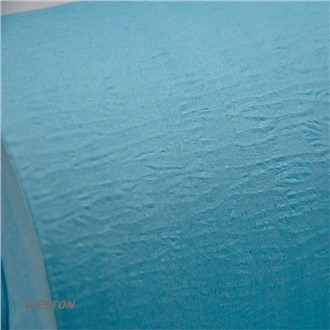
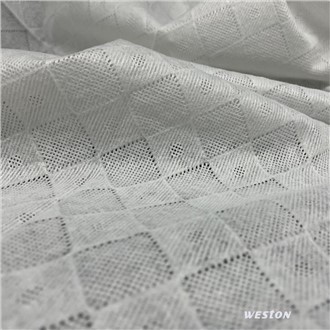
Spunlace nonwovens represent a sophisticated category of engineered fabrics crafted through a unique manufacturing process. Unlike traditional woven or knitted textiles, spunlace materials are constructed by entangling fibers using high-pressure water jets. This mechanical bonding method eliminates the need for chemical adhesives or thermal bonding, resulting in fabrics with distinct characteristics such as softness, breathability, and high tensile strength.
The production process of spunlace nonwovens involves several key stages. First, fibers are opened and blended to create a uniform web. This web is then subjected to intense water jets, which cause the fibers to interlock and form a cohesive structure. The pressure and pattern of the water jets can be adjusted to achieve specific fabric properties, making spunlace a versatile option for a wide range of applications.
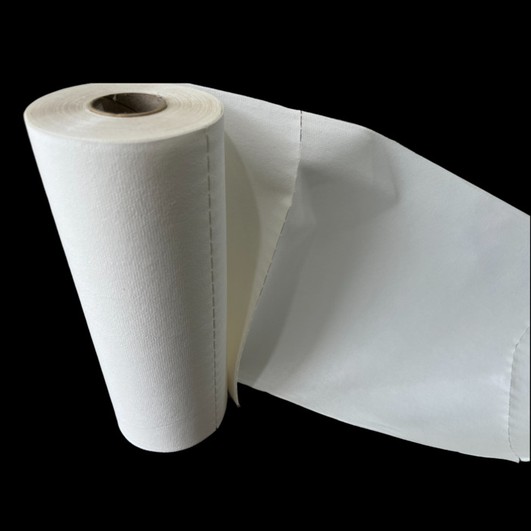
Spunlace nonwovens are available in a diverse array of material compositions, each influencing the fabric's performance and environmental profile. Common materials include natural fibers like cotton and bamboo, as well as synthetic fibers such as polyester and polypropylene. Additionally, blended fibers combining natural and synthetic components are also prevalent, offering a balance of desirable traits.
The Recyclability of Spunlace: A Multifaceted Analysis
Material Composition and Its Impact
The recyclability of spunlace nonwovens is primarily determined by their material composition. Natural fiber-based spunlaces, such as those made from unbleached 100% cotton, exhibit promising recyclability potential. Cotton, being a biodegradable material, can be broken down through biological processes, and recycled cotton fibers can be incorporated into new textile products. Similarly, bamboo dinner napkins, crafted from bamboo fibers, are biodegradable and can be composted under appropriate conditions, contributing to a circular economy.
Synthetic fiber-based spunlaces, on the other hand, present more significant challenges in recycling. Polyester and polypropylene spunlaces are derived from petroleum-based resources and are non-biodegradable. Their recycling typically involves mechanical processes such as shredding and melting, which can degrade the fiber quality over multiple recycling cycles. Moreover, the presence of additives, dyes, or finishes in synthetic spunlaces can complicate the recycling process, reducing the efficiency and quality of the recycled material.
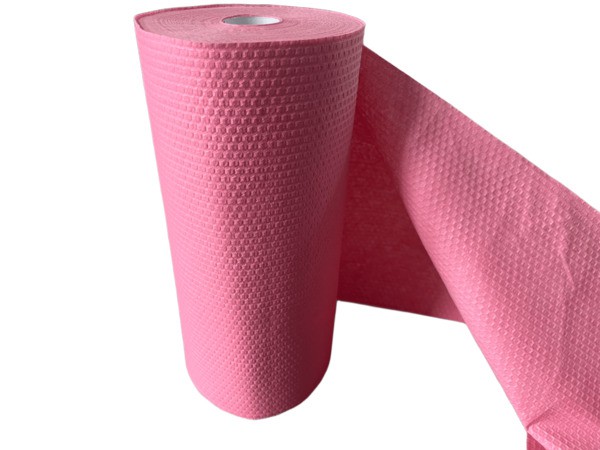
Blended fiber spunlaces add another layer of complexity to recyclability. The different fiber types in blends may have incompatible recycling requirements, making separation a costly and technically demanding task. For instance, a blend of cotton and polyester spunlace would require separation before each fiber type can be recycled effectively, which is currently not economically feasible on a large scale.
Recycling Technologies and Limitations
Current recycling technologies for textiles, including spunlaces, can be categorized into mechanical, chemical, and biological processes. Mechanical recycling is the most widely used method, involving the shredding and reprocessing of textile waste into new fibers. However, this method is more suitable for homogeneous materials and can lead to fiber shortening and weakened properties, limiting the quality of the recycled product.
Chemical recycling offers a potential solution for more complex spunlace compositions. This process involves breaking down the fibers into their chemical monomers, which can then be used to produce new fibers. While chemical recycling can handle blended fibers and maintain fiber quality, it is currently expensive and energy-intensive, making it less commercially viable for large-scale applications.
Biological recycling, such as composting, is applicable to biodegradable spunlaces like those made from bamboo or cotton. Under controlled conditions, these materials can decompose into natural substances, returning nutrients to the soil. However, the presence of synthetic components or non-biodegradable additives can hinder the composting process, reducing its effectiveness.
Application Scenarios: Recycling Challenges and Opportunities
Medical and Hygiene Sector
Spunlace nonwovens are extensively used in the medical and hygiene industry, including products like surgical gowns, wipes, and diapers. These applications often require the use of synthetic fibers or blended fibers to meet stringent performance standards such as liquid resistance and sterility. The contamination of these products with bodily fluids or chemicals further complicates their recycling, as proper cleaning and disinfection are necessary before recycling, increasing costs and logistical challenges.
Industrial and Environmental Applications
In industrial settings, spunlaces find use in products such as efficient oil spill cleanup nonwoven cloths. These materials are designed to absorb oil and other liquids, often incorporating synthetic fibers for enhanced absorption capacity and durability. After use, the oil-saturated cloths pose challenges in recycling, as the presence of oil requires specialized treatment processes to separate the fiber from the contaminant. However, ongoing research is exploring methods to extract and reuse both the fibers and the absorbed oil, offering potential recycling opportunities.
Household and Consumer Goods
Household products like bamboo dinner napkins and various cleaning wipes are commonly made from spunlace nonwovens. Bamboo-based products, in particular, have gained popularity due to their biodegradability. When properly disposed of in composting facilities, these napkins can decompose efficiently. However, in regular waste streams, they may end up in landfills, where the lack of oxygen and moisture slows down the biodegradation process.
100% viscose spunlace nonwoven fabric rolls, used in a range of consumer goods, offer a mixed picture in terms of recyclability. Viscose, a regenerated cellulose fiber, is biodegradable, but the manufacturing process involves chemicals that may affect its environmental impact. Recycling viscose spunlaces can be done through mechanical or chemical processes, but the availability of recycling infrastructure remains a limiting factor.
Towards a More Sustainable Future for Spunlace
The recyclability of spunlace nonwovens is not a straightforward yes or no answer but rather a complex issue influenced by material composition, manufacturing processes, application scenarios, and available recycling technologies. To enhance the recyclability of spunlace, a multi-faceted approach is necessary.
Manufacturers can play a crucial role by designing spunlace products with recyclability in mind. This includes using more homogeneous materials, minimizing the use of additives and finishes, and clearly labeling products to indicate their material composition and proper disposal methods. Weston, for instance, offers a range of spunlace products such as 100% viscose spunlace nonwoven fabric rolls and bamboo dinner napkins, which are designed with sustainability considerations.
Investment in research and development of advanced recycling technologies is also essential. Improvements in chemical recycling processes could make them more cost-effective and energy-efficient, enabling the recycling of blended and contaminated spunlace products. Additionally, the development of biodegradable synthetic fibers could bridge the gap between performance and recyclability.
Consumers also have a part to play by properly disposing of spunlace products and supporting brands that prioritize sustainability. By choosing products made from recyclable or biodegradable materials and participating in recycling programs, consumers can drive demand for more sustainable spunlace options.
For those interested in exploring sustainable spunlace solutions, Weston offers a variety of products designed with environmental considerations in mind. To learn more or to request a free sample, please contact info@westonmanufacturing.com.