Non-woven fabrics have gained significant traction across various industries due to their versatility, cost-effectiveness, and unique properties. This article will delve into the characteristics that define non-woven fabrics, the methods for their identification, and the benefits and limitations associated with their use.
Understanding Non-Woven Fabric
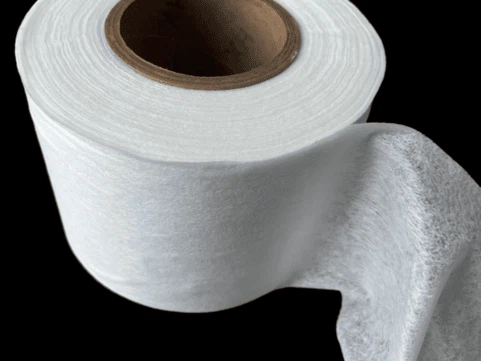
Non-woven fabric is created by bonding fibers together through mechanical, thermal, or chemical processes, rather than weaving or knitting them. This method produces a fabric that is often more porous and flexible than traditional woven textiles. The production process can involve a variety of raw materials, including synthetic fibers like polyester and biodegradable options such as organic cotton or bamboo fiber.

Characteristics of Non-Woven Fabric
Composition:
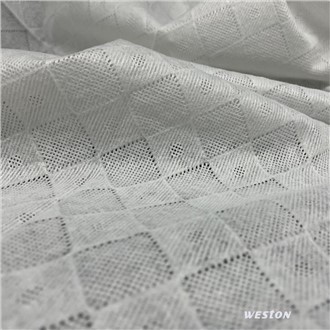
Non-woven fabrics can be made from various fibers, including polypropylene, polyester, and organic materials. For instance, products like organic cotton gauze rolls exemplify the use of natural fibers in non-woven applications.
Texture and Feel:
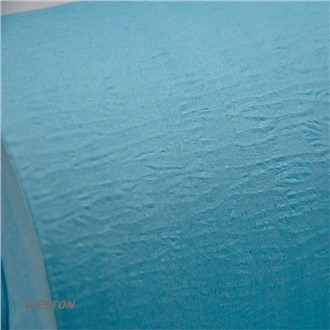
The texture of non-woven materials varies significantly. Some products may have a soft, fabric-like feel, while others can be more rigid or paper-like. The tactile quality can often be an indicator of the intended use; for example, bamboo fiber sheet mask material is designed to be gentle on the skin.
Strength and Durability:
Non-woven fabrics typically exhibit high tensile strength, making them suitable for applications such as packaging materials. Materials like 75% PLA packaging materials showcase how non-woven technology can be leveraged for sustainable packaging solutions.
Porosity:
One of the defining features of non-woven fabrics is their ability to allow air and moisture to pass through. This is particularly important in medical applications, such as antiseptic wipes for skin, where breathability can enhance comfort and efficacy.
Absorbency:
Many non-woven fabrics are designed to be absorbent, making them ideal for hygiene products and medical applications. The absorbent nature is a crucial factor in their identification.
Methods of Identification
Identifying non-woven fabric can be achieved through various tests and observations. Below are some effective methods:
Visual Inspection:
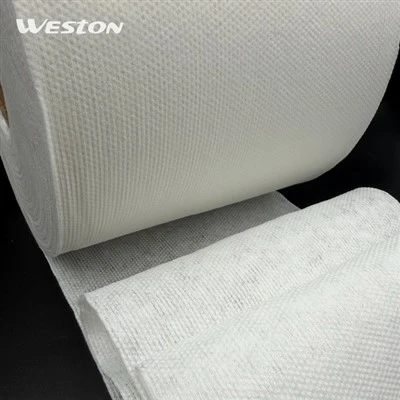
A close visual examination can reveal the fabric's structure. Non-woven fabrics often have a uniform appearance without the distinct patterns seen in woven textiles.
Burn Test:
Performing a burn test can help identify the fiber content. Non-woven fabrics will typically burn differently based on their composition. For example, synthetic fibers melt and produce a black smoke, while natural fibers burn cleanly and smell like burning paper.
Water Test:
Dropping water onto the fabric can indicate its absorbency. Non-woven materials often absorb water quickly, while woven fabrics may repel it initially.
Touch Test:
The tactile sensation can also help in identification. Non-woven fabrics might feel softer or more pliable compared to their woven counterparts.
Microscopic Analysis:
For a more scientific approach, a microscopic examination can reveal the fiber arrangement. Non-woven fabrics typically display a random fiber orientation, unlike the organized structure of woven fabrics.
Benefits of Non-Woven Fabrics
Versatility:
Non-woven fabrics can be tailored for a multitude of applications across various sectors, including healthcare, hygiene, and packaging.
Cost-Effectiveness:
The production process of non-woven fabrics is often less expensive than that of woven fabrics, making them a cost-effective solution for many industries.
Eco-Friendly Options:
With growing environmental concerns, non-woven fabrics made from biodegradable materials, such as organic cotton and bamboo fiber, are becoming increasingly popular.
Lightweight and Breathable:
The lightweight nature and breathability of non-woven fabrics make them ideal for personal care products, ensuring comfort during use.
Customizability:
Non-woven fabrics can be easily customized in terms of thickness, texture, and strength, allowing for a wide range of product specifications.
Limitations of Non-Woven Fabrics

Durability:
While non-woven fabrics can be strong, they may not offer the same durability as traditional woven fabrics in certain applications, particularly where heavy wear is expected.
Limited Reusability:
Many non-woven products are designed for single-use, which can contribute to waste if not managed properly.
Chemical Sensitivity:
Depending on the materials used, some non-woven fabrics may be sensitive to chemicals, limiting their use in certain environments.
Appearance:
Non-woven fabrics may lack the aesthetic appeal of woven textiles, which can be a drawback in fashion or design-oriented applications.
Potential for Fraying:
Non-woven fabrics can fray or be less stable at the edges compared to woven fabrics, which can affect product performance.
Applications of Non-Woven Fabrics
Non-woven fabrics are utilized in a wide array of applications, making their impact felt across various industries. Here are some major applications:
Medical Supplies:
Non-woven fabrics are integral in the medical field, used in products such as surgical gowns, masks, and antiseptic wipes for skin. Their breathability and absorbency are crucial for maintaining hygiene and comfort during medical procedures.
Hygiene Products:
Products like diapers, feminine hygiene items, and adult incontinence products benefit from the absorbent qualities of non-woven fabrics. Their softness and comfort make them particularly suitable for direct contact with the skin.
Packaging Solutions:
The use of non-woven fabrics in packaging is on the rise, particularly with sustainable options like 75% PLA packaging materials. These materials provide an eco-friendly alternative to traditional packaging, reducing plastic waste and promoting sustainability.
Personal Care:
Non-woven fabrics play a crucial role in personal care products. For instance, bamboo fiber sheet masks offer a gentle and effective way to deliver skincare treatments, showcasing the versatility of non-woven technology in beauty applications.
Geotextiles:
In construction and civil engineering, non-woven fabrics are used as geotextiles for soil stabilization, erosion control, and drainage. Their ability to allow water to pass while retaining soil particles makes them invaluable in landscaping and infrastructure projects.
Household Products:
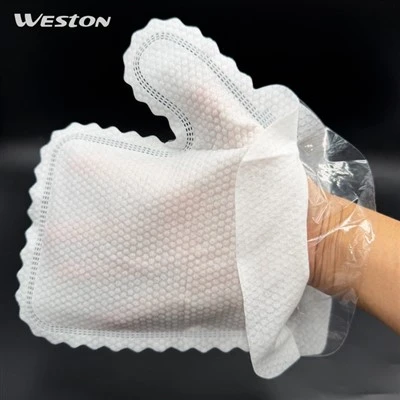
Non-woven fabrics are found in various household items, including cleaning wipes and dusters. Their absorbency and strength make them effective for everyday cleaning tasks.
Automotive Industry:
In the automotive sector, non-woven fabrics are used in interior applications such as sound insulation, upholstery, and filters. Their lightweight nature contributes to overall vehicle efficiency.
Fashion and Apparel:
Innovative designers are incorporating non-woven fabrics into fashion, utilizing their unique textures and properties for avant-garde clothing and accessories.
Future of Non-Woven Fabrics
As technology advances, the future of non-woven fabrics looks promising. Innovations in material science are likely to lead to even more sustainable and functional non-woven options. The integration of organic and biodegradable materials will drive the development of eco-friendly products that meet market demands while reducing environmental impact.
In this evolving landscape, companies like Weston are at the forefront, producing high-quality non-woven products such as organic cotton gauze rolls and providing free samples to potential buyers. For inquiries or to request samples, you can reach out at info@westonmanufacturing.com.
Non-woven fabrics represent a dynamic segment of the textile industry, combining functionality with innovation. As awareness grows regarding their benefits and applications, it is essential for professional buyers to stay informed about the best practices for identifying and utilizing these materials effectively.