The Science of Microfiber: Engineering at the Fiber Level
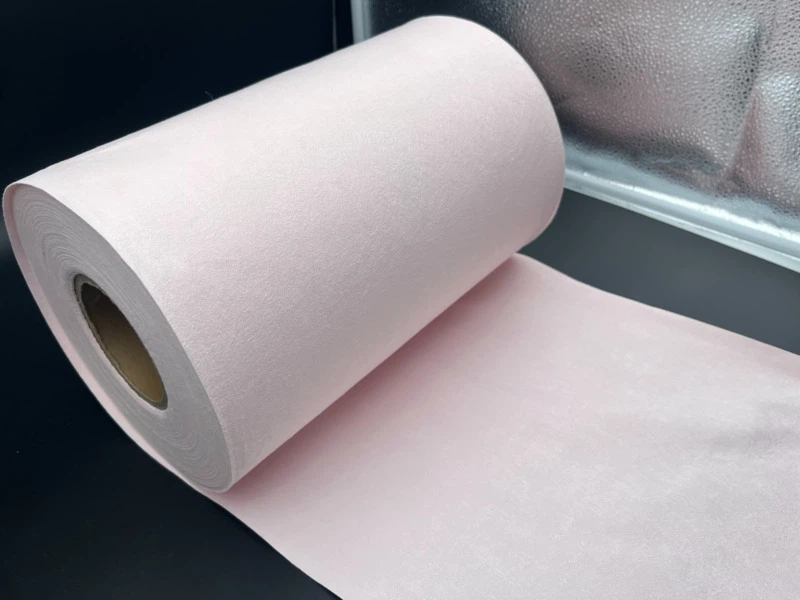
Microfiber represents a breakthrough in textile engineering, driven by its microscopic architecture. Each synthetic fiber measures just 0.2 deniers in thickness-so fine that a single strand spanning from Earth to the moon would weigh less than 5 grams. This exceptional thinness is precisely engineered to achieve what conventional cloths cannot.
The typical microfiber composition blends polyester cores with polyamide (nylon) components. The star-shaped polyester structure provides structural rigidity and scrubbing power, while polyamide fills microscopic gaps, enhancing absorbency and surface area. This dual-fiber design creates an intricate network of spaces that physically trap dirt particles rather than simply pushing them across the lens surface. When you wipe your glasses with a Microfiber Eyeglass Cleaning Cloth, you're deploying thousands of tiny mechanical traps simultaneously.
Beyond physical structure, microfiber fibers carry a positive electrical charge that attracts negatively charged dust and debris. This electrostatic property means your lenses can be cleaned effectively using only water-sometimes just the cloth alone-without chemical cleaners. Research demonstrates that microfiber can remove up to 99% of bacteria from surfaces with water alone, making it remarkably efficient for eyeglass maintenance.
Why Conventional Materials Damage Lenses
The contrast between microfiber and standard alternatives reveals why this distinction matters. Paper towels, facial tissues, and conventional terry cloth contain abrasive particles and rough fiber structures that create micro-scratches on lens surfaces. These scratches accumulate invisibly at first, gradually dulling the lens and creating permanent haze that no future cleaning can reverse.
Modern eyeglass lenses rarely consist of bare glass or plastic. Most feature multiple specialized coatings: hard-coat layers for scratch resistance, anti-reflection treatments to eliminate glare, oleophobic layers that repel skin oils, and sometimes blue-light filtering applications. While these coatings enhance vision quality and durability, they demand gentler cleaning methods than older lens designs. A hard coating provides some protection but isn't truly "anti-scratch"-it requires proper care. Microfiber cloth complements these coating systems perfectly because its delicate fiber structure cleans thoroughly without threatening the protective layers underneath.
The Dual Advantages: What Microfiber Does Right
The effectiveness of microfiber cloth stems from two complementary mechanisms working in concert. First, the fiber geometry-those microscopic star shapes and gaps-creates unprecedented surface contact without abrasiveness. Second, the electrostatic attraction pulls contaminants away from the lens rather than grinding them into the surface.
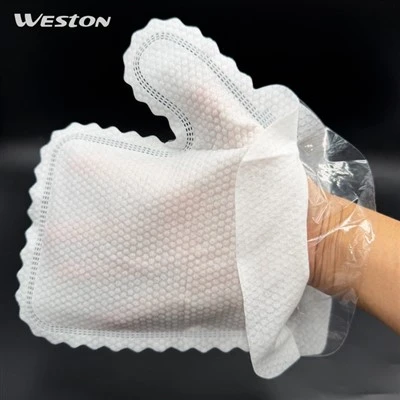
For eyeglass cleaning specifically, this combination means you can maintain crystal-clear vision without the cumulative damage that tissue papers or generic cloths inevitably cause. The fibers' softness respects all lens materials: glass, polycarbonate, and high-index plastic. The electrostatic properties respect physics, making water often unnecessary for routine cleaning. Products like Microfiber Dusting Mitt and Microfiber Eyeglass Cleaning Cloths employ identical principles-the engineering principles remain constant whether cleaning spectacles or delicate surfaces.
The Critical Limitation: Maintenance Determines Everything
Here emerges the uncomfortable truth that separates effective use from disappointing results: microfiber cloth maintenance determines whether your cloth becomes a protective asset or a damaging liability.
When a microfiber cloth accumulates dust, dirt, and grease through extended use without washing, the particles trapped within the fibers transform the cloth into a grinding tool. Those same microscopic structures that normally trap contaminants now hold abrasive debris that transfers to your lenses during wiping. Many users report disappointing results after weeks of use-not because microfiber fails fundamentally, but because they never washed their cloth.
Maintenance Protocol
The maintenance protocol is straightforward but essential: wash your eyeglass cloth every 1-2 weeks in warm or cold water using only gentle, fragrance-free detergent. Avoid fabric softeners entirely, as they clog the microfiber structure and destroy absorbency. Hand-washing is safest, though gentle machine cycles work. Air-dry completely; high heat in dryers damages the fiber architecture.
Recognition of cloth degradation matters equally. Replace your microfiber cloth when you notice: loss of absorbency (water beads rather than soaking in), visible wear on stitched edges, a flattened or matted appearance, or persistent odors after washing. Heavy users typically need replacement every 1-2 years.
Proper Technique: Maximizing Microfiber's Potential
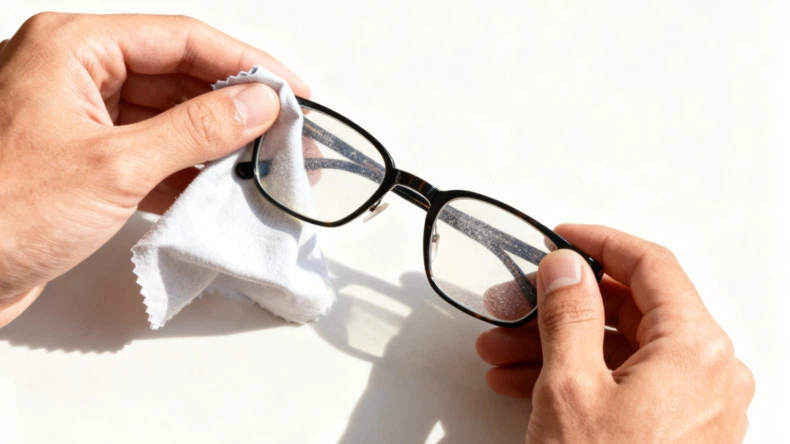
Using microfiber cloth correctly multiplies its effectiveness. Hold the cloth loosely with both fingers, covering one lens at a time. Wipe gently in single directional strokes to avoid redistributing particles. For stubborn smudges, use slow circular motions with minimal pressure. The fundamental principle: never apply force. Allow the microfiber's electrostatic properties to accomplish the work rather than relying on mechanical pressure.
For heavy buildup involving grease or dried deposits, first rinse glasses under mild running water with a tiny drop of gentle dish soap. Pat dry with a clean microfiber cloth. This hybrid approach addresses situations where microfiber alone cannot fully resolve accumulation.
Comprehensive Assessment: Strengths and Limitations
The Advantages
Microfiber cloth prevents the micro-scratching that paper-based alternatives cause.
It requires no chemical cleaners, reducing environmental waste and eliminating chemical residue on your lenses.
It's portable, suitable for all lens materials, and works effectively on coated lenses where gentleness is paramount.
The electrostatic cleaning principle represents genuine engineering innovation rather than marketing exaggeration.
The Disadvantages
Microfiber cloth demands regular washing to maintain effectiveness-neglect transforms it from protector to damaging tool.
It cannot replace occasional deep cleaning with soap and water for heavily soiled lenses.
The cloth itself requires eventual replacement, adding modest maintenance responsibility. For users unwilling to establish regular washing habits, microfiber offers minimal advantage over alternatives and potentially greater risk if the dirty cloth damages lenses.
The Practical Reality
Microfiber cloth represents the optimal choice for eyeglass cleaning when used as intended. The technology genuinely works, supported by fiber science and confirmed by eyecare professionals worldwide. Success requires one non-negotiable condition: commitment to regular cloth maintenance through washing and timely replacement.
The Broader Application: Understanding Microfiber's Range
The same principles underlying Microfiber Eyeglass Cleaning Cloths extend to related products like Microfiber Towels For Cars and Microfiber Dusting Mitt. The fiber engineering remains consistent: fine synthetic fibers with electrostatic properties that trap contaminants without abrasiveness. This versatility demonstrates that microfiber's advantages aren't specific to eyeglass cleaning but reflect fundamental material science.
Taking Action: Your Next Step
Understanding microfiber's science empowers better lens care decisions. Whether you're protecting prescription eyeglasses, sunglasses, or specialized optical equipment, the principles remain identical: microfiber's engineered structure cleans effectively while preserving delicate surfaces.
For those seeking reliable microfiber products specifically engineered for eyeglass maintenance and other precision cleaning applications, Weston Nonwoven manufactures high-quality microfiber cleaning cloths designed to these specifications. Organizations interested in microfiber products or free samples can contact: info@westonmanufacturing.com.
Microfiber cloth succeeds not through marketing claims but through physics and engineering. Use it correctly, maintain it diligently, and your glasses will deliver years of clear, undamaged vision.