Is It Good to Use Cotton Pads on the Face?
Cotton pads sit quietly in almost every bathroom cabinet. We use them to remove makeup, apply toner, fix eyeliner mistakes, or wipe away the day. They look harmless. Soft. Familiar.
But are they actually good for your skin?
The honest answer is not dramatic. Cotton pads are not miracle tools. They are not villains either. Like most skincare habits, their value depends on skin type, material quality, and how you use them.
Let's look at this with clear eyes and simple facts.
What Cotton Pads Really Do
Cotton pads serve three practical functions:
They help distribute liquid products evenly.
Toners and micellar waters spread more consistently with a pad.
They assist in lifting debris.
Makeup pigments, sunscreen, and excess oil can be physically lifted away from the skin's surface.
They provide mild mechanical exfoliation.
The gentle friction removes loose dead skin cells.
Notice what they do not do: they do not deeply cleanse pores. They are support tools, not primary cleansers.

The Science of Friction and the Skin Barrier
Your skin barrier is made of lipids and tightly packed cells. Think of it as a brick wall with mortar. Repeated friction - even mild friction - can slowly weaken that structure.
When you swipe a cotton pad across your face:
You create mechanical movement.
You slightly disturb the outermost dead skin layer.
You increase temporary blood flow.
Used occasionally and gently, this can smooth texture. Used aggressively and daily, especially with active ingredients like acids or retinoids, it can cause:
Redness
Stinging
Barrier disruption
Increased sensitivity
The problem is not cotton itself. It is pressure, repetition, and frequency.
Who Benefits Most From Using Cotton Pads?
Oily and Acne-Prone Skin
People with higher sebum production may benefit from light swiping. The pad can help remove surface oil and leftover sunscreen.
But scrubbing will not reduce acne long term. Inflammation often worsens breakouts.
Dry Skin
Dry skin loses moisture easily. Frequent swiping can strip essential lipids. For this group, pressing toner in with clean hands is usually safer.
Sensitive or Rosacea-Prone Skin
Mechanical irritation can trigger flushing. In these cases, skipping cotton pads altogether is often wise.
Combination Skin
Strategic use works best. For example:
Use a pad in the T-zone.
Use hands on cheeks.
Skincare does not have to be uniform across your face.
Cotton Pads vs. Hands: A Practical Comparison
Applying toner with your hands:
Minimizes product waste
Reduces friction
Preserves barrier integrity
Using cotton pads:
Feels cleaner to some people
Offers mild exfoliation
Helps remove residue more visibly
Neither method is universally superior. It depends on your skin's tolerance.
Material Matters More Than Most People Realize
Not all cotton pads are equal.
Low-quality pads can:
Shed lint
Feel rough
Absorb excessive product
Leave fibers behind
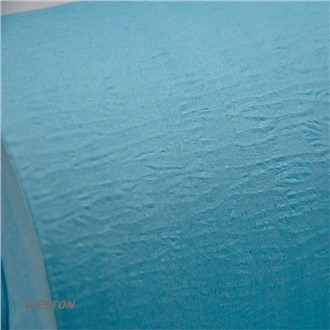
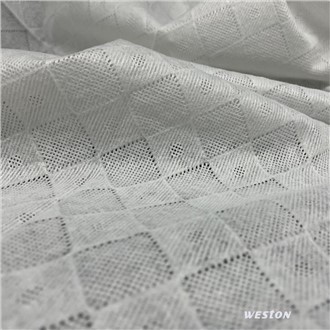
Higher-quality pads, especially well-bonded spunlace or hydroentangled materials, maintain structural integrity when wet. They glide rather than drag.
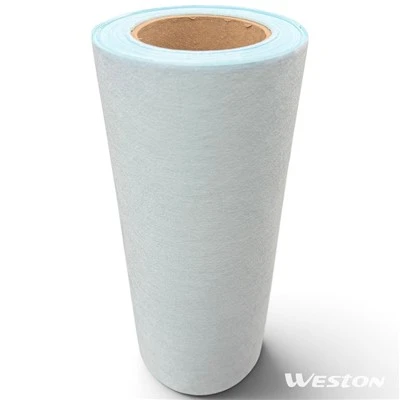
For example, Organic Cotton Square Pads made from hydroentangled nonwoven technology offer a smoother surface with less linting. Because the fibers are tightly interlocked with water pressure instead of chemical binders, the surface tends to feel cleaner and more uniform.
This does not make them magical. It simply reduces unnecessary friction and product loss.
Manufacturers like Weston Nonwoven specialize in spunlace nonwoven production for skincare applications, including Organic Cotton Square Pads designed for cosmetic use. The key advantage is material consistency - an often overlooked but important detail when something touches your face daily.
Still, even the softest pad can irritate if used harshly.

Common Mistakes People Make
1. Rubbing instead of gliding
Pressure should be minimal. Imagine wiping dust off glass, not scrubbing a pan.
2. Using pads with strong actives daily
If your toner contains glycolic acid, salicylic acid, or retinol, mechanical exfoliation becomes additive stress.
3. Over-cleansing at night
Double cleansing plus micellar water plus toner on a pad can become excessive.
4. Equating squeaky-clean with healthy
Tight skin is not a sign of success. It is often early barrier damage.
Environmental Considerations
Disposable cotton pads create waste. Organic cotton production also requires water and land. Reusable cloth pads reduce waste but must be washed properly to prevent bacterial buildup.
There is no perfect option. Awareness matters more than perfection.
When Cotton Pads Make Practical Sense
Removing long-wear foundation or stage makeup
Correcting small makeup errors
Applying targeted exfoliating toner once or twice weekly
Professional spa or clinical settings where hygiene control is important
Outside of these scenarios, hands are often enough.
A Balanced Perspective From Weston Nonwoven
Cotton pads are tools. Tools amplify technique.
Used gently and selectively, they can improve product distribution and remove residue efficiently. Used aggressively or excessively, they can slowly compromise the skin barrier.
If your skin feels calm, balanced, and comfortable, your routine is likely appropriate.
If you experience tightness, unexplained sensitivity, or frequent irritation, reducing friction is a smart first adjustment.
In skincare, intensity rarely wins. Precision does.