Sticky Situations: Getting That Medical Tape Residue Off Your Skin
You finally remove the bandage, and there it is-that stubborn, sticky mess clinging to your skin. Medical tape residue is annoying, unsightly, and frankly, uncomfortable. But here's the thing: you don't need harsh chemicals or alcohol to get your skin clean again. Let me walk you through what actually works.
Why Medical Tape Leaves Behind That Sticky Mess
When medical tape sticks to your skin, the adhesive bonds tightly to remove dead skin cells. When you peel it off, some adhesive molecules stay behind. This isn't a defect-it's just how strong adhesives work. The problem gets worse if you leave tape on too long or don't remove it properly.
The real issue? Most people reach for rubbing alcohol, which strips your skin's natural oils and causes irritation. If you have sensitive skin or an open wound, alcohol is genuinely problematic. Your skin's barrier gets damaged, and the residue removal becomes about the wrong problem.

What Actually Works (And What Doesn't)
The good news: You likely already have what you need at home.
Oils are your best friend. Coconut oil, olive oil, or even baby oil works beautifully. The molecular structure of oil breaks down adhesive without damaging your skin. Apply a small amount, massage gently for 1-2 minutes, and let it sit for another minute. Wipe clean and wash with soap and water. That's it. The residue crumbles away because oil dissolves what water can't touch.
Petroleum jelly is the slow-and-steady option. It doesn't dissolve adhesive quickly like oil does-instead, it softens it over time. Apply generously, wait 10-15 minutes, and then gently rub. This works especially well for stubborn, waterproof tape residue.
Warm water and mild soap are surprisingly effective. Submerge the area for 5-10 minutes if possible, or soak a cloth and hold it over the residue. Warm water naturally softens adhesive. Combine that with soap, and you've got a gentle solution that won't irritate sensitive skin.
Heat (yes, really). Set your hair dryer to low-medium heat, hold it about 6 inches away, and warm the area for 30-60 seconds. While it's warm, gently rub the residue. It should ball up and peel away. Quick, simple, and no chemicals whatsoever.
Citrus-based removers are increasingly popular in medical settings because they actually work. Orange oil and other citrus extracts dissolve adhesive without the harshness of acetone. They're fast, smell pleasant, and are biodegradable. Many people prefer these over oil-based methods because they dry quickly and don't leave your skin feeling greasy.
Ice is unconventional but effective. Cold makes adhesive brittle. Apply ice for 2-3 minutes until the residue hardens, then gently peel or rub it away. It won't work on heavy residue, but for small areas, it's a clever trick.
The Pros and Cons You Should Consider
|
Pros |
Cons |
|
Oil-based solutions are effective, nourishing, and safe. |
Your skin stays oily for a while and needs warm water to wash off properly. |
|
Petroleum jelly handles stubborn cases beautifully and protects your skin. |
It takes time-you can't rush it. |
|
Warm water and soap is the gentlest option for sensitive skin. |
Only works on mild residue; heavy residue won't budge. |
|
Heat methods are fast and require zero products. |
Moderately effective and may irritate sensitive skin. |
|
Citrus-based removers are quick and chemical-free. |
Need to buy them; may have overpowering scent. |
|
Ice methods require no products and work quickly for small areas. |
Ineffective for larger residue and uncomfortable to endure. |
What You Should Actually Avoid
Don't use acetone (nail polish remover)-ever. Your skin isn't as tough as your nails, and acetone can cause chemical burns. Industrial solvents like paint thinner? Absolutely not. Even excessive rubbing alcohol is risky because it disrupts your skin barrier. The residue removal shouldn't cause more damage than the tape itself.

Preventing Residue in the First Place
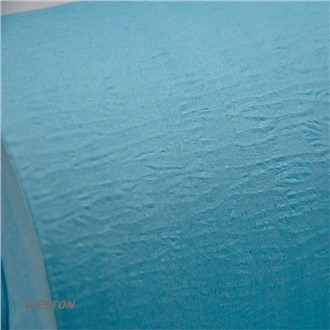
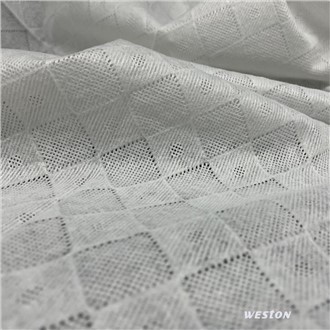
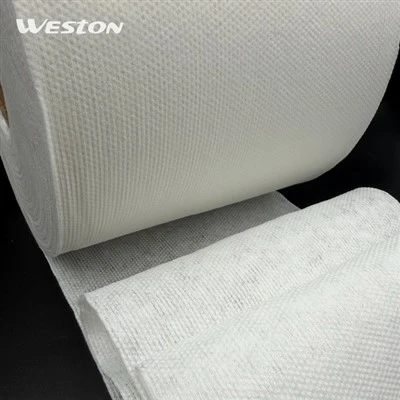
Here's something they don't always tell you: prevention beats cure. Use Skin Color Spunlace Medical Tape or similar quality products from manufacturers like Weston Nonwoven, which specializes in water-jet spunlace nonwoven materials. These premium options are gentler on skin and leave less residue because the backing itself is specifically engineered to release more cleanly. Skin Color Spunlace Medical Tape from Weston Nonwoven uses fiber entanglement technology that reduces adhesion trauma.
Apply tape to clean, dry skin without tension. Don't leave it on longer than necessary. If your medical professional offers it, use a barrier film under-this creates a protective layer between your skin and adhesive.
When removing tape, use the "low and slow" method: gently peel parallel to your skin, not straight up. Stabilize the skin with your other hand. This technique alone dramatically reduces residue formation and skin damage.
When to Actually Call a Doctor
Most tape residue is harmless. But contact a healthcare provider if you see blisters, significant redness, or a rash that doesn't fade. If residue is accompanied by itching or irritation that lasts beyond a day or two, something else might be happening. For people with compromised skin-the elderly, diabetics, or those on blood thinners-any adhesive issue warrants professional attention.
The Real Takeaway
Sticky medical tape residue isn't the disaster it feels like in the moment. You've got multiple effective, gentle, and often cost-free solutions. Choose the method that fits your situation-quick removal with heat or citrus, thorough softening with petroleum jelly, or gentle nourishment with oil. Your skin will clean up fine.
Next time tape comes off, you'll know exactly what to reach for. And if you're choosing medical tape in the first place, selecting products designed with breathable backing materials makes the whole process easier from start to finish.