How to Properly Store Baby Wipes?
Most parents think of baby wipes as "just wipes" and toss them anywhere: the diaper bag, the car, the hot bathroom counter. The truth is simple: where and how you store baby wipes can change how gentle they feel, how long they last, and even how safe they are for your baby's skin. If wipes dry out, smell odd, or feel rough, the problem is often not the brand, but storage.
This article is a no-drama, straight-to-the-point guide: how to keep Baby Wipes fresh, soft, and effective, using everyday habits anyone can follow. By the end, you'll know what to avoid, what to lean into, and how small changes make a real difference.

Why Baby Wipes Care About Storage
Baby wipes are not dry paper; they're thin sheets infused with water-based solutions, sometimes with mild soap, moisturizers, or fragrance. When conditions are bad, three things can happen:
The liquid evaporates and wipes dry out.
Heat and open air speed up chemical breakdown and spoilage.
Warm, damp places can encourage bacteria or mold over time.
That's why storage isn't just about "not wasting wipes." It's about skin comfort, hygiene, and using products as they were designed. If you find yourself tossing packs that feel stiff or smell off, the issue is likely where and how they've been sitting, not your baby.
The Golden Rule: Cool, Dry, and Closed
If you remember only one rule, make it this: keep wipes in a cool, dry place and always seal the pack.
Cool: Store wipes indoors, away from direct sunlight, windowsills, radiators, and car seats left in the sun.
Dry: Moisture from steamy bathrooms or humid rooms can soften packaging and affect freshness.
Closed: After every use, press the sticker flap or snap the lid shut as tightly as possible. Every time air gets in, wipes lose moisture a little faster.
If you open a box and half the wipes are already dry or stiff, the environment is the first suspect, not the manufacturer. Small packs stored in the diaper bag are fine, but they should be refilled from a larger, well-sealed pack kept at home.
Where to Store Wipes at Home (and Where Never to)
People often store wipes in the bathroom or on the changing table because it feels convenient. That's fine, but not every corner of the bathroom is equal.
Best Spots
Closed cabinet or drawer in the bedroom or nursery
Cool hallway shelf away from windows and heaters
Any indoor, shaded cupboard inside the house
These places keep wipes out of strong light, away from rapid temperature swings, and protected from constant humidity.
Worst Spots to Avoid
Near windows or radiators - heat and sunlight speed drying
Top of bathroom counters near sinks or showers - steam affects moisture balance
Car seats or glove compartments in summer - high heat can dry wipes and destabilize ingredients
If you must keep a small pack in the car, only put in a few wipes at a time and rotate them from home.
Temperature Truth-Telling: Heat, Cold, and Humidity
Temperature and moisture are the two big levers that control how long wipes stay usable.
Too hot: Moisture evaporates faster and ingredients can break down, changing smell or texture.
Too cold or freezing: Fibers may stiffen and liquid separation can occur, making wipes uneven.
Too humid: Damp environments can weaken packaging seals and reduce airtight protection over time.
A simple rule: if a place is not comfortable for a baby, it is not suitable for storing wipes.
When Wipes Feel "Off": What to Notice and What to Do
Parents don't need lab tests to know when something is wrong. Your senses are enough.
Smell: Sour, musty, or unusually strong chemical odor means the formula may have changed.
Touch: Stiff, dry, or rough wipes indicate moisture loss.
Sight: Discoloration, slime, or fuzzy spots may signal contamination.
If any of these signs appear, it is safest to discard the pack, even if it is not expired. Skin safety always comes first.
A Few Small "Power Moves" Anyone Can Do
You do not need complex storage systems. Consistency matters more.
Seal every time
Always close the lid or sticker properly after use, even in a hurry.
Use small batches on the go
Keep only a few wipes in the diaper bag and refill from home stock.
Light rehydration (only if safe)
If wipes are slightly dry but otherwise normal, a light mist of clean water may help restore softness. Avoid this if smell or texture is off.
Choose simpler formulas in hot climates
Fewer additives often means more stable storage performance.

Simple Storage Habits at a Glance
|
Aspect |
Good Habit / Spot |
Bad Habit / Spot |
|
Temperature |
Cool indoor cabinet |
Hot car or window area |
|
Humidity |
Dry closed storage |
Steamy bathroom counter |
|
Air Exposure |
Fully sealed after use |
Left open for long periods |
|
Rotation |
Small travel pack + home refill |
One exposed pack everywhere |
|
When in doubt |
Discard if abnormal |
Keep using despite changes |
Baby Wipes That Perform Better in Real Conditions
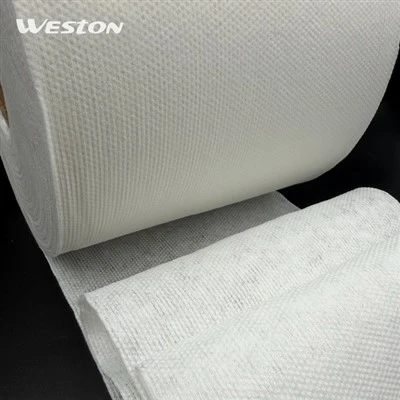
Storage works best when paired with good material quality. Soft, skin-friendly Baby Body Wipes made with stable nonwoven fibers tend to stay comfortable longer when properly stored.
Some manufacturers use water-jet spunlace nonwoven technology to produce softer and stronger wipes with more consistent structure. Certain Baby Wipes Manufacturerstandards also focus on safer production practices, including formaldehyde-free processes and food-contact level material control.
In practical terms, this means fewer irritants, better skin compatibility, and more stable performance over time. Good storage plus good material design is what keeps Baby Wipes reliable in daily use.
Final Thought
Baby wipes are simple, but their performance depends heavily on how they are stored. Cool, dry, sealed conditions are not optional details-they are what keep wipes soft, safe, and effective.
Small habits protect something very practical: a clean, calm, and stress-free moment during every diaper change.