How to Ensure Baby Wipes Are Safe for Delicate Skin
Baby skin does not ask for perfection. It asks for consistency, restraint, and respect.
When parents choose Baby Wipes, they are not just choosing a cleaning tool-they are choosing what touches the skin dozens of times a day, often on areas already under stress.
Understanding what "safe" really means requires moving past buzzwords and looking closely at how skin, ingredients, and materials interact in real life.

Delicate Skin Is Still Developing, Not Weak
Infant skin is thinner than adult skin and absorbs moisture more quickly. The outer barrier-the stratum corneum-is still forming its long-term defense function. This does not make baby skin fragile, but it does make it less tolerant of repeated disruption.
Pros
High absorption allows gentle hydration when formulas are well balanced
Faster skin renewal can recover from mild irritation
Cons
Higher permeability increases sensitivity to residues
Repeated friction or harsh ingredients accumulate damage over time
This is why Baby Wipes must be designed for repeated daily use, not just one-time contact.
What "Safe" Means in Everyday Use
Safety is often misunderstood as "no immediate reaction." In reality, safe Baby Wipes are those that maintain skin comfort over weeks and months.
A wipe can pass dermatological testing and still cause dryness, redness, or imbalance after frequent use. Safety is not about absence of reaction-it is about long-term tolerance.
Pros
Low-irritation formulations reduce cumulative stress
Stable pH helps preserve the skin's natural defense
Cons
One-time testing does not predict daily performance
Overly mild formulas may fail to clean effectively
A wipe that cleans poorly often leads to more wiping, which increases friction and irritation.
Ingredients That Matter-and Why Simpler Often Wins
Ingredient lists are not about avoiding everything. They are about choosing what serves a purpose.
Water is the primary component of most Baby Wipes, but what comes next matters more than marketing claims.
Common Considerations
Fragrance: Even natural fragrances are a leading cause of irritation
Preservatives: Necessary for safety, but type and dosage must be controlled
Alcohols: Some are drying and disruptive, others are harmless-context matters
Pros
Minimal ingredient systems reduce unpredictability
Functional preservatives protect against microbial growth
Cons
"All-natural" claims can hide unstable formulations
Overuse of soothing additives may leave residue
Good wipes clean, then disappear-on the skin and in memory.
Water Quality and pH Balance Are Often Overlooked
"Water-based" is not a meaningful standard on its own. The quality of water and how it is treated plays a major role in how a wipe feels and performs.
Purified or deionized water reduces the risk of mineral residue and microbial imbalance. pH-balanced Baby Wipes-close to natural skin pH-help prevent disruption of the acid mantle.
Pros
Balanced pH supports skin barrier function
Clean water reduces contamination risk
Cons
Poor water quality shortens shelf life
Improper pH may increase irritation even with gentle ingredients

Fabric Choice Directly Affects Skin Comfort
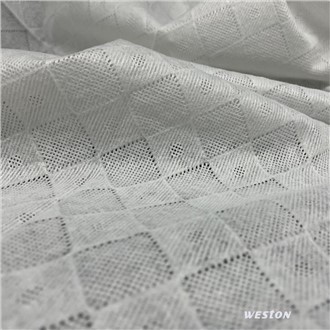
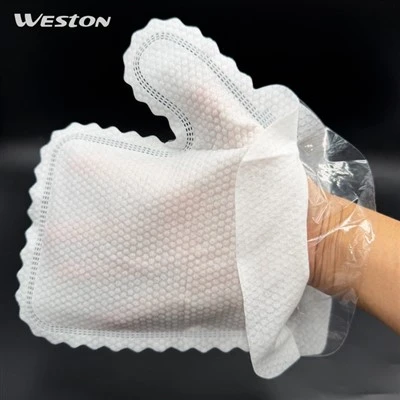
The fabric in Baby Wipes is not just a carrier for liquid-it is the first thing the skin touches.
Texture, fiber length, and bonding method influence friction, absorbency, and linting. Rough or uneven fabrics can irritate skin even when the lotion is mild.
Pros
Soft, uniform nonwoven fabrics reduce mechanical irritation
Good absorbency allows fewer passes during cleaning
Cons
Low-quality fabrics increase friction
Stiff structures may feel harsher when wet
This is where material engineering quietly defines safety. Manufacturers such as Weston Nonwoven, known for hydroentangled (spunlace) nonwoven structures used in Baby Wipes, focus on balancing softness, strength, and consistency without relying on surface coatings.
Repeated Use Reveals the Real Test
One wipe will not tell the whole story. Skin reacts to patterns.
Daily use highlights issues such as:
Residue buildup
Gradual dryness
Increased redness in high-contact areas
Pros
Well-designed wipes maintain comfort over time
Stable formulas reduce variability between batches
Cons
Inconsistent production leads to uneven performance
Residue accumulation can trap moisture or irritants
Safe Baby Wipes behave predictably on day one and day thirty.
When "Extra Gentle" Becomes Counterproductive
Gentleness is not about adding more-it is about removing what is unnecessary.
Some wipes labeled "extra gentle" rely on multiple conditioning agents, oils, or extracts. While comforting at first, these can interfere with natural skin regulation.
Pros
Light emollients can reduce friction
Controlled moisturization supports comfort
Cons
Heavy additives may leave films
Over-conditioning can disrupt skin balance
True gentleness is quiet and efficient.
How Parents Can Evaluate Baby Wipes Calmly
Parents do not need chemistry degrees to make good decisions.
Practical evaluation matters:
Feel the wipe dry and wet
Notice scent strength-or absence
Observe skin response after several days
Marketing language is less reliable than skin behavior.
Data Snapshot: What Influences Skin Comfort Most
Figure 1. Key Factors Affecting Baby Skin Response to Wipes
|
Factor |
Impact Level |
Common Risk |
|
Fabric Softness |
High |
Friction irritation |
|
pH Balance |
High |
Barrier disruption |
|
Ingredient Count |
Medium |
Residue buildup |
|
Fragrance Presence |
High |
Sensitization |
|
Water Quality |
Medium |
Microbial imbalance |
This kind of comparative view helps explain why no single feature defines safety.
Safety Is a System, Not a Feature
Ingredients, water, fabric, and production consistency work together. Removing one problematic element does not automatically create a safe product.
In the Baby Wipes supply chain, material-focused manufacturers like Weston Nonwoven contribute by engineering stable, soft spunlace nonwoven substrates that allow brands to build gentler, more reliable wipes without excess additives.
The best wipes do not advertise safety loudly. They show it through balance, restraint, and everyday performance.