Can I Use Floor Wipes on Surfaces?
Yes-sometimes. The safe answer depends on what's in the wipe, what the surface is made of, and who touches it afterward.
A Quick Scene: One Wipe, Many Jobs
You finish mopping with a damp floor wipe. The counter, high chair, and TV remote all look dirty. The easy choice is to keep using the same wipe to feel efficient. The smarter choice is to pause for ten seconds and match the wipe to the surface rather than just your mood.
What Floor Wipes Are Built For
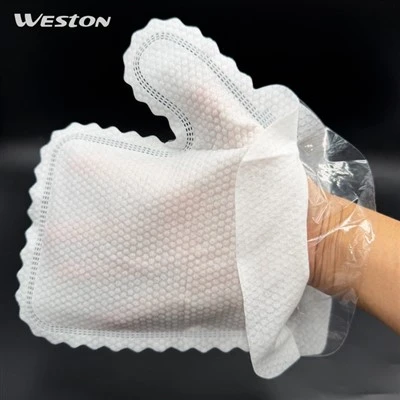
Most floor wipes are designed for large, hard, sealed surfaces like tile, vinyl, and sealed laminate. They carry enough liquid and surfactant to lift grit, food spills, and light grease without soaking the floor. Some also contain disinfectants, but they only work as claimed if the surface remains visibly wet for the full contact time specified on the label.
This design comes with trade-offs. A wipe that is large, wet, and sometimes strongly fragranced is excellent for a kitchen floor, but it can be too harsh, too wet, or too sticky for sensitive materials or items people put in their mouths. Treat the chemistry as "floor-first," not "use-anywhere."

Surfaces You Can Usually Say Yes To
You can often use floor wipes on:
Glazed ceramic tile, sealed stone, and vinyl flooring, as long as the label permits.
Finished hardwood or laminate, but only if the wipe specifies it is suitable for sealed wood, and you avoid leaving puddles.
On these surfaces, the main risks involve over-wetting (which can cause swollen joints or lifting edges) or not removing residue in high-traffic zones, making floors feel slightly tacky or slippery.
Surfaces You Should Be Careful With
Certain surfaces require more caution:
Food-contact areas: kitchen counters, dining tables, and cutting boards. Even if the wipe claims to disinfect, its formula may not be food-safe, and residues can remain if no rinse is required.
Delicate finishes: natural stone, unsealed wood, and waxed furniture are sensitive to pH and solvents. Repeated use can lead to streaks, dull patches, or erosion of the finish.
Screens and electronics: alcohol and solvents can damage coatings or cloud plastic, while excess moisture can seep into ports and seams.
Items babies lick or chew: high chairs, toys, play mats, and teething rails collect both chemistry and saliva. If the product needs rinsing on food-contact surfaces, it is a poor everyday choice for items that go into mouths.
Consider these surfaces as "high-contact" or "high-value." If the label is unclear, take a step back.
The 10-Second Label Check
Before you "just grab a wipe," build a quick habit:
Look for surface limits:
Phrases like "for floors only," "not for food-contact surfaces," or "do not use on unfinished wood" are bright red stop signs.
Check for "rinse required":
If the label says to rinse after use on counters, dishes, or toys, it is not a low-residue daily cleaner for those items. It's designed for occasional, high-risk messes.
Find the disinfect claim and time:
If a wipe claims to disinfect, it will specify a contact time-often several minutes of visible wetness. Wiping once and drying with a towel is cleaning, not disinfecting.
A simple rule of thumb: if you wouldn't be comfortable licking the surface without rinsing, don't use that floor wipe there every day.
How Chemistry and Material Meet
Why all this caution? Surfaces and wipe formulas do not always "speak" the same language.
Porous materials: Unsealed wood and some stones can absorb liquid, which may cause swelling, staining, or weakening.
Strong solvents and high-pH cleaners: While effective on greasy tiles, they can haze coatings, soften some plastics, or strip wax.
Fragrances and dyes: Although they add comfort and branding, they can leave behind films or cause skin reactions on high-touch items.
Understanding this helps explain why using one wipe for "everything" often works fine for a month but can lead to long-term damage.

When Specialized Floor Wipes Make Sense
Not every floor is the same. A living-room oak plank needs a different touch than a garage concrete pad.
For sealed hardwood, dedicated hardwood floor wipes use controlled moisture and milder detergents, which clean without flooding joints or dulling the finish.
For pet-heavy homes, textured wipes, such as Pet Hair Removal Mop Cloth Nonwoven, effectively grab fur and dander mechanically, reducing the need for more aggressive chemistry.
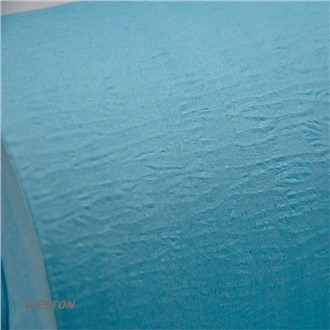
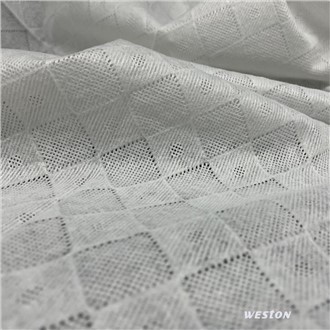
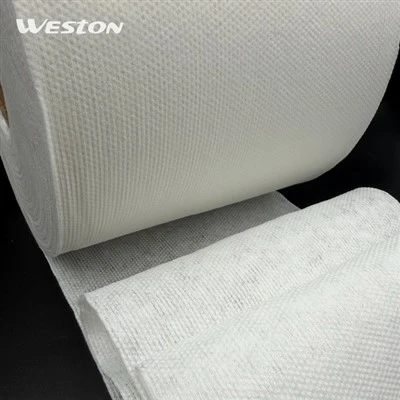
In busy homes and light commercial spaces, nonwoven formats like Nonwoven Embossed Floor Mop Cloths combine a strong, lint-free substrate with grooves that trap grit instead of dragging it around, which minimizes micro-scratches over time. Weston's nonwoven lines build on this idea: the fabric structure does part of the work so that chemistry doesn't have to be extreme. Weston Nonwoven solutions are often found in many private-label wipes, focusing on safe substrates first and formulas second.
Example: Where Can This Wipe Go?
Imagine using a single "floor disinfectant wipe" across a day:
Morning: Used on a vinyl kitchen floor after breakfast spills. Good match-hard, sealed surface, and food is gone afterward.
Noon: The same pack is used on the dining table, with no rinse, just before lunch. Risky-food-contact surface, disinfect claim, but no time left wet and no rinse.
Evening: Someone wipes a baby's high-chair tray and favorite toy with the same product. Worst case-objects that go straight into a child's mouth cleaned with a formula that requires rinsing on food-related surfaces.
The chemistry didn't change-only the surface and the user did. That's where good habits matter more than brand promises.
One Chart to Keep It Clear
A simple way to remember:
|
Surface / Situation |
Typical floor wipe OK? |
Safer daily choice |
|
Vinyl / tile / sealed wood |
Often yes, if labeled |
Floor-specific or hardwood-specific wipes |
|
Kitchen counters, tables |
Only if food-safe & no rinse needed |
Food-contact-safe cleaner + rinse |
|
Cutting boards, plates, toys |
Usually no |
Dish soap or food-safe disinfectant + rinse |
|
Screens, remotes, laptops |
Often no |
Electronics wipes or dry microfiber |
|
Baby items, chewed surfaces |
Usually no |
Mild soap + water, baby-safe products |
A Grounded Takeaway
Floor wipes earn their place: they are fast, simple, and effective on the surfaces they are designed for. To use them wisely, match three things every time-label, surface, and who touches it next-and perform a quick 10-second check before you clean your way into trouble.