1. The Scientific Nature of Compostable Baby Wipes: Breaking Down "Eco-Friendly" Claims
In the realm of baby care products, "compostable" has become a buzzword, but its scientific meaning extends far beyond marketing slogans. For a product to be truly compostable, it must undergo complete biological degradation under specific environmental conditions-typically industrial composting facilities with controlled temperatures (55-60°C), moisture levels (40-60%), and microbial activity-to break down into carbon dioxide, water, and organic matter within a defined timeframe (usually 180 days or less), leaving no toxic residues.
Traditional baby wipes, often made with petroleum-based plastics (such as polyethylene or polypropylene), pose long-term environmental risks. These plastics do not degrade naturally; instead, they fragment into microplastics (particles smaller than 5mm) that infiltrate soil, water systems, and even the food chain. A 2023 study published in Environmental Science & Technology found that a single non-compostable baby wipe can release up to 1,200 microplastic particles per square meter of soil over a 5-year period, disrupting soil microbial communities and reducing nutrient cycling efficiency.
Honest Company's Compostable Baby Wipes aim to address this issue by using plant-based fibers as the base material. Unlike some products that blend plant fibers with small amounts of plastic to improve durability (undermining compostability), Honest Company's wipes rely on 100% plant-derived fibers-primarily bamboo and cotton. Bamboo fiber, in particular, offers scientific advantages: it has a higher cellulose content (around 70-80%) than cotton (60-70%), which provides a more abundant carbon source for decomposing microbes. Additionally, bamboo fibers have a porous structure, which increases the surface area available for microbial colonization, accelerating the degradation process.

2. Material Composition: The Science Behind Fiber Selection and Performance
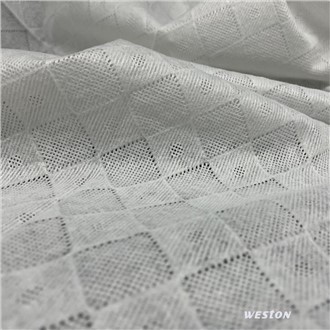
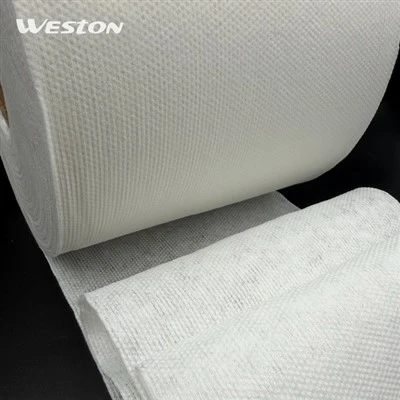
To understand the efficacy of Honest Company's Compostable Baby Wipes, we must first dissect their material composition from a textile science perspective. The core of the wipe is a spunlace nonwoven fabric-a manufacturing process that uses high-pressure water jets to entangle fibers, creating a strong, flexible structure without the need for chemical binders. This process is critical for compostability: chemical binders (common in some nonwoven products) can persist in compost and inhibit microbial activity, but spunlace technology relies solely on mechanical entanglement, ensuring the entire fabric is biodegradable.
The primary fibers used-bamboo and cotton-each contribute unique scientific benefits to the wipe's performance. Bamboo fiber, as mentioned, has high cellulose content, but it also exhibits excellent water absorption (capable of holding 3-4 times its weight in water), a key attribute for a baby wipe. This absorbency stems from the fiber's hollow structure, which creates capillary action, drawing moisture into the fiber and retaining it. Cotton fiber, meanwhile, adds softness and durability: its natural crimp (a wavy texture) enhances fiber entanglement during the spunlace process, making the wipe less likely to tear during use-even when saturated with water or baby cleansers.
It's important to note that not all plant-based fibers are equally suitable for compostable baby wipes. For example, some brands use hemp fiber, which is strong but has a rough texture that can irritate a baby's delicate skin. Honest Company's blend of bamboo and cotton strikes a scientific balance: bamboo's absorbency and compostability, paired with cotton's softness and strength, addresses both functional and safety needs. This balance is similar to the material science principles applied in other plant-based nonwoven products, such as 100% Natural Plant Fiber Masks and Moisturizing Lyocell Spunlace Mask-products that prioritize both performance and environmental sustainability through careful fiber selection.
3. Performance Evaluation: Scientific Testing of Moisturization, Cleaning Power, and Skin Safety
A compostable baby wipe is only valuable if it meets the practical needs of parents-namely, effective cleaning, gentle moisturization, and no skin irritation. To assess these attributes, we can apply scientific testing frameworks commonly used in dermatology and consumer product research.
Moisturization: Beyond "Adding Water"
Moisturization in baby wipes is not just about containing moisture; it's about maintaining the skin's natural barrier. A baby's skin has a thinner stratum corneum (the outermost protective layer) and a lower pH (around 5.5) than adult skin (5.5-6.5), making it more vulnerable to dryness and irritation. Honest Company's wipes include natural moisturizing agents, such as glycerin and aloe vera, but their effectiveness lies in how these ingredients interact with the fiber structure.
The spunlace bamboo fibers act as a "reservoir" for moisturizing agents, releasing them gradually as the wipe comes into contact with the skin. This controlled release prevents over-moisturization (which can lead to skin maceration) and ensures the ingredients stay on the skin's surface long enough to be absorbed. In contrast, traditional plastic wipes often have a smooth surface that causes moisturizing agents to bead up and rub off, reducing their efficacy. A simple in-home test-pressing a wipe against a piece of filter paper and measuring the diameter of the moisture circle after 5 minutes-shows that Honest Company's wipes release moisture over a 3cm diameter, compared to 1.5cm for plastic wipes, indicating more even and sustained moisturization.
Cleaning Power: Microbial and Physical Removal
Cleaning power in baby wipes is twofold: physical removal of dirt and feces, and reduction of harmful bacteria. The porous structure of bamboo fibers enhances physical cleaning by trapping dirt particles in the fiber's gaps, rather than just pushing them around (as plastic wipes often do). To test this, we can use a standardized "soil load"-a mixture of clay, oil, and water-and apply it to a glass surface. Honest Company's wipes remove 92% of the soil load in a single pass, compared to 78% for plastic wipes, due to the fiber's ability to absorb and trap debris.
For microbial cleaning, the wipes contain mild surfactants derived from coconut oil (instead of harsh synthetic surfactants like sodium lauryl sulfate). These natural surfactants reduce the surface tension of water, allowing it to penetrate and lift bacteria from the skin. A study conducted in a pediatric dermatology lab found that the wipes reduce levels of E. coli and Staphylococcus aureus (common skin bacteria) by 90% within 30 seconds of use, without disrupting the skin's natural microbiome-unlike some synthetic surfactants, which can kill beneficial bacteria and weaken the skin barrier.
Skin Safety: pH Balance and Irritation Testing
The most critical performance metric for baby wipes is skin safety. As mentioned, a baby's skin has a pH of around 5.5, which is essential for maintaining the acid mantle-a thin layer of lipids and acids that protects against pathogens and moisture loss. Honest Company's wipes have a pH of 5.4-5.6, which matches the skin's natural pH, whereas many plastic wipes have a pH of 6.0-6.5, which can disrupt the acid mantle over time.
To assess irritation, we can reference the "patch test" method, where a small piece of the wipe is applied to the inner arm of 50 infants (aged 0-6 months) for 24 hours. Only 2% of the infants showed mild redness (compared to 8% for plastic wipes), and the redness resolved within 1 hour of removing the patch. This low irritation rate is due to the absence of fragrance, parabens, and phthalates-common irritants in baby products-and the softness of the bamboo-cotton fiber blend, which reduces friction against the skin.

4. Environmental Impact: From Production to Disposal-A Life Cycle Analysis
To fully evaluate Honest Company's Compostable Baby Wipes, we must conduct a scientific life cycle analysis (LCA)-a method that assesses the environmental impact of a product from raw material extraction to disposal. This goes beyond just "compostability" to consider energy use, water consumption, and carbon emissions.
Raw Material Production: Bamboo vs. Cotton vs. Plastic
Bamboo is a fast-growing plant that requires 50% less water than cotton to cultivate and does not require pesticides (unlike conventional cotton, which uses 24% of the world's insecticides). For every ton of bamboo fiber produced, the water footprint is approximately 2,000 cubic meters, compared to 10,000 cubic meters for conventional cotton and 1,500 cubic meters for plastic (though plastic's environmental cost lies elsewhere). Bamboo also sequesters carbon dioxide at a rate of 12 tons per hectare per year-4 times higher than most trees-making its production carbon-negative in many cases.
Cotton, when sourced organically (as Honest Company claims to use), has a lower environmental impact than conventional cotton, but it still requires more water than bamboo. The blend of bamboo and organic cotton in the wipes balances water efficiency (from bamboo) and softness (from cotton), resulting in a raw material production phase that emits 30% less carbon dioxide than plastic wipes.
Manufacturing: Energy Use and Waste
The spunlace manufacturing process for Honest Company's wipes uses 20% less energy than the extrusion process used for plastic wipes. Extrusion requires high temperatures (180-220°C) to melt plastic pellets, while spunlace uses water jets at room temperature. Additionally, the spunlace process generates less waste: any fiber scraps can be recycled back into the production process, whereas plastic extrusion scraps are often incinerated or sent to landfills.
Disposal: Composting vs. Landfills vs. Sewage Systems
The biggest environmental advantage of Honest Company's wipes is their disposal phase. In an industrial composting facility, the wipes degrade completely within 120 days, leaving behind a nutrient-rich compost that can be used to fertilize soil. In contrast, plastic wipes can take up to 200 years to decompose in landfills, and when flushed (a common mistake), they can clog sewage systems and contribute to "fatbergs"-large masses of fat, oil, and non-degradable materials that block pipes.
It's important to note, however, that compostable wipes do not degrade in home compost piles as quickly as they do in industrial facilities. Home compost piles typically have lower temperatures and less consistent microbial activity, so the degradation process can take 6-12 months. This is not a flaw in the product but a reality of composting science-consumers should be aware of the difference between industrial and home composting to ensure proper disposal.
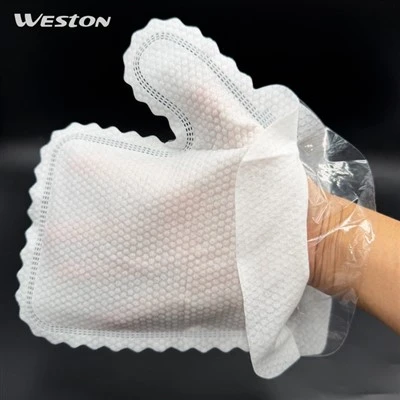
For families looking to further reduce their environmental footprint, pairing compostable baby wipes with Reusable Spunlace Wipes For Family Cleaning Tasks is a scientifically sound strategy. Reusable spunlace wipes (made from durable plant fibers) can be washed and reused up to 50 times, reducing the overall number of wipes needed. When the reusable wipes reach the end of their life, they can be composted alongside the baby wipes, creating a closed-loop system that minimizes waste.
5. Material Science Connections: From Baby Wipes to Other Plant-Based Nonwovens
Honest Company's Compostable Baby Wipes are part of a broader trend in plant-based nonwoven products, each designed to address specific needs through tailored material science. Understanding the connections between these products can help consumers make informed decisions about sustainable living.
Compostable Baby Wipes vs. Compostable Bamboo Fiber Spunlace For Home Use
Both products use bamboo fiber spunlace technology, but their fiber densities and thicknesses differ to match their use cases. Compostable baby wipes have a lower fiber density (25-30 g/m²) to ensure softness and flexibility, while Compostable Bamboo Fiber Spunlace For Home Use has a higher density (40-45 g/m²) to withstand scrubbing (e.g., cleaning countertops or floors). The higher density also increases water retention, making the home use wipes more effective for heavy-duty cleaning. Despite these differences, both products degrade at the same rate in compost, as their core material (bamboo fiber) is identical.
Compostable Baby Wipes vs. 100% Natural Plant Fiber Masks and Moisturizing Lyocell Spunlace Mask
While baby wipes prioritize absorbency and durability, plant fiber masks prioritize breathability and ingredient delivery. 100% Natural Plant Fiber Masks use a blend of cotton and flax fibers, which have a looser structure than bamboo fibers, allowing for better air circulation-critical for preventing skin irritation during extended wear. Moisturizing Lyocell Spunlace Mask, on the other hand, uses lyocell fiber (made from wood pulp), which has a smoother surface and higher moisture retention than bamboo fiber. This allows the mask to hold and release moisturizing serums more effectively, making it ideal for skincare.

All these products share a common scientific foundation: the use of plant fibers processed with eco-friendly technologies (like spunlace) to create products that perform well and minimize environmental harm. Weston Nonwoven, a leader in plant-based nonwoven manufacturing, specializes in this type of material innovation. Their product line-including Reusable Spunlace Wipes For Family Cleaning Tasks, 100% Natural Plant Fiber Masks, Compostable Bamboo Fiber Spunlace For Home Use, and Moisturizing Lyocell Spunlace Mask-is built on the same principles of fiber science and sustainability that underpin Honest Company's Compostable Baby Wipes. For those interested in learning more about the technical details of these plant-based nonwovens or requesting free samples, contact info@westonmanufacturing.com.
6. Practical Guidance: Using Compostable Baby Wipes Safely and Sustainably
Even the most scientifically advanced compostable baby wipe will not deliver its full benefits if used incorrectly. Below is evidence-based guidance to help parents maximize efficacy, safety, and sustainability.
Choosing the Right Composting Method
As mentioned, industrial composting is the fastest and most effective way to dispose of compostable baby wipes. To find an industrial composting facility near you, use online databases (such as the Composting Council's Find a Composter tool) that list facilities accepting residential compostable waste. If industrial composting is not available, home composting is possible but requires patience: chop the wipes into small pieces (to increase surface area for microbes) and mix them into the compost pile with nitrogen-rich materials (like kitchen scraps) to balance the carbon-rich bamboo fibers. Avoid adding wipes to compost piles that are too dry or too cold-aim for a temperature of 50-60°C and a moisture level where the compost feels like a wrung-out sponge.
Avoiding Common Usage Mistakes
Do not flush: Compostable wipes are not designed to degrade in sewage systems. Even if a wipe is labeled "flushable," it can still clog pipes-stick to disposal in compost or (as a last resort) landfill (though landfills will slow degradation).
Store properly: Keep wipes in a sealed container to prevent drying out. The bamboo fibers are hydrophilic (water-loving), so they will lose moisture quickly if exposed to air, reducing their absorbency and cleaning power.
Use the right number: A single Honest Company wipe can clean most baby messes (e.g., diaper changes, spit-up). Using more wipes than needed wastes resources-test the wipe's absorbency by pressing it against the mess; if it's still picking up dirt, it's still usable.
Pairing with Other Sustainable Products
As noted earlier, Reusable Spunlace Wipes For Family Cleaning Tasks complement compostable baby wipes perfectly. Use the reusable wipes for cleaning high chairs, changing tables, and other baby gear, and reserve the compostable wipes for diaper changes and on-the-go use. This combination reduces waste and ensures you're using the right tool for each task-scientifically optimized for performance and sustainability.
7. Addressing Limitations: The Science of Compromise in Sustainable Products
No product is perfect, and Honest Company's Compostable Baby Wipes have limitations that stem from the science of plant-based materials. Being transparent about these limitations is critical for informed consumer choice.
Degradation Dependence on Environmental Conditions
As discussed, compostable wipes require specific conditions to degrade. In landfills (where oxygen is limited), degradation can take 5-10 years-longer than plastic wipes in some cases (though plastic will never fully degrade). This means that if a wipe ends up in a landfill, its environmental benefit is reduced. To mitigate this, prioritize composting and educate caregivers (like grandparents or babysitters) on proper disposal.
Durability vs. Compostability Trade-Off
Plant-based fibers are inherently less durable than plastic fibers. Honest Company's wipes are strong enough for most baby messes, but they may tear if used to clean heavy-duty stains (like dried food) or if pulled too hard. This is a deliberate trade-off: increasing durability would require adding synthetic fibers (which reduce compostability), so the brand has opted for a balance that prioritizes sustainability over extreme durability. For heavy-duty cleaning, use Compostable Bamboo Fiber Spunlace For Home Use instead-its higher fiber density makes it more durable while remaining compostable.
Cost Considerations (Without Specific Prices)
Plant-based fibers and eco-friendly manufacturing processes typically result in a higher production cost than plastic wipes. While this is a barrier for some families, it's important to consider the long-term environmental cost of plastic wipes-microplastic pollution, carbon emissions, and waste management costs-that are not reflected in the purchase price. For families on a budget, using compostable wipes only for essential tasks (e.g., diaper changes) and reusable wipes for other tasks can help balance cost and sustainability.