The Science Behind Safety and Sustainability
The Promise and Perils of 3D Printed PLA Drinkware
Polylactic Acid (PLA) has emerged as a revolutionary material in the manufacturing world, celebrated as a biodegradable alternative to traditional petroleum-based plastics. Derived from renewable resources like corn starch or sugarcane, PLA is non-toxic and FDA-approved for food contact, making it theoretically suitable for food and beverage applications. But when it comes to 3D printed drinkware, the question of safety becomes significantly more complex. The process of 3D printing introduces unique challenges that go beyond the material's inherent properties, including microporosity, bacterial hiding spots, and potential chemical migration from additives and colorants.
While virgin PLA pellets are generally considered food-safe, the 3D printing process transforms these pellets into filament through extrusion, often introducing additives for color, strength, or flexibility. Additionally, the layer-by-layer deposition process in 3D printing creates microscopic gaps and ridges that can become breeding grounds for bacteria if not properly sealed. This means that while the base material might be safe, the final printed object may not be suitable for repeated food or beverage contact without appropriate post-processing.
The Biochemistry of PLA: More Than Meets the Eye
PLA is classified as a biodegradable and bioactive thermoplastic, breaking down into lactic acid-a compound naturally found in the human body-under specific composting conditions. This natural breakdown process is one of PLA's most celebrated attributes, but it also presents challenges for drinkware applications. Unlike conventional plastics like PET or PP, PLA has a lower heat resistance, typically beginning to soften around 60°C (140°F). This means that hot beverages could potentially warp the material or accelerate the breakdown process, possibly compromising the structural integrity of the container and increasing the risk of chemical migration.
The manufacturing process of PLA begins with the fermentation of plant-based starches or sugars, which are then purified and polymerized into the final plastic material. This biological origin means PLA lacks harmful chemicals like BPA and phthalates often found in conventional plastics. However, the 3D printing filament production process may introduce additional additives, stabilizers, or colorants that might not be food-safe, even if the base PLA material is non-toxic.
Hidden Hazards in 3D Printed Structures
The layer-line phenomenon unique to 3D printing creates microscopic grooves and pores that can trap moisture and organic matter, creating an ideal environment for bacterial growth. A study comparing traditionally manufactured PLA items with 3D printed versions found that the printed objects had significantly higher bacterial retention, even after washing. This porous nature makes 3D printed PLA cups potentially unsuitable for repeated use without special sealing treatments.
Food safety experts note that "bacteria buildup may still occur if 3D printed items are not handled properly because the plastic is porous and its texture is often rough." This increased likelihood of collecting food and dirt creates bacterial contamination risks that don't exist with injection-molded alternatives. For this reason, many professionals recommend against using 3D printed PLA for anything that will have extended contact with food or beverages, especially for vulnerable populations like children, the elderly, or those with compromised immune systems.
The Environmental Paradox of PLA Drinkware
PLA is often marketed as an eco-friendly solution to plastic pollution, but the reality is more nuanced. While PLA is derived from renewable resources and consumes 65% less energy in production compared to petroleum-based plastics, its biodegradability requires specific conditions found only in industrial composting facilities. Most 3D printed PLA cups will not break down efficiently in home composting systems or natural environments, and when discarded in landfills, they may contribute to methane emissions as they decompose anaerobically.
The sustainability equation becomes even more complex when considering the specialized nature of 3D printed drinkware. Unlike mass-produced containers, 3D printed cups often require more material due to structural reinforcements and higher failure rates during printing. Approximately 33% of all 3D prints end up as waste, potentially offsetting the environmental benefits of using a biodegradable material. For those truly concerned about sustainability, traditionally manufactured PLA drinkware or reusable alternatives might offer a better environmental profile than 3D printed single-use cups.
Material Limitations and Performance Considerations
Beyond safety concerns, 3D printed PLA drinkware faces practical performance challenges. PLA has relatively poor barrier properties compared to other plastics, allowing oxygen and moisture to pass through more easily. This can compromise the freshness of beverages and make the containers unsuitable for carbonated drinks that require gas retention. Additionally, PLA's sensitivity to humidity and temperature limits its usefulness for hot beverages or prolonged storage.
The material properties of PLA also include increased brittleness compared to conventional plastics, making 3D printed cups prone to cracking or breaking under pressure. This limited durability reduces their practicality as reusable containers, undermining their sustainability premise. While additives can improve strength and temperature resistance, these modifications may further compromise the food safety of the final product.
Innovative Alternatives for Sustainable Drinkware
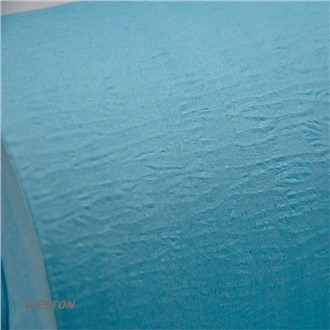
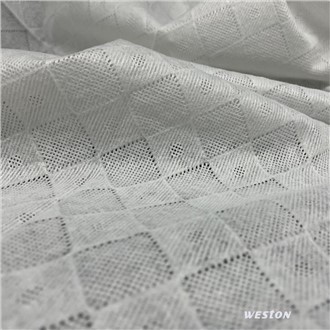
While 3D printed PLA might not be ideal for drinkware, advancements in nonwoven fabric technologies offer promising alternatives for sustainable beverage solutions. Weston Nonwoven specializes in innovative materials like Triple Layer Bamboo Fiber Wood Pulp Spunlace Fabric that combine natural fibers with advanced manufacturing techniques to create eco-friendly containers with superior performance characteristics.
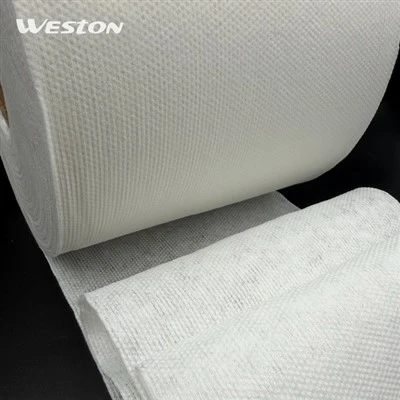
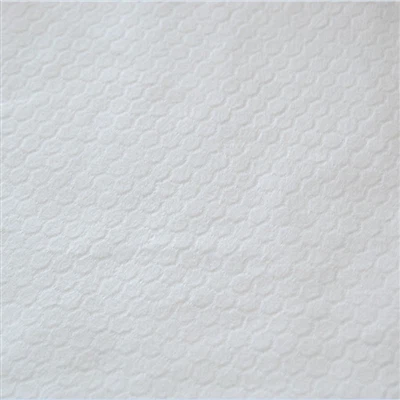
These plant-based nonwoven materials offer several advantages over 3D printed PLA, including better temperature resistance, inherent antibacterial properties, and truly compostable characteristics without requiring industrial facilities. Materials like Woodpulp PLA Spunlace blend the sustainability of PLA with the structural integrity of wood pulp fibers, creating versatile materials suitable for various food and beverage applications without the porosity issues of 3D printed objects.
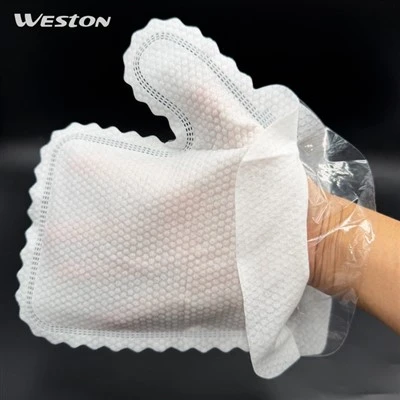
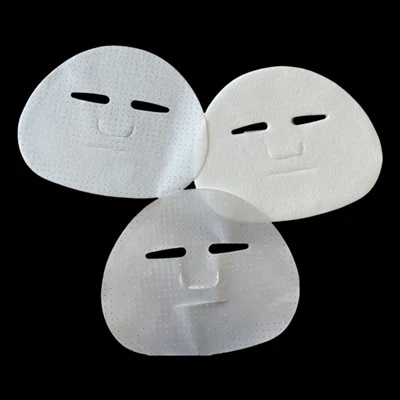
For specialized applications such as disposable cup sleeves or insulating wraps, Botanical Lyocell Spunlace Nonwoven For Masks offers exceptional moisture management and temperature regulation properties. Similarly, 100% Wormwood Spunlace Nonwoven incorporates natural antimicrobial compounds from wormwood, providing built-in protection against bacterial growth without chemical treatments.
The Verdict on 3D Printed Drinkware
So, can you drink out of 3D printed PLA? The answer is nuanced. While occasional use of properly crafted and post-processed 3D printed PLA containers might pose minimal immediate health risks, they are generally not recommended for regular beverage consumption, especially for hot liquids or extended use. The microscopic imperfections inherent in the 3D printing process create bacterial hiding spots that are difficult to clean thoroughly, making them potentially unsuitable for food and beverage contact.
For those determined to use 3D printed drinkware, several precautions can mitigate risks: applying food-safe epoxy resins to seal layer lines, using certified food-safe filaments without additives, dedicating prints for single-use applications, and avoiding harsh detergents that might degrade the material. However, even with these measures, 3D printed PLA remains a suboptimal choice for drinkware compared to traditionally manufactured alternatives.
Embracing Truly Sustainable Solutions
The quest for sustainable drinkware shouldn't end with 3D printed PLA. Truly eco-friendly solutions require consideration of the entire lifecycle-from raw material sourcing to final disposal. Weston Nonwoven's approach to Triple Layer Bamboo Fiber Wood Pulp Spunlace Fabric production exemplifies this holistic thinking, combining rapidly renewable resources with manufacturing processes that minimize energy consumption and waste output.
Unlike 3D printing, which remains primarily a prototyping technology, industrial nonwoven fabrication methods can produce consistent, food-safe materials at scale with minimal material waste. These processes allow for precise control over material properties, creating optimized solutions for specific beverage applications without compromising safety or sustainability.
For businesses and consumers seeking truly sustainable drinkware options, materials like Woodpulp PLA Spunlace offer the biodegradability of PLA with the performance characteristics necessary for practical use. These innovative composites bridge the gap between sustainability and functionality, providing viable alternatives to both conventional plastics and problematic 3D printed solutions.
Exploring Future Possibilities
While current 3D printing technology may not be ideal for producing drinkware, ongoing research into new materials and processes holds promise for the future. Scientists are developing food-safe epoxy coatings specifically for 3D printed objects, high-temperature PLA composites, and even printers capable of achieving smoother surface finishes that minimize bacterial hiding spots.
In the meantime, those interested in experimenting with 3D printed drinkware should prioritize safety by using certified food-grade filaments, implementing appropriate post-processing techniques, and recognizing the limitations of these creations. For most applications, traditionally manufactured sustainable alternatives will provide better performance, greater safety, and comparable environmental benefits without the hidden risks of 3D printed structures.
As we continue to innovate toward more sustainable consumption patterns, the integration of advanced materials like Botanical Lyocell Spunlace Nonwoven For Masks and 100% Wormwood Spunlace Nonwoven into beverage service applications demonstrates how nature-inspired solutions can meet modern performance requirements without compromising environmental values.
For those interested in exploring innovative sustainable materials for drinkware and other food service applications, Weston Nonwoven offers free samples of their advanced nonwoven fabrics. Contact them at info@westonmanufacturing.com to discover how these cutting-edge materials can enhance your sustainable beverage service solutions without the limitations of 3D printed alternatives.