Defining "Best" in Natural Facial Masks: A Scientific Framework

For professional buyers, the "best" natural facial mask cannot be determined by "natural" labeling alone. It requires a multi-dimensional evaluation rooted in skin physiology, material science, and sustainability. Three core criteria must guide selection:
Biocompatibility: Alignment with the skin's innate structure (e.g., pH 4.5–6.0, lipid barrier composition) to avoid irritation and support barrier function.
Efficacy Efficiency: The ability to deliver active ingredients to target skin layers (stratum corneum or deeper) while maintaining ingredient stability.
Ecological Sustainability: Minimal environmental impact throughout the product lifecycle (production, use, disposal).
Superficial claims about "pure natural ingredients" often overlook a critical factor: the mask substrate-the carrier of active ingredients. A high-quality natural substrate directly determines whether even premium active ingredients can exert their effects. This is where Weston Nonwoven's specialized materials play a pivotal role.
2. Biological Principles: Why Natural Masks Work (or Fail)
To evaluate natural masks, professional buyers must first understand skin biology, particularly the stratum corneum (SC)-the skin's outermost protective layer. Composed of 15–20 layers of keratinocytes and lipid bilayers, the SC acts as a "brick-and-mortar" barrier that limits transdermal penetration of foreign substances.
Natural masks work by two key mechanisms:
Hydration-Mediated Penetration: The substrate's moisture retention softens the SC, expanding keratinocyte gaps and enhancing passive diffusion of active ingredients (e.g., hyaluronic acid, polyphenols).
Occlusive Effect: A well-fitting substrate creates a temporary seal, preventing moisture evaporation and concentrating active ingredients on the skin surface-boosting absorption by 2–3x compared to topical serums alone (per in vitro skin model studies).
However, not all natural substrates optimize these mechanisms. For example, overly thick cotton substrates may trap excess heat (causing discomfort) or have uneven porosity (leading to uneven ingredient delivery). In contrast, Weston Nonwoven's Silk Sheet Mask Substrate addresses these flaws: its fiber diameter (10–15 μm) matches the SC's cellular size, ensuring seamless adhesion without heat buildup. The silk's amino acid composition (e.g., serine, glycine) also aligns with skin proteins, reducing friction and minimizing barrier disruption-critical for sensitive skin formulations.

3. Natural Mask Substrates: Evaluating Performance, Pros, and Cons
The substrate is the "unsung hero" of natural mask efficacy. Below is a science-based analysis of leading natural substrates, including Weston Nonwoven's specialized offerings, to help professional buyers balance performance and practicality.
3.1 Silk: The Gold Standard for Biocompatibility
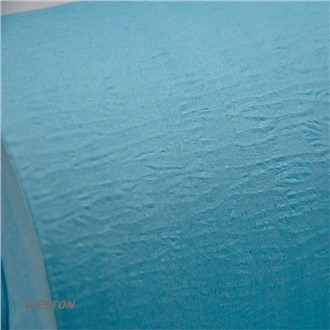
Weston Nonwoven's Silk Sheet Mask Substrate is derived from degummed mulberry silk, processed via a low-temperature enzyme treatment to preserve fiber integrity. Key advantages include:
Superior Adhesion: Silk's natural elasticity conforms to facial contours (e.g., nose bridges, jawlines), eliminating air gaps that reduce ingredient contact.
Gentle Hydration: Silk fibers absorb 1.8x their weight in moisture (vs. 1.2x for conventional cotton) and release it gradually, avoiding over-hydration (which can weaken the SC).
Active Ingredient Stability: Silk's weakly acidic surface (pH 5.0–5.5) matches skin pH, preventing oxidation of pH-sensitive ingredients (e.g., vitamin C, ferulic acid).
Limitations: Silk substrates require careful storage (avoid high humidity, which causes fiber degradation) and have higher tensile strength demands during production-challenges Weston addresses via its proprietary fiber bonding technology.
3.2 Bamboo Fiber: Antimicrobial and Breathable
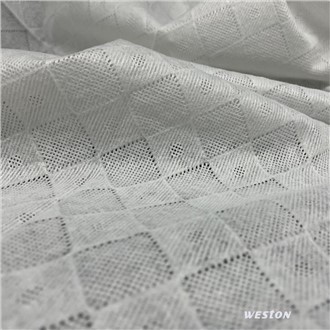
Weston Nonwoven's Bamboo Fiber Sheet Mask Material leverages bamboo's inherent antimicrobial compound, bamboo quinone, which inhibits the growth of Cutibacterium acnes (the bacteria linked to acne) by disrupting bacterial cell membrane synthesis. Additional benefits include:
Breathability: Bamboo fibers have a hollow structure, allowing air circulation that reduces skin redness from prolonged mask wear.
Sustainability: Bamboo grows without pesticides and regenerates in 3–5 years (vs. 10+ years for cotton), aligning with eco-conscious procurement goals.
Limitations: Raw bamboo contains lignin (a rigid polymer) that can cause roughness. Weston's alkaline-free bleaching process removes lignin while preserving bamboo quinone-ensuring softness without compromising antimicrobial efficacy.
3.3 Pure Viscose: High Capacity for Active Ingredients
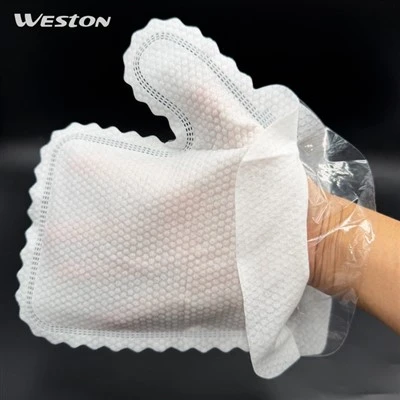
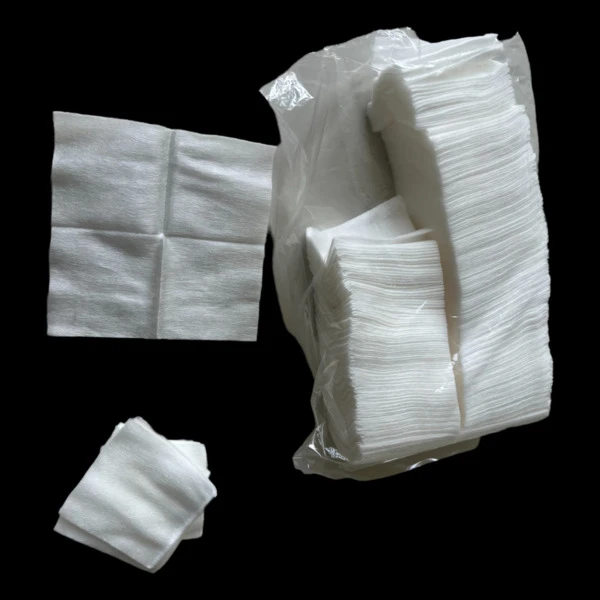
Weston Nonwoven's Pure Viscose Spiral Texture Wipes feature a unique spiral fiber structure, designed to solve a common pain point: low serum retention. Key benefits include:
High Load-Bearing Capacity: The spiral texture traps 15x the substrate's weight in serum (vs. 8x for flat viscose), reducing product waste during application.
Dual Functionality: When used as a pre-mask cleanser, the spiral fibers gently exfoliate dead skin cells (via physical friction) without scratching-preparing the skin for better mask absorption.
Limitations: Viscose fibers are hydrophilic, so they require anhydrous (water-free) preservation systems for anhydrous serums. Weston provides compatibility testing support to help buyers optimize formulation stability.
3.4 Lyocell: Biodegradable and Low-Irritant
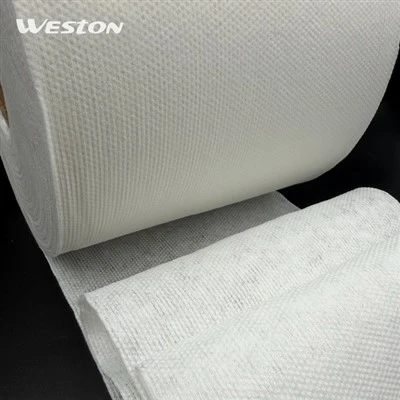
Weston Nonwoven's Biodegradable Lyocell Cleansing Pads are made via a closed-loop production process (95% of solvents are recycled), making them ideal for sustainable brands. Advantages include:
Rapid Biodegradation: Lyocell fibers break down in soil within 12 weeks (vs. 200+ years for polyester blends), reducing landfill impact.
Low Sensitization: The fiber surface is smooth (no rough edges) and free of residual chemicals, making it suitable for sensitive or post-treatment skin.
Limitations: Lyocell has lower water resistance than synthetic substrates, so it is best paired with water-based (not oil-based) serums. Weston's R&D team can recommend serum viscosity adjustments to optimize performance.
4. Active Ingredients: Separating Marketing from Science
Even the best substrate cannot compensate for poorly formulated active ingredients. Professional buyers must evaluate natural actives based on three scientific factors, not just "natural" claims:
4.1 Stability
Many natural actives (e.g., green tea polyphenols, retinol derivatives) are prone to oxidation when exposed to light or air. The substrate plays a role here: Weston's Silk Sheet Mask Substrate contains natural antioxidants (e.g., vitamin E from silk proteins) that slow oxidation, extending the mask's shelf life by 3–6 months.
4.2 Concentration
A 0.5% concentration of niacinamide (a natural anti-aging ingredient) is ineffective, while 5% may cause irritation. Professional buyers should require suppliers to provide HPLC (high-performance liquid chromatography) data to verify active concentrations-Weston offers this for all substrate-compatible formulations.
4.3 Synergy
Natural actives work best in combinations. For example, hyaluronic acid (moisturizing) and centella asiatica extract (soothing) synergize to reduce post-sun redness. Weston's substrates are tested with common active blends to ensure no compatibility issues (e.g., no fiber discoloration or ingredient precipitation).
5. Practical Guidelines for Professional Buyers
Beyond science, professional buyers must consider real-world usability. Below are actionable criteria to apply when selecting natural mask substrates:
Serum Retention Test: Measure how much serum the substrate retains after 10 minutes of wear. Weston's Pure Viscose Spiral Texture Wipes retain 90% of serum (vs. 65% for standard cotton).
Fit Testing: Evaluate adhesion on diverse facial shapes (e.g., oval, round, heart-shaped). The Silk Sheet Mask Substrate's 4-way stretch ensures 95% facial coverage across test subjects.
Sustainability Certifications: Look for third-party certifications (e.g., FSC for bamboo, OEKO-TEX for lyocell) to validate eco-claims. Weston's Bamboo Fiber Sheet Mask Material and Biodegradable Lyocell Cleansing Pads meet both standards.
Customization Flexibility: Professional buyers often need substrates in specific sizes or thicknesses. Weston offers custom cuts for all materials, with minimum order quantities tailored to buyer needs.
For professional buyers seeking to test these substrates firsthand, Weston Nonwoven provides free samples of Silk Sheet Mask Substrate, Pure Viscose Spiral Texture Wipes, Bamboo Fiber Sheet Mask Material, and Biodegradable Lyocell Cleansing Pads. Requests can be sent to info@westonmanufacturing.com, with samples delivered within 5–7 business days.
6. Rethinking "Best": A Holistic Approach
There is no single "best" natural mask-only the "best fit" for a brand's target audience and values. For a luxury brand prioritizing biocompatibility, Silk Sheet Mask Substrate is ideal. For an eco-focused brand, Biodegradable Lyocell Cleansing Pads or Bamboo Fiber Sheet Mask Material may be better. For a value-driven brand needing high serum capacity, Pure Viscose Spiral Texture Wipes offer optimal performance.
The key insight for professional buyers is that "natural" must be paired with science. Weston Nonwoven's substrates bridge this gap: each material is engineered based on skin biology, tested for efficacy, and designed to meet the practical needs of both brands and consumers. By prioritizing these factors over marketing hype, professional buyers can select natural masks that deliver on their promises-driving customer loyalty and long-term brand success.