Are Wet Wipes Bad For Skin?
Wet wipes are not automatically bad for skin, but they can cause dryness, irritation, or allergic reactions when used too often or when the formulation is too harsh. In most cases, the problem comes from the ingredients and friction-not the wipe itself. Choosing gentle materials and mild formulations makes a major difference.
Wet wipes are now part of daily life. People use them for babies, makeup removal, gym cleanup, travel hygiene, and household cleaning. They are convenient and effective, but many consumers still wonder whether frequent wipe use damages the skin barrier over time.
This article explains how wet wipes affect skin, which ingredients matter most, who is more vulnerable to irritation, and how to choose safer products for daily use.
What Is Inside a Wet Wipe?
Most wet wipes have two basic components:
The substrate (fabric sheet)
The lotion or liquid formula
The substrate is usually made from nonwoven materials such as:
- Spunlace nonwoven
- Flushable nonwoven fabric
- Polyester-viscose blends
- Wood pulp blends
The liquid formula typically contains:
Water
Mild surfactants (cleaning agents)
Preservatives
Emollients or moisturizers
Fragrance
Sometimes alcohol or antimicrobial agents
The interaction between the formula and the skin barrier determines whether a wipe feels gentle or irritating.

How Wet Wipes Affect the Skin Barrier
Human skin has a protective outer layer made of lipids and corneocytes. This barrier helps:
Retain moisture
Prevent dryness
Block irritants and bacteria
Certain wet wipe formulations can weaken this barrier over time.
pH Imbalance
Healthy skin is naturally slightly acidic. If wipes use an alkaline formula, the skin barrier may become disrupted, leading to:
- Tightness
- Redness
- Increased sensitivity
Removal of Natural Oils
Strong surfactants or high alcohol content can strip protective skin lipids. This may result in:
- Dry skin
- Flaking
- Irritation
- Burning sensation
Preservatives and Fragrances
Some people react to:
- Synthetic fragrances
- Harsh preservatives
- Certain antimicrobial chemicals
These ingredients may trigger:
- Irritant contact dermatitis
- Allergic reactions
- Itching and inflammation
Who Is Most Sensitive to Wet Wipes?
Some groups are more likely to experience skin problems from wipes.
Babies
Infant skin is thinner and more delicate. Frequent wiping during diaper changes increases exposure to moisture and friction.
People With Skin Conditions
Individuals with:
Eczema
Rosacea
Psoriasis
Chronic dry skin
often have weaker skin barriers and react more easily to preservatives or fragrances.
Older Adults
Aging skin loses elasticity and natural oils, making it more vulnerable to friction and irritation.
Frequent Users
People who use wipes many times daily-especially on the face or intimate areas-have a higher risk of irritation.
Benefits vs. Risks of Wet Wipes
Wet wipes provide real hygiene benefits, especially when soap and water are unavailable. However, convenience should be balanced with proper product selection and moderate use.
Practical Comparison of Common Wet Wipe Types
|
Wipe Type |
Softness |
Wet Strength |
Skin-Friendliness |
Typical Use |
Environmental Note |
|
Spunlace nonwoven wipes |
High |
High |
Good with mild lotion |
Baby wipes, personal care |
Usually non-flushable |
|
Flushable nonwoven wipes |
Medium to High |
Variable |
Depends on formula |
Toilet use, travel hygiene |
Designed to disperse |
|
Antimicrobial/disinfecting wipes |
Medium to Low |
High |
Often harsh on skin |
Surface cleaning |
Usually disposable |
|
Alcohol-based wipes |
Medium |
High |
Drying with frequent use |
Hand sanitizing |
Fast evaporation |
Why Spunlace Nonwoven Is Common in Skin-Friendly Wipes
Spunlace nonwoven materials are widely used in premium wet wipes because they combine:
- Soft texture
- Low abrasion
- Good absorbency
- Strong wet strength
Hydroentanglement technology bonds fibers using high-pressure water instead of chemical binders. This helps create softer materials suitable for:
Baby wipes
Cosmetic wipes
Sensitive-skin applications
Compared with rougher substrates, spunlace wipes reduce friction during wiping, which helps protect the skin barrier.
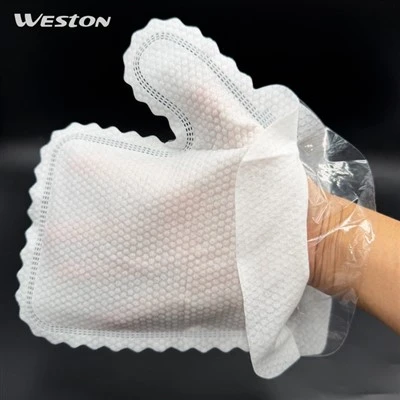
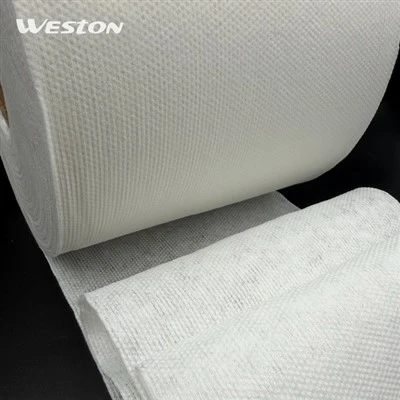
Some wet wipes suppliers and manufacturers, including Weston Nonwoven, produce spunlace nonwoven and flushable nonwoven fabrics specifically designed for hygiene and personal-care wipes.
Signs a Wet Wipe May Be Too Harsh
Stop using a wipe if you notice:
Persistent redness
Burning
Itching
Dry patches
Rash formation
Peeling skin
Symptoms often improve after switching to gentler products and reducing wipe frequency.
How To Choose Wet Wipes for Sensitive Skin
Choose Fragrance-Free Formulas
Fragrance is one of the most common irritants in skincare products.
Look for:
- Fragrance-free
- Unscented
- Sensitive skin labels
Look for pH-Balanced Products
A skin-friendly pH helps maintain barrier stability and reduces irritation risk.
Avoid Excessive Alcohol
Alcohol-based wipes dry quickly but can remove natural oils and worsen sensitivity.
Select Softer Substrates
Soft spunlace materials reduce mechanical irritation compared with rougher or stiffer wipe fabrics.
Check Safety Documentation
For baby wipes or cosmetic wipes, reputable suppliers often provide:
Dermatological testing
Hypoallergenic claims
Formaldehyde-free statements
Food-contact or skin-contact safety documentation

Proper Ways To Use Wet Wipes Without Damaging Skin
Using wipes gently matters almost as much as choosing the right formula.
Pat Instead of Rubbing
Aggressive rubbing increases friction and weakens the skin barrier.
Avoid Overuse
Occasional use is far less likely to cause irritation than constant daily dependence.
Follow With Regular Cleansing
When possible, use gentle soap and water after heavy makeup removal or sweaty activities.
Let Skin Dry Naturally
For diapering or intimate care, allowing the skin to air dry briefly helps reduce moisture-related irritation.
Wet Wipes for Babies: Are They Safe?
Most baby wipes are safe when:
Alcohol-free
Fragrance-free
Dermatologically tested
Used gently
However, babies with diaper rash or eczema may react to certain preservatives or fragrances. In these cases:
Plain water
Soft cloths
Minimal wiping
may work better temporarily.
Are Disinfecting Wipes Safe for Skin?
Disinfecting wipes are mainly designed for surfaces, not repeated skin contact.
They often contain:
High alcohol levels
Quaternary ammonium compounds
Strong antimicrobial agents
These ingredients can damage the skin barrier with repeated use. Unless specifically labeled for skin or hands, disinfecting wipes should not replace personal hygiene wipes.
Environmental Considerations
Many standard wet wipes are not biodegradable and should not be flushed.
Consumers increasingly prefer:
Plastic-free wipes
Biodegradable spunlace materials
Properly dispersible flushable nonwoven fabrics
However, not all products labeled "flushable" perform equally well in plumbing systems.
What Manufacturers Should Improve
Better wet wipes usually come from better formulation choices.
Manufacturers should focus on:
Mild surfactants
Low-irritation preservatives
Minimal fragrance
Balanced pH systems
Softer nonwoven substrates
Clear ingredient transparency
For wet wipes suppliers, combining gentle lotions with high-quality spunlace materials improves both performance and skin compatibility.
When To See a Doctor
Consult a dermatologist if symptoms:
Persist after stopping wipe use
Become painful
Spread across larger skin areas
Include blistering or swelling
Patch testing may help identify allergic reactions to specific preservatives or fragrances.
Practical Alternatives to Constant Wipe Use
For daily cleansing, these options may reduce skin irritation:
Soft reusable cloths with water
Gentle facial cleansers
Oil cleansers for makeup removal
Mild soap and lukewarm water
Travel-size cleansers instead of frequent wipes
A Balanced View on Wet Wipes
Wet wipes are useful hygiene products, not inherently harmful products. Problems usually come from harsh ingredients, excessive friction, or overuse. Gentle formulations combined with soft spunlace nonwoven substrates are generally much better tolerated by skin.
For consumers, choosing fragrance-free and pH-balanced wipes helps reduce irritation risk. For wet wipes suppliers and manufacturers, careful material selection, transparent safety documentation, and mild formulations are key to creating safer and more skin-friendly products.