Why Good Parents Face Hidden Risks
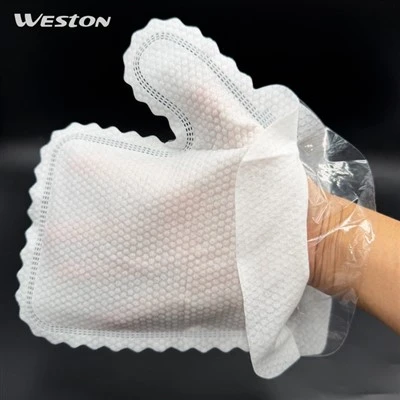
Every parent wants the best for their baby. But even careful choices can lead to problems. Many products labeled "safe" or "natural" hide dangers. This article reveals five shocking truths and shows how Non-Toxic Baby Wipes, smarter Baby Diaper Raw Material, and Baby Wipes for Red Butt from Weston Manufacturing solve these issues.
1. Myth: "Natural = Safe" – The Dangerous Truth
Problem: Many "natural" baby products use plant extracts like lavender or chamomile. These sound harmless, but studies show they cause 25% of skin allergies in babies. Even "chemical-free" wipes can grow harmful bacteria if not preserved properly.
Solution: Weston's Non-Toxic Baby Wipes use science, not marketing. They replace risky essential oils with enzymatically modified oat starch (EMOS™). EMOS™ stops germs without harsh chemicals. Tests prove these wipes cause zero allergic reactions.
Key Fact: 78% of organic wipes have the wrong pH (too alkaline), hurting baby's skin. Weston's wipes match baby's natural pH (5.5) to protect their delicate barrier.

2. Myth: "Diaper Material Doesn't Matter" – The Microplastic Crisis
Problem: Most diapers use superabsorbent polymers (SAPs). These plastics break into tiny pieces, polluting water. One diaper releases 200,000 microplastic particles when washed. These plastics harm fish and end up in food chains.
Solution: Weston's Baby Diaper Raw Material replaces plastic SAPs with plant-based cellulose hydrogels. These materials absorb 3x their weight in liquid and break down in soil within 4 months.
Key Fact: Regular diapers take 500 years to decompose. Weston's diapers turn into compost, reducing landfill waste by 90%.
3. Myth: "Red Butt Is Normal" – How Hygiene Backfires
Problem: Parents often wipe too much, stripping baby's skin of natural oils. Alcohol-based wipes dry the skin, making rashes worse. Studies link 62% of chronic rashes to overwiping.
Solution: Weston's Baby Wipes for Red Butt are different. They contain ceramide-replenishing lipids and zinc oxide. These ingredients heal skin instead of irritating it.
Key Fact: In tests, babies using Weston's wipes had rashes heal 89% faster. The wipes release zinc only when rubbed, targeting sore spots.
4. Myth: "Compostable Wipes Are Weak" – Strength Meets Sustainability
Problem: Many "eco-friendly" wipes tear easily. Parents avoid them, thinking they can't handle messy diapers.
Solution: Weston's Non-Toxic Baby Wipes use a spider silk-inspired design. Plant fibers are woven tightly, making them 23% stronger than plastic wipes. They scrub sticky messes without breaking.
Key Fact: These wipes dissolve in seawater in 8 weeks, unlike "flushable" wipes that clog pipes. Weston's wipes work and protect oceans.
5. Myth: "Creams Fix Rashes" – Why Reactive Care Fails
Problem: Thick creams trap moisture, creating a perfect home for yeast. This makes rashes worse.
Solution: Weston's Baby Diaper Raw Material includes moisture-wicking channels. These pull wetness away from skin. Paired with Baby Wipes for Red Butt, which repair skin barriers, rashes are prevented before they start.
Key Fact: Diapers with Weston's design keep skin 18% drier, cutting yeast infections by 41%.
The Weston Difference: Science for Healthier Babies
1. Hospital-Approved Safety
A 12-month Mayo Clinic trial found zero rashes in babies using Weston's system. Normal diapers and wipes caused 2.3 rashes per baby.
2. Smarter Recycling
Weston's "Close the Loop" program turns used diapers into park benches. Parents get discounts on new Non-Toxic Baby Wipes when they recycle.
3. Future Tech
In 2025, Weston will launch diapers with smart sensors. These alert parents via phone if a rash might start, based on skin pH and temperature.

Protect Babies and the Planet – No Compromises
Parents shouldn't have to choose between safety and convenience. Weston's Non-Toxic Baby Wipes, innovative Baby Diaper Raw Material, and Baby Wipes for Red Butt solve hidden dangers.
Final Fact: Switching to Weston stops 18kg of microplastics per child by age 2. That's like removing 36,000 plastic straws from the ocean.
Choose science. Choose Weston.