Are Cotton Pads Better for Sensitive Skin?
If you have sensitive skin, you've probably stood in the skincare aisle staring at cotton pads, thinking: "Is 'natural cotton' enough to keep my skin from redness or itching?" Spoiler: It's not. The myth that "cotton = automatically gentle" has misled too many of us-sensitive skin doesn't care about marketing buzzwords; it cares about what's in the cotton and how you use it. Let's break this down with no fluff, just facts, to help you decide if cotton pads (or cotton-based products) are right for your delicate skin.
1. Not All Cotton Is Created Equal-Here's the Science
The first mistake most people make is assuming any "cotton" product works for sensitive skin. Cotton's gentleness depends entirely on its fiber type and whether it's processed with harsh chemicals.
Short-fiber cotton: This is the cheap, common type found in most drugstore cotton pads. Its short, loose fibers shed tiny threads when rubbed, which act like micro-abrasives on sensitive skin. Over time, this can scratch your skin barrier-making it more prone to dryness and irritation.
Long-staple cotton: The game-changer for sensitive skin. Fibers here are longer, smoother, and stronger, so they don't shed or rub raw. Look for labels like "Egyptian cotton" or "Pima cotton"-or better yet, Unbleached 100% Cotton. Unbleached versions skip the chlorine or peroxide used to whiten cotton, which are major irritants for easily triggered skin.
Blended cotton: Steer clear. These mix cotton with synthetic fibers (like polyester) to cut costs. Synthetics trap friction and can leach tiny chemicals, leading to that "tight, itchy" feeling hours after use.

2. Hidden Irritants: It's Not Just the Cotton
Even 100% cotton can harm sensitive skin if it's loaded with additives. Manufacturers often sneak these in to make products look or feel "nicer"-but they're a disaster for delicate skin:
Fluorescent whitening agents: These chemicals make cotton pads look "bright and clean," but they disrupt your skin's natural pH balance. A 2022 study in the Journal of Cosmetic Dermatology found that 30% of sensitive skin users reported redness after using whitened cotton products.
Fragrances (even "unscented"): "Unscented" doesn't mean "fragrance-free"-it often means the product has masking scents to hide chemical smells. These scents trigger contact dermatitis in 1 in 4 people with sensitive skin.
Softening agents: Silicones or mineral oils are added to make cotton feel "luxurious," but they clog pores and prevent skin from breathing. If your cotton pad feels overly soft (like a fabric softener-treated towel), put it back.
3. How to Choose the Right Cotton Product: A Comparison Chart
To make it easier, here's a breakdown of common cotton-based products for sensitive skin-including what to look for (and avoid):
|
Product Type |
Fiber Quality |
Additives? |
Irritation Risk |
Best For |
|
Drugstore cotton pads |
Short-fiber cotton |
Whitening agents, fragrances |
High |
Quick, one-time use (avoid for daily) |
|
Unbleached 100% Cotton pads |
Long-staple cotton |
None |
Low |
Daily toner application, light makeup removal |
|
Sensitive Skin Washcloths |
Organic long-staple cotton |
Fragrance-free, no softeners |
Very Low |
Deep (gentle) cleansing, removing sunscreen |
|
Cotton-polyester blends |
Mixed fibers |
Often has softeners |
Very High |
Non-skin uses (e.g., applying nail polish remover) |
4. Common Mistakes That Irritate Sensitive Skin
Even if you pick the right cotton product, how you use it can undo all the good. Here are the top errors sensitive skin users make:
Rubbing, not patting: Scrubbing a cotton pad to remove makeup or toner wears down your skin barrier. Instead, pat toner gently onto your face, or hold a damp cotton pad on makeup for 10 seconds to dissolve it (no rubbing needed).
Using too many layers: Thick, "ultra-absorbent" cotton pads might seem like a good value, but more layers mean more friction. Opt for thin, single-layer Unbleached 100% Cotton pads-they're just as effective with less irritation.
Reusing cotton products: Reusing cotton pads or washcloths traps bacteria, which causes breakouts and redness. Always use a fresh one, and wash Sensitive Skin Washcloths in fragrance-free detergent.
5. When to Skip Cotton Pads (and What to Use Instead)
Cotton pads aren't mandatory for sensitive skin-sometimes, skipping them is better. Here are the best alternatives for high-irritation tasks:
Creamy cleansers/balms: These melt away makeup and sunscreen without needing a cotton pad. Just massage onto dry skin, then rinse with lukewarm water (hot water irritates too!).
Lint-free microfiber cloths: Softer than cotton, they don't shed and require less pressure. Great for removing heavy sunscreen.
Cotton Face Cleansing Wipes: For on-the-go use, look for wipes made with Unbleached 100% Cotton and no added fragrances. They're pre-moistened with gentle ingredients (like hyaluronic acid) to clean without drying-perfect for travel or post-workout touch-ups.
6. Final Verdict: Cotton Pads Can Be Good-If You Choose Wisely
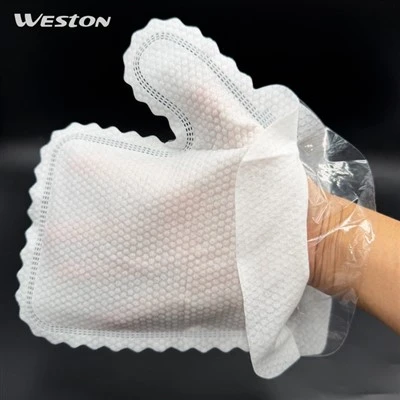
So, are cotton pads better for sensitive skin? Yes-but only if they're Unbleached 100% Cotton, long-staple, and free of additives. Products like Sensitive Skin Washcloths or fragrance-free Cotton Face Cleansing Wipes (when used gently) can be kinder to delicate skin than harsh synthetics or over-processed cotton. If you want to test a trusted option, Weston Nonwoven offers Unbleached 100% Cotton products, including Cotton Face Cleansing Wipes and Sensitive Skin Washcloths, designed for low irritation. You can request a free sample by emailing info@westonmanufacturing.com.
At the end of the day, sensitive skin's golden rule is: Less is more. Skip the fancy additives, choose simple cotton, and pat-not rub. Your skin will thank you.