What Type of Cloth Is Best for Washing Dishes?
1. Opening: Most Dish Cloths Fail for a Simple Reason
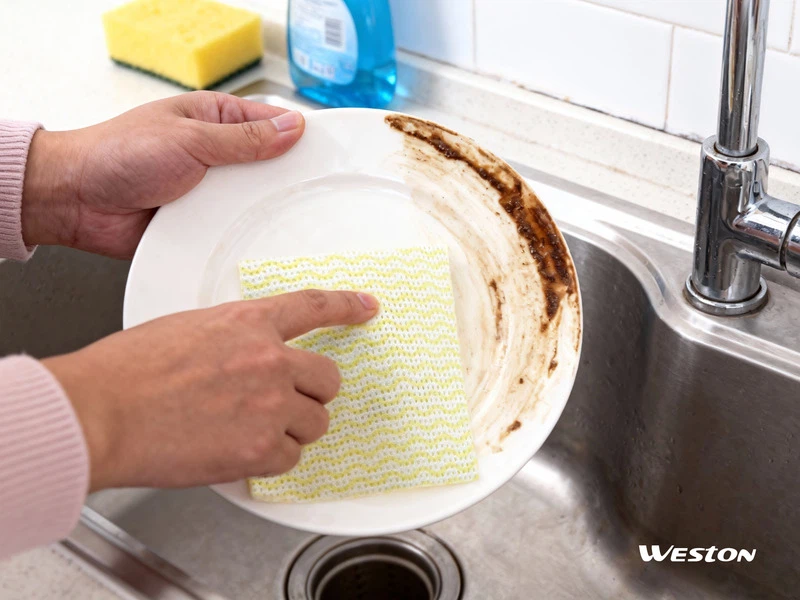
Many kitchen cloths look soft at first but become smelly, greasy, or weak after only a few uses.
The real issue is not "cleaning power." It is moisture control, fiber structure, and drying speed.
A good dishwashing cloth should:
- absorb water quickly
- rinse out food residue easily
- dry fast
- stay soft after repeated use
- avoid trapping odor
Quick reality check:
A thick cloth is not always better.
A cheap microfiber towel is not always hygienic.
Natural fibers are returning because people want safer and simpler kitchen materials.
2. What Actually Makes a Good Dishwashing Cloth?
Key performance factors people often ignore
- Water absorbency
- Wet strength
- Fast drying
- Low lint
- Soft hand feel
- Easy rinsing
- Oil and grease release
- Skin friendliness
- Disposable vs reusable balance
Why texture matters more than marketing
Smooth cloths may push grease around instead of lifting it.
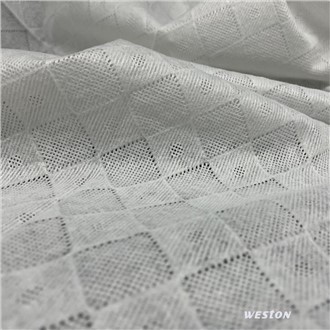
Mesh and spunlace structures help trap particles while remaining breathable.
Lightweight fabrics often dry faster than heavy woven towels.
3. Cotton Cloths: Familiar, Soft, but Not Always Practical
Why people still love cotton
Natural touch
Comfortable in the hand
Safe feeling for food-contact cleaning
Good water absorption
The hidden weakness
Traditional woven cotton can stay wet too long.
Slow drying often leads to odor buildup.
Thick cotton towels may become heavy and greasy after repeated kitchen use.
A smarter direction
100% cotton spunlace nonwoven cloths combine softness with faster drying.
Lighter structure improves hygiene and convenience.
4. Viscose Dish Cloths: Quietly Becoming a Kitchen Favorite
What makes viscose useful for dishwashing
Excellent absorbency
Soft texture
Easy to rinse clean
Comfortable for daily wiping
Why spunlace viscose works especially well
Hydroentangled fibers create a flexible but durable cleaning surface.
Good balance between softness and strength.
Suitable for disposable or reusable kitchen wipes.
Practical point
For daily dishwashing, many people need a cloth that feels light, dries quickly, and does not hold odor. Viscose performs well in all three areas.
5. Bamboo Fiber Cloths: Soft, Modern, and Consumer-Friendly
Why bamboo fiber attracts attention
Plant-based image
Soft hand feel
Breathable structure
Popular in eco-conscious households
Important reality check
Not all "bamboo cloths" are equal.
Fiber blending, bonding process, and fabric density matter more than the word "bamboo" alone.
Best use cases
Light kitchen cleaning
Dish drying
Table wiping
Gentle surface cleaning
6. PLA and Lyocell: The New Generation of Kitchen Cleaning Materials
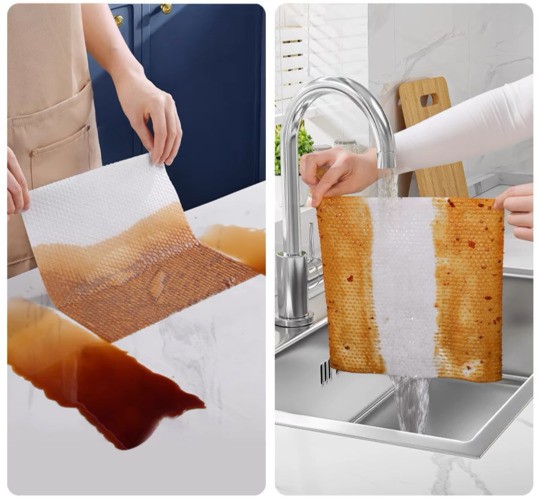
Why newer plant-based fibers matter
Consumers increasingly want lower-plastic kitchen products.
Compostable or renewable-source materials are becoming part of modern packaging and household trends.
PLA nonwoven cloths
Derived from plant resources
Lightweight and clean-looking
Suitable for disposable kitchen wipe applications
Lyocell cleaning cloths
Smooth fiber structure
Strong absorbency
Soft but durable
Good for premium kitchen cleaning products
Key insight
Sustainability is no longer only about "being green."
People now expect eco-friendly products to also clean well and feel practical.
7. Disposable vs Reusable: Which One Is Better?
Disposable cloths
Advantages
Cleaner for high-frequency kitchen use
Convenient
Less odor buildup
Limitations
Higher usage volume
Material choice becomes very important
Reusable cloths
Advantages
Lower long-term cost
Stronger structure
Better for heavy cleaning
Limitations
Require proper drying
Poor-quality cloths become unhygienic quickly
The smarter answer
Many kitchens now combine both:
durable cloths for heavy cleaning
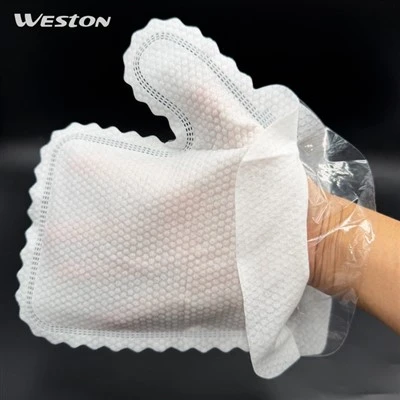
disposable spunlace wipes for fast daily tasks
8. Why Spunlace Nonwoven Technology Fits Modern Kitchens
What spunlace really changes
No stiff glue-heavy feeling
Softer surface
Better flexibility
Strong wet performance
Better cleaning comfort
Why factories are moving toward plant-based spunlace materials
Consumers want softer and safer cleaning products.
Retail brands need eco-friendly product stories.
Food-contact cleaning products require cleaner material solutions.
Industry shift
Traditional woven rags are slowly losing ground to engineered nonwoven kitchen wipes.
9. Weston Nonwoven: Building Kitchen Wipes Around Real Use, Not Empty Claims
Company background
Over 20 years focused on spunlace nonwoven manufacturing.
Experience in kitchen cleaning and wiping materials.
Material capabilities
100% viscose
Bamboo fiber
100% cotton
PLA
Lyocell
Other plant-based fiber solutions
Product flexibility
Hydrophilic treatments
Soft-touch surfaces
Disposable or durable structures
Custom textures and weights
Kitchen wipes and dishwashing cleaning products
Practical manufacturing philosophy
A good kitchen cloth should feel simple, work reliably, and fit real daily cleaning habits.
10. Final Conclusion: The "Best" Dish Cloth Depends on What People Actually Need
There is no perfect universal cloth
Heavy grease cleaning needs strength.
Fast daily wiping needs quick drying.
Eco-focused households want plant-based materials.
Food-service kitchens prioritize hygiene and efficiency.
The strongest modern option
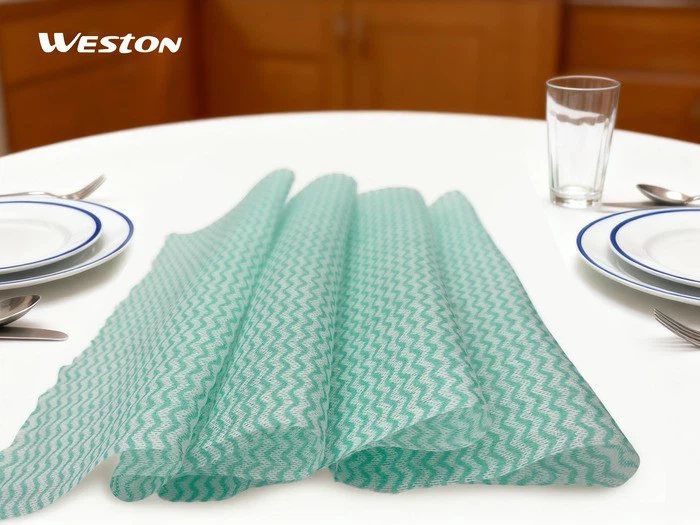
Soft spunlace nonwoven cloths made from plant-based fibers are becoming one of the most balanced choices for modern kitchens.
Final takeaway
The future of dishwashing cloths is not about making towels thicker.
It is about making cleaning lighter, cleaner, faster drying, and more practical for everyday life.