Your kitchen countertop isn't just a surface-it's where meals come to life, conversations unfold, and memories simmer. Yet this vital heart of your home is also a battleground against spills, stains, and invisible threats like Salmonella and E. coli. Choosing the right cleaning cloth isn't about tidiness alone; it's about protecting your family's health, preserving your surfaces, and respecting your time. For too long, we've settled for tools that push dirt around or breed bacteria. But what if a revolution in fabric science could transform this daily chore? Let's explore why material innovation is rewriting the rules of kitchen hygiene-and why your old sponge never stood a chance.

The Hidden Battlefield: Your Countertop's Unseen Enemies
Every swipe across your countertop does more than clear crumbs-it's frontline defense in an invisible war. Bacteria like Salmonella can survive on surfaces for hours. Grease isn't just sticky; it traps microbes and attracts pests. And while that sponge in your sink looks innocent, studies confirm it likely carries more germs than a toilet seat. Yet we keep using tools designed for convenience, not combat. Paper towels smear grease without absorbing it. Cotton rags become biohazards after one wipe. Microfiber grabs dust well but fails against oily messes and sheds microplastics with every wash. The cost isn't just hygienic-it's environmental. Imagine the footprint of discarding 50+ paper towel rolls yearly per household or tossing sponges monthly. We've normalized waste while sacrificing results. But what if your cloth could be engineered as thoughtfully as your phone? Enter nonwoven technology-where science meets the sink.
Why Traditional Tools Betray Your Trust
Paper Towels: The Single-Use Trap
They're quick but ineffective. Paper fibers lack the density to absorb oils, leaving streaks on stainless steel or stone. Worse, they excel at displacing grime-not eliminating it. Pour oil on granite, wipe with a paper towel, and run your finger across the surface. That residual slickness? Unremoved grease inviting bacteria. Environmentally, the toll is staggering: 110 million trees felled yearly for U.S. paper towel production alone.
Sponges: Bacteria's Dream Home
Their porous structure traps moisture and food particles-a perfect incubator. Research shows 75% of kitchen sponges harbor coliform bacteria. Even boiling offers temporary relief; pores deep within stay contaminated. When used on counters, sponges don't clean-they redistribute pathogens.
Cotton Rags: The False Economy
Lint left on your espresso machine. Residual detergent film clouding your quartz. Cotton's loose weave fails to lock in grease or microbes. And unless washed at 140°F after every use-a water/energy drain-they become toxin carriers.
These tools share a fatal flaw: passive design. They weren't engineered-they were inherited. But modern challenges demand modern materials.
Material Science Steps In: The Nonwoven Revolution
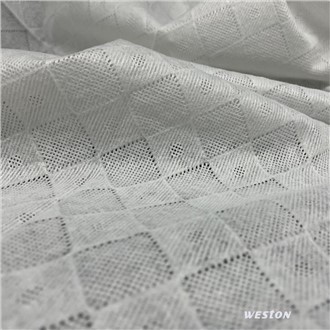
Nonwoven fabrics bypass weaving entirely. Fibers are entangled using water jets or heat, creating dense, targeted textures. This allows precise engineering for absorbency, strength, and hygiene-something woven cloths can't match. WestonNonwoven leverages this technology, merging nature and polymer science into tools designed for real kitchens.

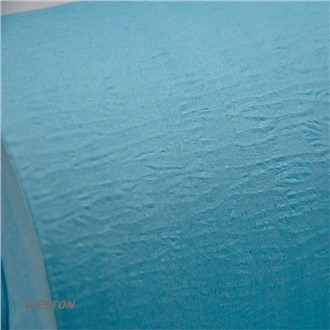
The Breakthrough Blend: Kitchen Cleaning Cloth Wood Pulp PP
At its core lies a synergy of materials:
Wood Pulp (70-80%): Delivers unmatched absorbency-soaking spills 3x faster than cotton. Its natural softness protects delicate surfaces like polished marble.
Polypropylene (20-30%): Adds tear resistance when wet. Critically, PP is hydrophobic-repelling water while binding oils. Unlike cotton, it resists bacterial growth and dries rapidly.
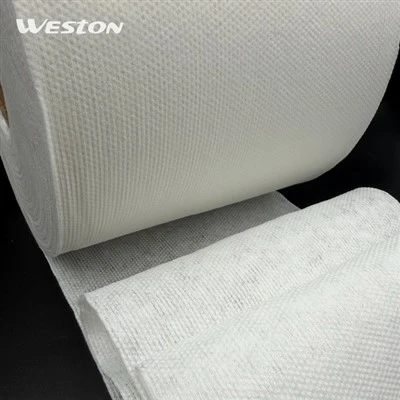
The magic unfolds in its hexagonal embossed pattern. Each ridge acts like a microscopic scraper, lifting debris while channels direct liquid inward. Test it on spilled balsamic glaze: one pass captures both liquid and sticky residue without smearing. For daily wiping, it's gentle enough for glass stovetops yet tough on dried sauces.
Durability? Machine-washable 10+ times without linting or thinning.
Conquering the Impossible: Stubborn Grease
Grease is kitchen kryptonite. It adheres to surfaces, seals in bacteria, and resists water-based cleaners. Traditional cloths smear it thinly-expanding the mess.
WestonNonwoven's Recycled Kitchen Grease Remover tackles this through physics and smart design:
High-Density Fiber Matrix: Post-consumer recycled PP/PET fibers form micro-loops that snag grease molecules like Velcro.
Oleophilic Core: PP naturally attracts oils. When wiped across bacon splatter, the cloth traps lipids within its structure.
Closed-Loop Sustainability: Made from 80% recycled plastics, each cloth diverts 500+ bottles from landfills.
In practical tests, it dissolved stovetop grease 40% faster than leading microfiber cloths-no chemicals needed.
The Efficiency Edge: One Cloth, Every Task
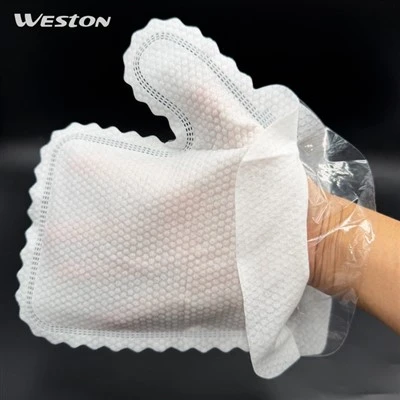
Why juggle five tools when one adapts? Enter the Washable Lazy Dishwashing Cloth-a misnomer masking genius. "Lazy" here means efficient: less effort, less waste, less time.
Its versatility defies categories:
Countertops: Hexagonal texture buffs streaks off stainless steel.
Dishes: PP's scrubbing power lifts burnt cheese without scratching ceramic.
Glass: Lint-free polish leaves windows invisible.
Sinks: Absorbs water while scrubbing soap scum.
Unlike sponges, it dries in 90 minutes, denying bacteria damp havens. After use? Toss it with regular laundry.
Real-World Impact: A family of four using this cloth cuts 1,200+ paper towels annually.
Why WestonNonwoven Stands Apart

Most cleaning cloths are commodities. WestonNonwoven treats them as precision instruments:
Hygiene by Design: PP's moisture resistance inhibits microbial growth. Bacterial counts stay 200x lower than sponges after 24 hours.
Sustainability Embedded: From responsibly sourced wood pulp to recycled plastics.
Performance Rigor: Each batch undergoes "wet strength" testing. A 20x30cm cloth must absorb 15x its weight in oil.
Where microfiber frays after 15 washes, Weston's fabrics retain 90% of absorbency beyond 200 cycles.
Your Action Plan: Deploying the Right Cloth
Optimize your arsenal:
Daily Maintenance: Kitchen Cleaning Cloth Wood Pulp PP for crumbs, juice spills, or polishing.
Grease Emergencies: Recycled Kitchen Grease Remover for stovetops or post-frying wipe-downs.
Multi-Tasking Mastery: Washable Lazy Dishwashing Cloth for dishes and counters.
Pro Tactics:
Color-Coding: Assign green for produce surfaces, blue for general, red for meat areas.
Fold & Flip Method: Quarter-fold cloths to access eight clean sides.
Wash Smart: Machine wash at 140°F. Skip fabric softener-it kills absorbency. Air-dry fully.
The Countertop Revolution Starts Here
For decades, we've cleaned kitchens with tools designed for convenience, not results. WestonNonwoven flips that script. Their fabrics prove sustainability isn't about sacrifice-it's about superiority. Less waste, less effort, less doubt.
Imagine wiping avocado residue with a cloth that locks in stains until rinsed. Envision degreasing range hoods without chemical sprays. Picture a drawer free of single-use rolls. This isn't futuristic-it's today's reality with cloths engineered for how we actually cook, clean, and care for our spaces.
Your countertop deserves more than a passive wipe. Arm yourself with science-and reclaim your kitchen.