A Scientific Perspective on Modern Nonwoven Fruit Covers
In modern agriculture, the quest for optimizing yield and quality has led to significant innovations in crop protection technologies. Among these, nonwoven fruit protection bags represent a critical advancement, merging material science with practical horticulture. This article examines the functional principles, benefits, and challenges of nonwoven fruit covers, with a focus on high-density polyethylene (HDPE) and other innovative nonwoven materials.

Understanding Nonwoven Fabrics in Agricultural Applications
Nonwoven fabrics are engineered materials made from oriented or randomly oriented fibers, bonded together through mechanical, thermal, or chemical means. Unlike traditional woven materials, nonwovens offer unique characteristics such as controlled porosity, lightweight structure, and tailored durability. These properties make them ideal for agricultural uses where breathability, protection, and environmental adaptability are essential.
In fruit cultivation, the application of protective covers serves multiple purposes: shielding from pests, mitigating physical damage, and moderating microclimatic conditions. The shift from traditional materials like paper or polyethylene films to advanced nonwovens reflects a deeper understanding of plant physiology and ecological sustainability.
The Functional Mechanics of Fruit Protection Covers
Protective fruit bags operate on several physical and biological principles. The primary function is to create a barrier against insects and birds without compromising the necessary exchange of gases and moisture. The material's porosity allows oxygen and carbon dioxide to diffuse, supporting respiration and photosynthesis, while reducing the risk of fungal infections by minimizing excess humidity.
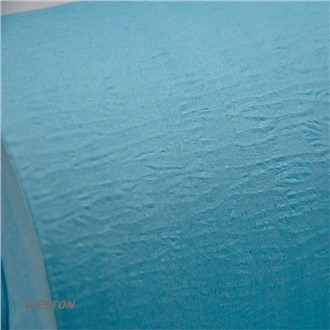
Another critical aspect is light modulation. Depending on the crop, varying levels of sunlight exposure are required for optimal pigmentation and sugar accumulation. Color-Coded HDPE Nonwoven Fruit Covers exemplify how material innovation can address this need. By integrating color signals, these covers not only facilitate operational efficiency for farmers but also influence the light spectrum reaching the fruit, potentially enhancing qualitative traits such as color uniformity and sugar content.
Moreover, the physical structure of nonwovens provides mechanical protection against abrasion, wind, and hail, which is particularly valuable in high-value fruit production.
Material Considerations: HDPE and Beyond
High-density polyethylene (HDPE) is widely used in nonwoven agricultural textiles due to its resistance to tearing, UV degradation, and moisture. HDPE-based nonwovens balance durability with breathability, making them suitable for long-term field exposure.
However, material selection must align with specific agronomic requirements. For instance, Heavy-Duty 100% Viscose Non-Woven Fabric For Road Maintenance highlights the versatility of nonwovens beyond agriculture. While not directly used for fruit protection, such heavy-duty applications underscore the potential for cross-industry material innovation-where strength and environmental resistance are paramount.
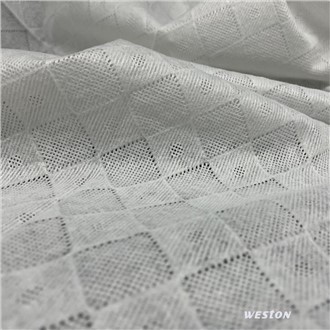
For fruit covers, additional materials such as spunlace or viscose may be integrated to improve softness, biodegradability, or water retention properties. Plant-Based Wipes and High Quality Gardening Spunlace Fabric are examples of how nonwovens can be adapted for gentler applications, suggesting potential for future fruit protection solutions that prioritize sustainability.
Advantages of Advanced Nonwoven Fruit Covers
The adoption of modern nonwoven covers offers numerous benefits:
Pest and Disease Management: By acting as a physical barrier, these covers reduce the need for chemical pesticides, supporting integrated pest management (IPM) strategies.
Microclimate Control: Nonwovens can reduce sunscald, mitigate temperature fluctuations, and prevent rain-induced cracking in delicate fruits.
Improved Fruit Quality: Enhanced microconditions and reduced scarring contribute to higher marketable yield and improved appearance.
Operational Efficiency: Color-coding, as seen in products like Color-Coded HDPE Nonwoven Fruit Covers, simplifies identification and management during different growth stages.
Reusability and Waste Reduction: Durable designs allow multiple-season use, diminishing waste compared to single-use alternatives.
Challenges and Limitations
Despite their advantages, nonwoven fruit covers are not without limitations:
Cost of Implementation: Initial investment can be higher than traditional methods, though life-cycle cost may be lower.
Labor Intensity: Application and removal require significant manual effort, which can be a constraint in large-scale operations.
Material Degradation: While designed for durability, prolonged UV exposure and mechanical stress can compromise integrity over time.
Ecological Concerns: Although better than plastic films, synthetic nonwovens still contribute to microplastic pollution if not managed properly post-use.
These challenges underline the need for continuous innovation in material design, end-of-life management, and application techniques.
Integrating Sustainability: The Role of Material Innovation
The future of fruit protection lies in developing materials that are not only functional but also environmentally sound. Bio-based polymers, recyclable materials, and designs that facilitate decomposition under certain conditions are gaining attention.
For instance, the development of Plant-Based Wipes signals a shift toward renewables in nonwoven technology. Similarly, advanced High Quality Gardening Spunlace Fabric demonstrates how hydroentanglement technology can produce soft yet strong fabrics with minimal chemical treatment.
Manufacturers like Weston Nonwoven are exploring these avenues, aiming to offer products that align with circular economy principles-without compromising on performance.

A Note on Practical Implementation
Selecting the right fruit cover requires a clear understanding of local growing conditions, crop type, and sustainability goals. Growers should consider material composition, expected lifespan, and end-of-life options.
For those interested in evaluating advanced options, Weston Nonwoven provides Color-Coded HDPE Nonwoven Fruit Covers that integrate functionality with usability. Furthermore, their expertise in heavy-duty and gardening nonwovens-such as Heavy-Duty 100% Viscose Non-Woven Fabric For Road Maintenance and High Quality Gardening Spunlace Fabric-reflects a commitment to cross-disciplinary innovation.
A free sample of their fruit protection solutions can be requested via info@westonmanufacturing.com for hands-on assessment.
Moving Forward: Aligning Technology with Ecology
The integration of nonwoven technology into agriculture represents more than a technical upgrade-it is a step toward ecologically mindful farming. By choosing covers that are reusable, efficient, and designed with environmental impact in mind, producers can protect both their crops and the ecosystems that support them.
Future advancements may include smart nonwovens with embedded sensors for monitoring fruit development, or materials designed to decompose after use into non-toxic components. As the industry evolves, the synergy between material science and agricultural practice will continue to drive progress-offering solutions that are as sustainable as they are effective.