The Correct Way to Use Baby Wipes
Baby wipes have become part of daily life for parents, hospitals, daycare centers, and even adults who want quick cleaning on the go. But using baby wipes correctly is not as simple as pulling one sheet from a pack and wiping everything away. Poor wiping habits, low-quality materials, and overly harsh formulations can quietly damage sensitive skin over time.
For distributors, private label brands, and sourcing managers, understanding how wipes are actually used in real life is equally important. Consumers are no longer only asking whether wipes clean well. They also care about softness, skin compatibility, moisture balance, and fabric quality.
This article explains the correct way to use baby wipes from both a skin health and product performance perspective.

Why Baby Skin Needs Special Care
Baby skin is thinner and more sensitive than adult skin. It loses moisture faster and reacts more strongly to friction, preservatives, and trapped humidity. That is why even a wipe labeled "gentle" may still cause discomfort if used incorrectly.
Many parents assume redness comes only from ingredients. In reality, repeated rubbing is often the bigger problem. A soft wipe used aggressively can irritate skin faster than a properly designed wipe used gently.
The goal of baby wipes should not be aggressive cleaning. The goal is effective cleaning with minimal disturbance to the skin barrier.
The Most Common Mistake: Over-Wiping
One of the biggest mistakes caregivers make is scrubbing the same area repeatedly. This creates friction damage, especially during diaper changes.
Instead of wiping back and forth, it is better to:
- Wipe in one direction
- Fold the wipe after each pass
- Use light pressure
- Pat sensitive areas when necessary
This method removes residue while reducing unnecessary irritation.
How to Use Baby Wipes Correctly
Start With Clean Hands
Before touching the wipe pack, hands should be reasonably clean. This step is often ignored, but contaminated hands can transfer bacteria into the packaging.
Once bacteria enter the pack, moisture creates an environment where contamination spreads more easily.
Use Enough Wipes
Trying to clean heavily soiled skin with one single wipe usually spreads the mess further. Using enough wipes is more hygienic and reduces repeated rubbing.
At the same time, excessive wiping should also be avoided. More wipes do not always mean cleaner skin.
Let the Skin Dry Before Closing the Diaper
This small habit makes a major difference. Skin trapped under moisture for long periods becomes more vulnerable to diaper rash and irritation.
After wiping, allow a few seconds for the area to air dry naturally.
Not All Baby Wipes Are the Same
Consumers often focus only on lotion ingredients, but the nonwoven material itself plays a major role in wipe performance.
A wipe that feels soft in the package may become rough during use if the fabric structure is weak or poorly bonded.
For manufacturers and sourcing teams, material consistency matters just as much as formulation stability.
Common Baby Wipe Materials Compared
|
Material Type |
Softness |
Wet Strength |
Absorbency |
Common Problem |
|
Spunlace Nonwoven |
High |
High |
High |
Quality varies by supplier |
|
Airlaid |
Very soft |
Medium |
Very high |
Tears easily |
|
Paper-Based Fabric |
Medium |
Low |
Low |
Breaks during wiping |
|
Polyester Blend |
Smooth |
High |
Medium |
Less natural hand feel |
Among these materials, spunlace nonwoven remains one of the most widely used options for premium Baby Wipes because it combines softness, durability, and liquid absorption in a balanced way.
Ingredients Consumers Should Pay Attention To
Fragrance
Fragrance is one of the most common triggers for sensitive skin reactions. Strong perfume does not improve cleaning ability.
Many parents now prefer fragrance-free wipes because they reduce unnecessary exposure to irritants.
Alcohol
Not all alcohols are equally harsh, but high concentrations may dry out delicate skin. This is especially important for newborn products.
Preservatives
Preservatives are necessary to keep wipes safe after opening. The real issue is not whether preservatives exist, but whether the formula uses balanced and skin-compatible systems.
Why Moisture Balance Matters
A wipe that is too dry creates friction. A wipe that is too wet may leave excessive moisture trapped inside skin folds.
Good baby wipes should release liquid evenly instead of flooding the skin surface.
This is one reason why nonwoven structure matters so much during manufacturing. Fabric density, fiber entanglement, and embossing pattern all affect how liquid spreads during use.
Reliable suppliers focus not only on softness, but also on controlled liquid management.
What Buyers Often Overlook When Sourcing Baby Wipes
For importers and private label brands, price is important, but inconsistent material quality creates larger long-term problems.
Common sourcing complaints include:
Uneven thickness
Lint shedding
Weak wet strength
Poor absorbency
Inconsistent embossing
Dry spots inside finished wipes
These issues directly affect user experience and brand reputation.
An experienced dry wipes supplier understands that stable nonwoven performance is essential for downstream converting efficiency and consumer satisfaction.

The Role of Spunlace Nonwoven in Modern Baby Wipes
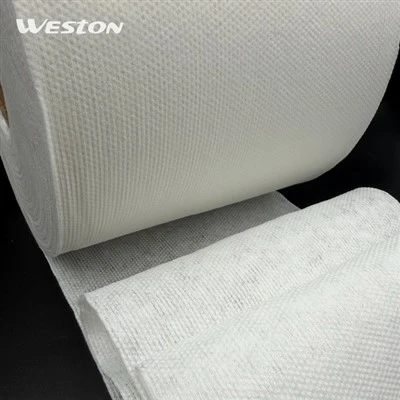
Spunlace technology uses high-pressure water jets to entangle fibers without chemical bonding. This creates a fabric that feels softer and more cloth-like compared to many traditional wipe materials.
For baby wipe production, spunlace nonwoven offers several practical advantages:
- Better softness for sensitive skin
- Higher absorbency
- Improved wet durability
- Lower lint generation
- Flexible embossing customization
Companies such as Weston Nonwoven focus on spunlace nonwoven materials designed for hygiene and wipe applications. For buyers developing private label Baby Wipes, stable fabric quality often matters more than excessive marketing claims.
Simple Habits Make Baby Wipes Safer and More Effective
Using baby wipes correctly is less about luxury and more about understanding skin health, moisture control, and material quality.
Small habits matter:
- Wipe gently instead of scrubbing
- Use enough wipes without overusing them
- Allow skin to dry before diapering
- Store wipes properly to prevent drying out
- Choose reliable nonwoven materials
For manufacturers and sourcing teams, the same principle applies. A well-designed wipe should clean effectively while staying soft, stable, and consistent from the first sheet to the last.