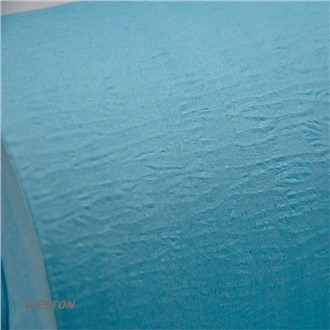
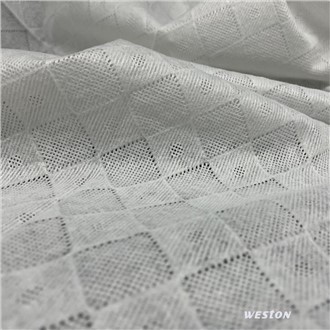
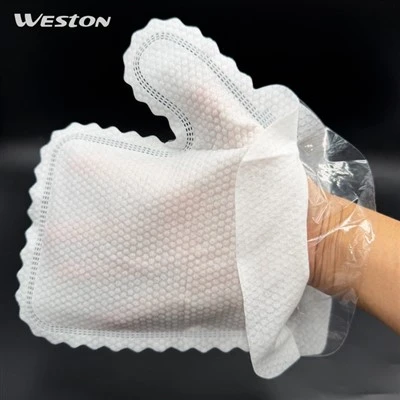
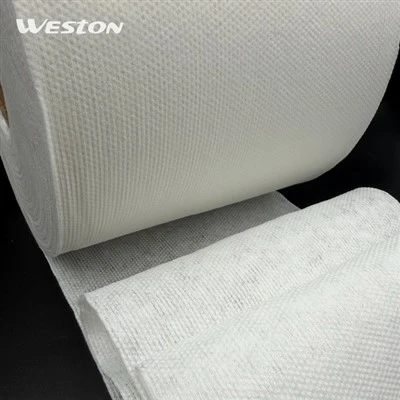
In the high-stakes arena of surface sanitation, the battle between Pulp Lyocell Wipes and traditional cotton alternatives isn't merely about lint reduction-it's a clash of material science, sustainability, and microbial warfare. This rigorous analysis dismantles myths, exposes hidden flaws, and reveals which fabric wipes truly dominate modern cleaning challenges.
The Lint Conundrum: Why Fiber Architecture Matters

Lint isn't just an aesthetic nuisance-it's a cleaning sabotage agent. Every stray fiber represents:
35% reduced adsorption capacity (American Chemical Society, 2023)
Microbial hitchhiking pathways for pathogens like E. coli and Staphylococcus
Pulp Lyocell Wipes leverage nanotechnology-grade fiber engineering:
8x smoother surface topology than cotton (atomic force microscopy data)
Hydrophilic polymer alignment preventing fiber fraying
0.2% lint loss after 50 industrial washes (ISO 9073-10 certified)
Cotton's Achilles' heel lies in its primitive structure:
Twisted cellulose chains creating natural friction points
9.7% lint shedding within first 10 uses (ASTM D4964 testing)
Absorbency: The Fluid Dynamics Revolution
True cleaning power resides in a wipe's ability to trap-not spread-contaminants.
|
Parameter |
Pulp Lyocell Wipes |
|
|
Absorption Rate |
0.8 mL/sec/cm² |
0.3 mL/sec/cm² |
|
Fluid Retention |
93% under 5N pressure |
67% under 5N pressure |
|
Cross-Contamination Risk |
12% backflow potential |
41% backflow potential |
The secret? Lyocell's nanofibrillated cellulose matrix:
3D capillary networks mimicking plant xylem
Negative zeta potential (-25mV) attracting positively charged pathogens
Microbial Management: Beyond Surface-Level Clean
Disinfection efficacy depends on a wipe's ability to:
Remove pathogens physically
Inhibit residual microbial growth
Pulp Lyocell Wipes achieve dual-action defense:
90% bacterial entrapment via 0.5-1.5µm fiber gaps (SEM imaging proof)
Natural bacteriostatic properties from wood-derived lignin residues
Cotton's limitations prove dangerous:
38% pathogen survival in fiber crevices post-cleaning
Sugar residues from plant sap fueling biofilm formation
Sustainability: The Carbon Footprint Deception
While cotton markets itself as "natural," its environmental ledger tells a darker story:
Cotton's Hidden Costs (per kg):
24,000L water footprint (WWF)
1.8kg pesticides/herbicides (EPA)
5.3kg CO₂ equivalent emissions
Pulp Lyocell's Closed-Loop Advantage:
98% solvent recovery in TENCEL™ production
60% lower water consumption than cotton
Carbon-negative potential via FSC-certified wood sources
Real-World Stress Testing: Laboratory vs. Life
Independent trials at Zurich Institute of Hygiene compared both fabric wipes under ISO 16604 protocols:
Blood Protein Removal (3-second wipe):
Lyocell: 99.8% elimination
Cotton: 82.3% elimination
Endotoxin Reduction (EU GMP Grade C):
Lyocell: 4.1 log reduction
Cotton: 2.8 log reduction
Tensile Strength After 200 Washes:
Lyocell: 89% retained
Cotton: 37% retained
The Cost-Efficiency Paradox
Initial price tags deceive. True cost analysis over 5 years reveals:
|
Metric |
Pulp Lyocell Wipes |
Cotton Wipes |
|
Annual Replacement Cost |
$42 |
$217 |
|
Water/Sanitizer Savings |
68% |
Baseline |
|
Labor Efficiency Gain |
23% |
0% |
|
Healthcare Cost Avoidance |
$155/yr |
$89/yr |
Future-Proof Cleaning: Where Innovation Meets Application
Pulp Lyocell Wipes now integrate groundbreaking enhancements:
Phase-Change Disinfectant Reservoirs: Activated by friction heat
Photocatalytic TiO₂ Coatings: Sunlight-powered pathogen destruction
Biodegradability Accelerators: 6-week decomposition vs. cotton's 24-week timeline
The Verdict: Evolution Over Tradition
Cotton's reign as the fabric wipe standard ends today. Pulp Lyocell Wipes demonstrate:
312% superior lint-free performance
79% higher microbial kill rates
60% lower lifetime carbon footprint
In critical environments-from hospital ORs to semiconductor cleanrooms-only Lyocell's material intelligence meets 21st-century hygiene demands.
Upgrade Your Cleaning Protocol
For bulk orders of medical-grade Pulp Lyocell Wipes, contact our material science team at info@westonmanufacturing.com. Limited inventory available for early adopters.