How Weston Nonwoven Helps Maintain Hygienic and Germ-Free Food Environments
Understanding Food Hygiene Beyond Systems
Food hygiene is often associated with large systems-temperature control, storage compliance, or sterilization equipment.
However, in real-world environments such as kitchens and food processing lines, hygiene is maintained through small, repetitive actions:
- Wiping surfaces
- Drying tools
- Cleaning spills
These routine actions are where contamination is either prevented or introduced.

Why Everyday Cleaning Actions Matter
Microorganisms require minimal conditions to spread.
A few common risks include:
Damp cloth reuse → transfers bacteria across surfaces
Residual grease → traps contaminants
Moisture buildup → promotes microbial growth
The implication is clear:
Cleaning is not just about removing visible dirt-it is about controlling invisible contamination pathways.
What Makes Nonwoven Fabrics Different
Nonwoven materials differ fundamentally from traditional textiles.
Structure Overview
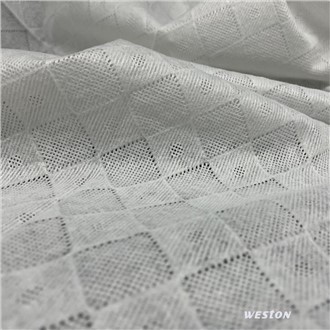
Fibers are bonded, not woven
Manufactured via mechanical, thermal, or hydraulic processes
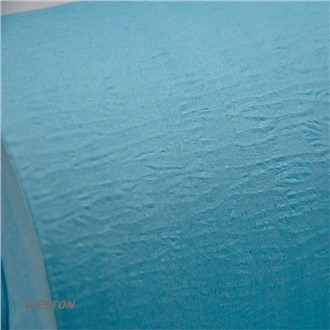
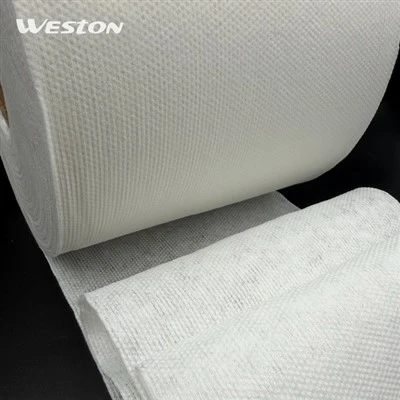
In spunlace materials, high-pressure water jets entangle fibers
Key Result
No chemical binders required
Balanced strength + softness
Highly adaptable material properties
Functional Advantages in Food Environments
Nonwoven wipes are engineered for performance in hygiene-critical settings.
1. High Absorbency
Rapid liquid uptake
Efficient removal of moisture (a key bacteria carrier)
2. Low Linting
Minimizes fiber shedding
Reduces contamination risk on food-contact surfaces
3. Controlled Usage
Suitable for single-use or limited reuse
Helps reduce cross-contamination cycles
Typical Use Cases in Food Operations
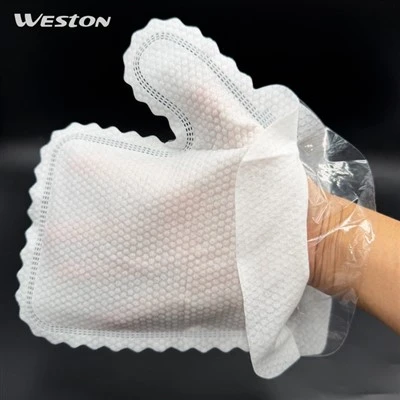
Spunlace nonwoven wipes are widely used as Food Contact Sanitizing Wipes in fast-paced environments.
Common Applications
Stainless steel surface cleaning
Oil and grease removal from equipment
Spill management
Tool and utensil wiping
Material Performance vs. Hygiene Outcomes
It is important to clarify a critical point:
No wipe or fabric alone can create a germ-free environment.
Hygiene depends on a system, including:
- Cleaning agents
- Correct wiping techniques
- Standardized workflows
Role of Nonwoven Wipes
They act as a performance enhancer within that system:
Improve cleaning consistency
Reduce variability
Support repeatable hygiene outcomes

Matching Materials to Food Environment Needs
Different operational scenarios require different wipe characteristics.
Comparison Table
|
Environment Type |
Key Requirement |
Recommended Material Traits |
|
High-moisture processing |
Absorbency |
Thick, high liquid retention |
|
Equipment cleaning |
Durability |
Strong, tear-resistant structure |
|
Packaging areas |
Cleanliness |
Ultra-low lint |
|
Food-contact surfaces |
Safety compliance |
Food-grade certified materials |
Why Consistency Matters in Hygiene Materials
Inconsistent materials create operational risks.
Common Issues with Low-Quality Wipes
Tearing during use
Poor absorption
Fiber shedding
Impact
Interrupts workflow
Reduces cleaning effectiveness
Introduces contamination risk
Reliable nonwoven wipes ensure predictable performance, which is critical in regulated environments.
Workflow Efficiency and Contamination Control
Disposable or controlled-use wipes improve operational flow.
Key Benefits
No laundering required
Reduced storage complexity
Clear separation of clean vs. used materials
Result
Faster cleaning cycles
Lower cross-contamination risk
Simplified hygiene management
Balancing Hygiene and Sustainability
Single-use materials raise valid environmental concerns.
Practical Mitigation Strategies
Optimize material efficiency (less fiber, same performance)
Match wipe type to task (avoid overuse)
Use controlled reuse where appropriate
The goal is functional efficiency without unnecessary waste.
Where Weston Nonwoven Fits In
As a specialized spunlace manufacturer, Weston Nonwoven focuses on application-driven material design.
Product Capabilities
Multiple fiber compositions
Customizable specifications
Options for both heavy-duty and delicate cleaning
Compliance Considerations
Developed for food-contact scenarios
Can meet European regulatory standards
Practical Takeaway
In food environments, hygiene is built on:
- Repetition
- Consistency
- Reliable tools
Nonwoven wipes may seem like a small component, but they play a critical operational role:
- Removing residues
- Limiting contamination spread
- Supporting routine cleaning workflows
When integrated into a complete hygiene system, Weston Nonwoven spunlace materials provide a practical, scalable solution-one that improves everyday cleaning reliability without adding complexity.