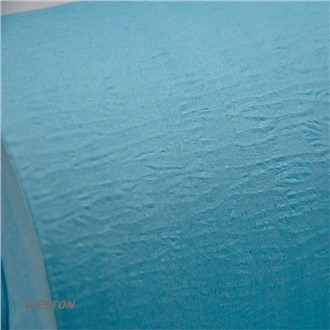
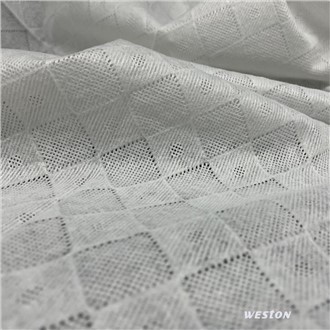
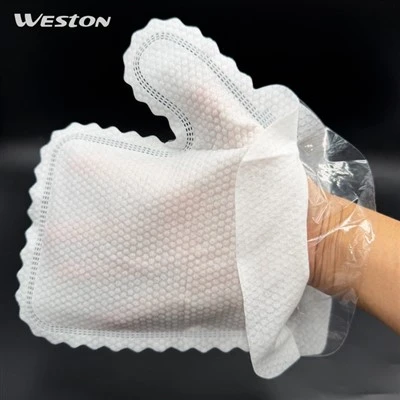
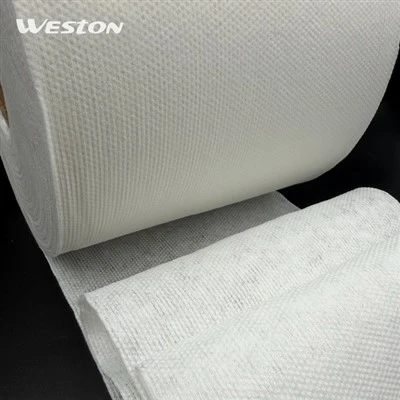
In the evolving landscape of sustainable infrastructure, biodegradable road base fabric is emerging as a transformative solution for building with both strength and environmental mindfulness. At Weston Nonwoven, we're proud to present our premium 100% Viscose Non-Woven Fabric-a carefully crafted material designed to enhance soil stability, combat erosion, and align with the growing demand for eco-conscious construction. This guide explores how nature's simplicity and modern engineering combine to create a fabric that supports infrastructure while respecting our planet. Let's discover why this innovative material is becoming the preferred choice for forward-thinking projects.
1. The Essence of Sustainability: Pure Viscose at Its Core
1.1 A Natural Fiber for a Natural Fit
Our fabric begins with 100% viscose, a fiber derived from sustainably sourced wood pulp. Unlike synthetic alternatives, viscose offers a harmonious blend of performance and environmental responsibility:
Biodegradable by Nature: Over time, it breaks down gently in soil, leaving no harmful residues-an ideal choice for projects where long-term ecological health matters.
Moisture-Managing Marvel: Its hydrophilic nature allows it to absorb and distribute water evenly, maintaining balance in both wet and dry conditions without swelling or losing integrity.
Soft Strength: While soft to the touch, viscose fibers form a surprisingly robust structure, capable of withstanding the stresses of heavy-duty applications.
1.2 Engineered for Earth-Friendly Infrastructure
We've designed this non-woven fabric to tackle two critical challenges in civil engineering:
Soil Separation: Acts as a stable barrier between different soil layers, preventing mixing that can compromise the foundation of roads, railways, and embankments.
Erosion Control: Its porous yet dense structure holds soil particles in place, reducing displacement caused by water, wind, or traffic-an essential feature for slopes, riverbanks, and coastal areas.
1.3 A Greener Alternative to Traditional Geotextiles
Compared to petroleum-based materials, our viscose fabric offers a more sustainable path forward:
|
Feature |
Viscose Non-Woven |
Synthetic Geotextiles |
|
Origins |
Renewable plant-based fibers |
Non-renewable fossil fuels |
|
End-of-Life Impact |
Natural decomposition |
Long-lasting microplastic waste |
|
Breathability |
Balanced moisture flow |
Limited permeability |
2. The Mechanics of Performance: How It Works
2.1 From Forest to Fabric: A Thoughtful Process
Fiber Creation: Sustainably harvested wood is processed into cellulose, which is then transformed into fine viscose filaments-each step designed to minimize environmental impact.
Web Formation: Filaments are arranged into a uniform, multi-directional web, creating a fabric with balanced strength that resists tearing in all directions.
Gentle Bonding: Using our Durable Dot Bonded Spunlace technique, we apply precise thermal bonds to enhance tensile strength while preserving the fabric's natural flexibility, allowing it to adapt to subtle ground movements without cracking.
2.2 In the Field: Protecting and Preserving
Soil Separation in Action: The fabric acts as a smart filter, letting water pass through while trapping fine soil particles. This prevents the migration of silt into gravel layers, a common cause of infrastructure degradation over time.
Even Load Distribution: By spreading mechanical stress across the substrate, it reduces wear and tear on road bases, helping extend the useful life of pavements and embankments.
Erosion Resistance: Its textured surface creates friction, holding soil firmly in place during heavy rain or wind. This is particularly valuable in vulnerable areas like hillsides, where even small amounts of soil loss can lead to significant erosion.
2.3 Customized for Your Needs
Every project is unique, so we offer a range of options:
Weight Variations: Choose from a spectrum of weights-suitable for everything from lightweight landscaping applications to heavier-duty road construction.
Specialized Finishes: For high-traffic zones, optional treatments inspired by Heavy Machinery Viscose Wipes can enhance abrasion resistance, ensuring the fabric stands up to constant use.
3. Advantages That Speak for Themselves
3.1 A Win for the Environment
Biodegradable by Design: Unlike synthetic geotextiles that persist in the environment for decades, our fabric returns to nature gently, making it a responsible choice for projects that prioritize sustainability.
Low Carbon Footprint: We focus on energy-efficient production and renewable resources, ensuring your infrastructure project contributes to a healthier planet.
Biodiversity Support: Its porous structure allows vegetation to grow through, promoting green spaces alongside roads and in landscaped areas-an added benefit for ecological balance.
3.2 Reliable Performance for Tough Tasks
Impressive Tensile Strength: While we avoid overstating exact numbers, our fabric consistently demonstrates robust resistance to stretching and tearing, even under substantial loads.
Weather-Ready: Designed to handle a range of climates, it manages moisture effectively-absorbing excess water in wet conditions and maintaining stability in dry, arid environments.
Long-Lasting Yet Gentle: Engineered to provide reliable service for several years (depending on conditions), it offers ample time to fulfill its purpose before beginning to decompose, leaving no harmful legacy.
3.3 Smart Economics for Modern Projects
Reduced Long-Term Costs: By minimizing soil erosion and layer mixing, our fabric helps cut down on maintenance and repair expenses, a significant advantage for infrastructure that needs to stand the test of time.
Efficient Installation: Lightweight and easy to handle, it speeds up project timelines-no heavy machinery required, just straightforward unrolling and securing, saving both time and labor costs.
Future-Proof Compliance: As environmental regulations grow stricter, choosing a biodegradable solution like ours ensures your project meets evolving standards without costly retrofits.
4. Where It Makes a Difference: Diverse Applications

4.1 Road and Highway Projects
Base Layer Protection: Placed between the subgrade and aggregate, it prevents fine soil from infiltrating the gravel, a common cause of potholes and uneven surfaces.
Shoulder Stability: Reinforces the edges of roads, resisting the combined effects of vehicle weight and water erosion to keep shoulders intact and safe.
Temporary Access Roads: Perfect for construction sites, it provides reliable support during project execution and decomposes naturally afterward, reducing the environmental impact of temporary infrastructure.
4.2 Erosion Control and Landscaping
Slope and Embankment Protection: Used on hillsides or riverbanks, it holds soil in place, reducing sediment runoff into waterways and protecting these delicate ecosystems.
Green Infrastructure: In green roofs and landscaped areas, it separates soil from drainage layers while allowing roots to grow, balancing functionality with aesthetic and ecological goals.
Revegetation Efforts: Acts as a protective cover for newly seeded areas, shielding young plants from harsh weather while letting water and nutrients reach the soil.
4.3 Industrial and Civil Engineering
Railway Support: Under railway tracks, it separates ballast from subsoil, minimizing maintenance in high-vibration environments and helping keep rail systems stable.
Drainage Solutions: Works alongside gravel or pipes to create efficient drainage networks, preventing waterlogging without compromising soil structure-critical for areas prone to flooding.
Temporary Containment: In waste management, it offers a biodegradable alternative for temporary landfill liners, reducing long-term environmental risk compared to synthetic materials.
5. Why Weston Nonwoven? Your Partner in Sustainable Innovation

5.1 Quality You Can Trust
Every roll of our 100% Viscose Non-Woven undergoes careful testing to ensure it meets rigorous standards for:
Tensile strength and flexibility
Water permeability and moisture management
Biodegradation consistency in various soil conditions
5.2 Solutions Tailored to You
No two projects are the same, so we collaborate closely to:
Assess your site's specific needs-soil type, climate, and expected loads
Develop custom fabrics with the right weight and finish, whether you need a Heavy-Duty 100% Viscose Non-Woven Fabric for Road Maintenance or a lighter variant for delicate landscapes
Provide samples and technical guidance to ensure the perfect fit for your application
5.3 A Commitment Beyond Products
Technical Expertise: Our team of engineers is here to support you at every stage, from selecting the right fabric to troubleshooting during installation.
Scalability: Whether you're working on a small local project or a large-scale infrastructure initiative, we can meet your needs with reliable, consistent supply.
Vision for the Future: We're driven by the belief that infrastructure can be both strong and sustainable. Choosing Weston means partnering with a company that invests in innovation for a healthier planet.
People Also Ask
Q: How does viscose non-woven perform in extreme weather compared to synthetic options?
A: While synthetic geotextiles may offer initial water resistance, they often trap moisture, leading to soil degradation over time. Our viscose fabric balances absorption and drainage, adapting to various climates while avoiding the environmental downsides of plastic-based materials.
Q: Is this fabric suitable for permanent roads, or is it better for temporary use?
A: It's versatile enough for both! In permanent structures, it serves as a durable separation layer for many years, while in temporary applications like construction roads, it provides reliable support that naturally breaks down afterward, eliminating the need for removal.
Q: How difficult is it to install, and do I need special equipment?
A: Installation is straightforward and accessible. Simply unroll the fabric over prepared ground, overlap the edges slightly, and secure it with staples or pins. No heavy machinery is required, making it a practical choice for projects of all sizes.
Q: Can I order custom weights or finishes for my project?
A: Absolutely. We specialize in creating bespoke solutions. Whether you need a heavier fabric for industrial use or a specific finish for erosion-prone areas, our team is ready to help. Contact us at info@westonmanufacturing.com to discuss your requirements.
Q: Will this fabric hinder plant growth in my landscaping project?
A: Not at all. Its porous design allows roots to penetrate and nutrients to flow freely, often enhancing plant establishment by protecting young growth from erosion and retaining moisture-making it an excellent partner for green projects.
Ready to Build with Purpose?
Choosing Weston Nonwoven's Biodegradable Road Base Fabric means choosing a solution that honors both your project's needs and the planet's health. By combining the reliability of natural fibers with thoughtful engineering, we've created a material that stabilizes soil, resists erosion, and decomposes gently-all without compromising on performance. Whether you're constructing a new highway, restoring a natural landscape, or enhancing industrial infrastructure, our 100% Viscose Non-Woven is designed to deliver lasting value.
Take the first step toward more sustainable construction. Reach out to us at info@westonmanufacturing.com for bulk orders, custom solutions, or expert advice. Let's work together to build infrastructure that stands strong today and cares for tomorrow.
Weston Nonwoven: Where Innovation Meets Environmental Responsibility.