Assessing the Woven vs. Non-Woven Debate
In the world of gardening and landscaping, choosing the right fabric for weed control is crucial. The debate between woven and non-woven materials has been ongoing, with both options presenting unique advantages and drawbacks. For professional buyers, understanding these differences can guide effective decision-making to enhance garden health and productivity.

Characteristics of Woven Fabrics
1. Durability and Strength
Woven fabrics are constructed from interlaced threads, providing exceptional strength and durability. This robust structure makes them resistant to tearing and puncturing, an essential consideration for high-traffic areas or environments prone to harsh weather conditions.
2. Water Permeability
One of the standout features of woven fabrics is their ability to allow water to flow through easily. This permeability ensures that water reaches the soil without pooling, reducing the risk of root rot in plants. However, it's important to note that this openness can also permit weed seeds to penetrate, leading to potential growth.
3. Initial Cost-Effectiveness
Woven materials generally have a lower initial cost compared to non-woven options. For large-scale projects, this can make woven fabrics an attractive choice from a budgetary perspective. However, the longevity and effectiveness of the fabric should also be considered to assess overall value.
Characteristics of Non-Woven Fabrics
1. Enhanced Weed Suppression
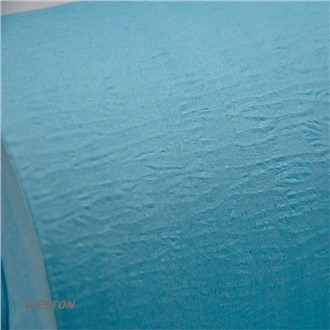
PP Nonwoven Weed Barrier Fabric excels in preventing weed growth due to its dense, non-woven design. Unlike woven fabrics, non-woven options create a barrier that effectively blocks sunlight and inhibits weed development. This makes them particularly suitable for areas where weed control is a top priority.
2. Superior Moisture Retention
Non-woven fabrics are designed to retain moisture better than their woven counterparts. This characteristic is particularly beneficial for maintaining consistent soil moisture levels, especially during dry spells. By preventing excessive evaporation, non-woven fabrics support healthier plant growth.
3. Lightweight and Easy to Handle
Non-woven fabrics are generally lighter than woven options, making them easier to install and manage. This aspect can be especially advantageous for professional buyers looking to streamline their workflow in large projects. The ease of handling non-woven materials can lead to increased efficiency on the job.
Comparative Analysis: Woven vs. Non-Woven
1. Cost vs. Longevity
While woven fabrics may offer a lower initial cost, their durability can vary. Non-woven fabrics, though typically higher in price, can provide longer-lasting effectiveness in weed suppression and moisture retention. For professional buyers, evaluating the long-term benefits against initial costs is essential for making a wise investment.
2. Performance in Different Conditions
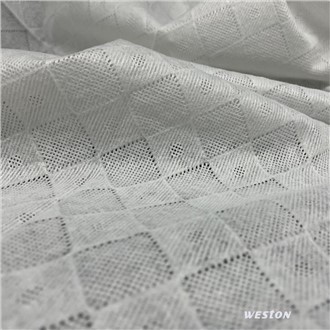
Woven fabrics may perform well in certain conditions, particularly where water flow is critical. However, in areas with high weed pressure, non-woven fabrics like Insect Barrier Spunlace Fabric can outperform due to their superior weed-blocking capabilities. Understanding the specific environmental needs of your project will help determine which option is best.
3. Versatility of Applications
Both woven and non-woven fabrics offer versatility, but their applications may differ. Non-woven materials, such as Spunlace Nonwoven Plant Frost Protection Cover, are often used not only for weed control but also for frost protection and pest management. This multifunctionality can make non-woven options more appealing for comprehensive gardening solutions.
Real-World Applications
1. Agricultural Uses
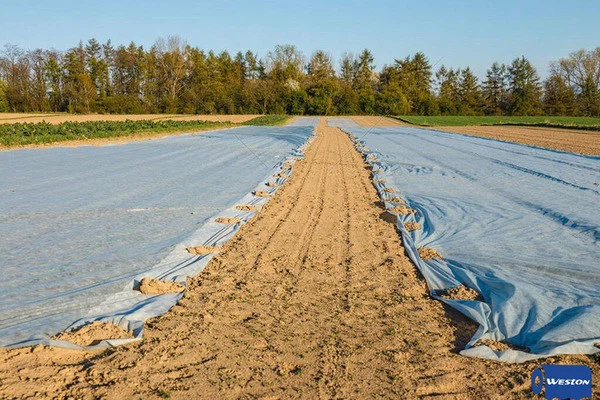
In agricultural settings, Agricultural Non-Woven Fabric For Seedling Cover can provide crucial protection for young plants while suppressing weeds. The breathable nature of non-woven fabrics allows for healthy growth without the risk of overheating or excessive moisture loss.
2. Landscape Design
For landscape designers and maintenance professionals, choosing the right fabric is essential for aesthetic and functional outcomes. Non-woven options can provide a clean, polished look while effectively managing weed growth beneath decorative surfaces.
3. Home Gardening
Home gardeners may benefit from the ease of use and effectiveness of non-woven fabrics. Products like PP Nonwoven Weed Barrier Fabric allow for simple installation and ongoing maintenance, making gardening more enjoyable and productive.
Making the Right Choice
For professional buyers, the decision between woven and non-woven fabrics ultimately hinges on specific project needs. Understanding the unique benefits and limitations of each type can guide you toward the most effective solution for weed management.
At Weston, we pride ourselves on offering high-quality products tailored to meet diverse gardening challenges. Our PP Nonwoven Weed Barrier Fabric, along with Insect Barrier Spunlace Fabric and Spunlace Nonwoven Plant Frost Protection Cover, are designed to deliver exceptional performance while prioritizing sustainability.
By carefully considering the characteristics of woven and non-woven fabrics, you can make informed choices that enhance the health and productivity of your gardens. For further information or to explore our product range, feel free to reach out to us at info@westonmanufacturing.com.