Is It Safe to Eat After Using Disinfectant Wipes?
After a family dinner, you reach for a disinfectant wipe to quickly clean the dining table, then place a bowl of fruit directly on the surface-this common scenario raises a critical question: Is it safe to eat immediately after wiping food-contact surfaces with disinfectant wipes? The answer depends not just on the wipes you choose, but also on how you use them, and even the quality of the nonwoven fabric that makes up the wipe itself. To unpack this safely, we need to look at the science behind disinfectant ingredients, the risks of residue, and how to minimize harm.
The Science Behind Disinfectant Wipe Ingredients
Disinfectant wipes rely on three main types of active ingredients, each with unique properties that affect post-wipe safety.
Quaternary Ammonium Compounds: These (like benzalkonium chloride) are widely used for their broad-spectrum antibacterial effects and low volatility-meaning they don't evaporate quickly. While their long-lasting presence boosts disinfection, it also increases the chance of residue lingering on surfaces.
Alcohol: Typically 70%-80% isopropyl alcohol evaporates within seconds, solving the volatility issue. However, its rapid drying can leave behind tiny fibers from the wipe itself, especially if the fabric is low-quality.
Hydrogen Peroxide: This eco-friendly option breaks down into water and oxygen and is gentle but requires higher concentrations to work effectively, which can irritate sensitive surfaces like wooden tabletops or leave streaks that trap food particles.
Most ingredients are safe when used as intended, but their strengths become risks when misapplied. For example, non-volatile quaternary ammonium compounds won't disappear on their own-if you wipe a plate and immediately use it, even a tiny amount of residue can transfer to food. Alcohol's volatility doesn't eliminate risk either: if the wipe's fabric sheds fibers, those fibers can stick to wet food (like yogurt or soup) and be ingested.

The Hidden Risks of Residue
Residue from disinfectant wipes forms in three key ways, each posing distinct threats:
Non-Volatile Ingredients: These cling to porous surfaces (like plastic tableware or wooden cutting boards) because these materials have tiny gaps that trap chemicals. A 2023 study on household surface safety found that quaternary ammonium residues can remain on plastic plates for up to 30 minutes after wiping, even if the surface looks dry.
Low-Quality Nonwoven Fabrics: These can shed fibers easily-when you wipe with force, these microfibers stick to surfaces and mix with food, especially if the food is hot or sticky.
Incomplete Wiping: Missing spots or wiping too quickly leaves pools of disinfectant solution, which can soak into paper towels or napkins and transfer to hands or food.
The health impacts of this residue vary by age and exposure. For healthy adults, short-term ingestion might cause a mild astringent taste or temporary stomach discomfort-these symptoms fade quickly because the body metabolizes small amounts of most disinfectant ingredients. But for vulnerable groups like infants (who put toys or hands in their mouths), the elderly (with weaker digestive systems), or pregnant individuals (with heightened sensitivity to chemicals), long-term trace ingestion can build up. For example, repeated exposure to quaternary ammonium residues has been linked to mild gut irritation in children under 5, according to pediatric health research.
High-risk scenarios often fly under the radar: wiping metal utensils (which hold onto residues longer than glass) without rinsing, using regular wipes (not designed for food surfaces) on highchairs, or eating immediately after wiping a surface-skipping the time needed for even volatile ingredients to fully evaporate.
Science-Backed Guidelines for Safe Use
To balance hygiene and safety, follow three evidence-based steps:
Choose the Right Wipes: Prioritizing Food Grade Disinfectant Wipes is non-negotiable-these products are formulated to minimize chemical migration onto surfaces that touch food, using materials that meet strict safety criteria for food-contact applications. Avoid wipes with unknown ingredient lists or strong fragrances; fragrances often contain additional chemicals that increase irritation risk, especially for those with allergies.
Use Wipes Correctly: After wiping food-contact surfaces, wait 1-2 minutes before placing food down-this gives volatile ingredients like alcohol time to evaporate and non-volatile ones to settle (reducing transfer). For tableware or children's sippy cups, rinse with cool water after wiping if possible; water washes away any remaining residue without reacting with disinfectant chemicals. Use light pressure when wiping-too much force breaks down nonwoven fabrics, increasing fiber shedding.
Inspect Surfaces Before Eating: Run a dry paper towel over the surface; if it picks up wetness or fibers, the surface isn't ready. For dark-colored surfaces (like black plastic plates), look for faint streaks-these indicate leftover disinfectant solution.
Why Nonwoven Fabric Quality Matters
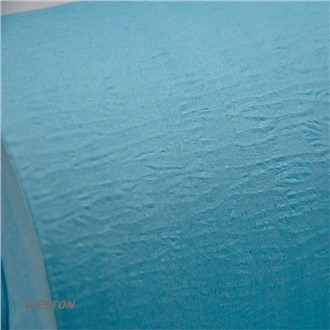
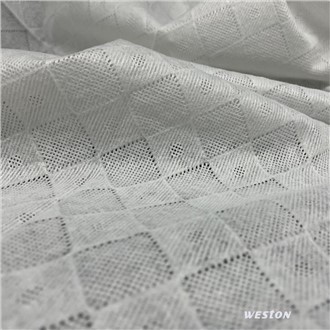
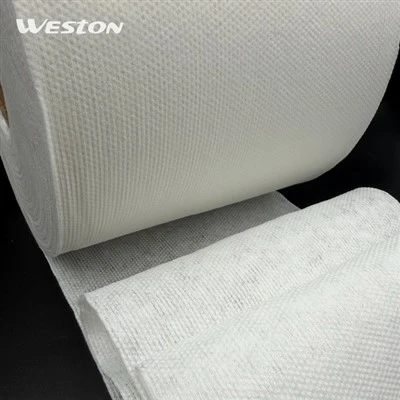
The nonwoven fabric in a disinfectant wipe is more than just a carrier for chemicals-it's a critical safety barrier. Poor-quality fabrics shed fibers, trap residue, or leach tiny particles into disinfectant solutions, all of which end up on food. High-quality spunlace nonwovens, however, address these issues: they have tight fiber bonds that reduce shedding, uniform pore sizes that release disinfectant evenly (avoiding pools of solution), and are made with materials that don't react with active ingredients.
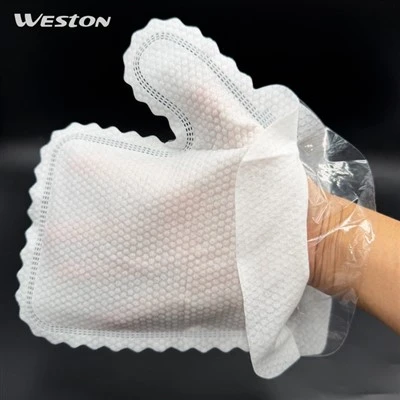
Weston Nonwoven, a leader in producing high-performance spunlace nonwoven fabrics, designs materials specifically tailored for both Food Grade Disinfectant Wipes and Multi-Surface Bulk Disinfectant Wipes. For Food Grade Disinfectant Wipes, Weston uses food-contact-grade polypropylene and polyester fibers-these materials don't leach chemicals, even when soaked in disinfectant solutions. For Multi-Surface Bulk Disinfectant Wipes (used in restaurants or offices to clean tables, chairs, and counters), Weston's custom spunlace fabrics have enhanced liquid retention-they hold disinfectant without dripping, ensuring uniform coverage while reducing residue. The low fiber shedding of Weston's products also means fewer microfibers end up on surfaces, cutting down on ingestion risk.
By focusing on both disinfectant composition and nonwoven quality, Weston Nonwoven helps create wipes that work hard without compromising safety. For consumers, this means choosing wipes made with Weston's fabrics adds an extra layer of protection-whether you're wiping a child's highchair (with Food Grade Disinfectant Wipes) or a restaurant's dining tables (with Multi-Surface Bulk Disinfectant Wipes).
The key to safe eating after using disinfectant wipes lies in understanding the science: know what's in your wipes, how residue forms, and how to use them to minimize risk. Wipes are a powerful tool for keeping homes and public spaces clean, but their safety depends on the choices we make-from picking Food Grade Disinfectant Wipes to waiting a minute before eating, and even considering the nonwoven fabric that makes up the wipe. With products like Weston Nonwoven's custom spunlace fabrics supporting safer disinfectant wipes, we can keep surfaces clean and meals safe-without compromising on either.