The Rhythm of Real Safety
Your cutting board isn't just a surface – it's a living landscape where food safety is measured in minutes, not meals. Every onion diced or chicken breast trimmed leaves invisible footprints. While how you clean matters, when you clean determines whether your kitchen nurtures or endangers.

Beyond "When It Looks Dirty"
Common cleaning myths put kitchens at risk:
❌ "I rinse after raw meat" → Juices seep into grooves within 30 seconds
❌ "Weekly deep cleaning suffices" → Bacteria colonies form between cutting tasks
❌ "A quick wipe is enough" → Smearing spreads pathogens wider
True protection starts by recognizing contamination triggers – not just visible stains.
Your Scenario-Based Cleaning Clock
After Animal Proteins (Raw or Cooked)
Frequency: Immediately after contact
Raw meat residue creates urgent risk. Within 5 minutes:
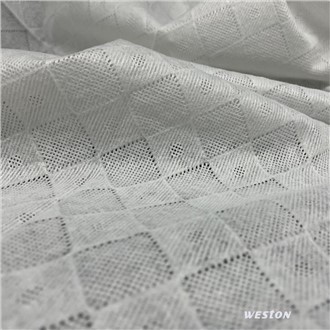
Blot juices with Bamboo Kitchen Cloths For Food Residue Cleanup (their dense fibers trap liquids without smearing)
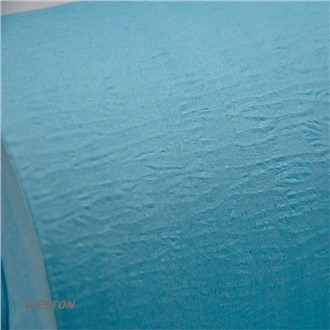
Scrub with hot soapy water using Kitchen Cleaning Cloth Wood Pulp PP (wood pulp's gentle abrasion lifts residue from knife scars)
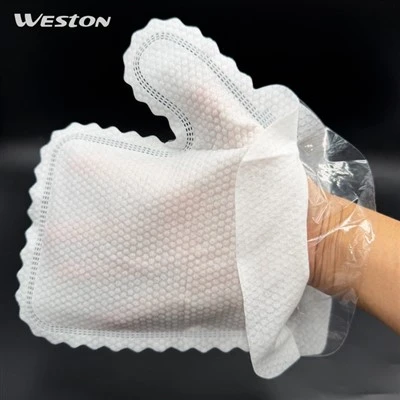
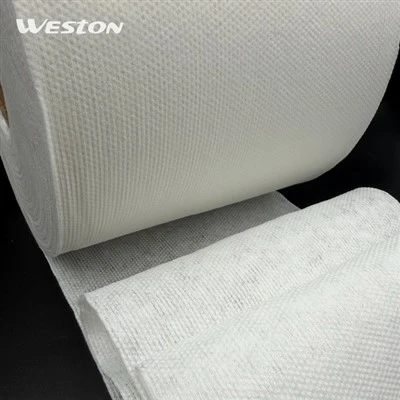
Disinfect with a sanitizer-soaked Spunlace Microfiber Wipe For Cutting Boards
When Switching Produce Types
Frequency: Between ingredient categories
Moving from poultry to herbs? Alliums (onions/garlic) can dissolve salmonella into board grooves.
Execute a 60-second reset:
Wipe surface with damp Spunlace Microfiber Wipe
Rinse under warm water
⏳ During Extended Cooking Sessions
Frequency: Every 20-30 minutes
Batch cooking or holiday prep? Microbes multiply in downtime.
Debris sweep: Every 20 minutes, dry-wipe particles with Bamboo Cloth
Full sanitizing break: Every hour, complete Step 1-3 of protein protocol
End-of-Day Non-Negotiable
Frequency: After final use, before storage
Even boards used only for bread need nightly care:
Dry wipe with bamboo cloth
Hot soapy scrub with Wood Pulp PP Cloth
Air-dry vertically overnight
Why Material Choice Dictates Frequency
Flimsy cloths make frequent cleaning impractical. Weston's engineered fabrics remove barriers:
|
Problem |
Weston's Solution |
|
Frequent washing wears cloths |
Spunlace Wipes withstand daily bleach without degrading |
|
Slow drying encourages germs |
Bamboo Cloths absorb moisture 50% faster than cotton |
|
Ineffective debris removal |
Wood Pulp PP Cloths lift particles in one scrub |
This durability enables proactive cleaning – not crisis response.

Sustainable Frequency Without Waste
Daily cleaning shouldn't mean daily disposables. Weston's reusables align safety with ecology:
One Spunlace Microfiber Wipe replaces hundreds of paper towels
Bamboo Kitchen Cloths decompose naturally after hundreds of uses
Wood Pulp PP Cloths last 6x longer than conventional rags
The Professional's Edge
Commercial kitchens using this rhythm report fewer cross-contamination incidents:
Bamboo Cloths enable quick between-task wipes
Wood Pulp PP Cloths handle heavy scrubbing 5+ times daily
Spunlace Wipes deliver reliable disinfection during rush hours
Building Your Intelligent Cleaning Habit
Map contamination moments in your workflow
Place Weston's tools strategically:
Bamboo Kitchen Cloths at prep stations
Wood Pulp PP Cloths near sinks
Spunlace Wipes with sanitizer bottles
Train teams on the "why":
"We wipe after proteins because pathogens spread faster than stains"
"Bamboo cloths capture debris before it becomes a hazard"
The Unseen Discipline
Cleaning frequency isn't about rules – it's about understanding that a cutting board's safety expires between uses. With Weston Nonwoven's purpose-built tools, you transform routine into protection:
Bamboo Kitchen Cloths For Food Residue Cleanup make quick wipes effortless
Kitchen Cleaning Cloth Wood Pulp PP stands up to repeated scrubbing
Spunlace Microfiber Wipes For Cutting Boards deliver chemical-resistant disinfection
Discover how the right tools make frequent cleaning sustainable. Request samples at info@westonmanufacturing.com and experience a new rhythm of kitchen safety.