Project Report in China
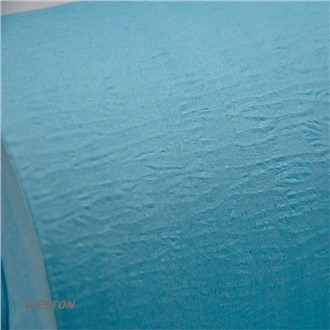
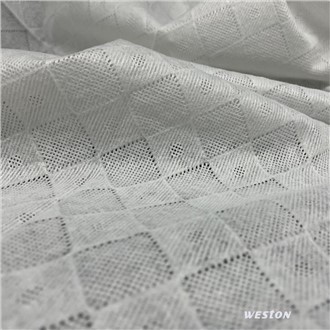
The global demand for spunlace nonwoven fabrics is on the rise, particularly in sectors such as healthcare, personal care, and industrial applications. This project report focuses on the strategic expansion of spunlace nonwoven fabric production in China, detailing specific objectives, implementation plans, and potential challenges.
Market Overview
Growing Demand
The spunlace nonwoven fabric market is projected to grow significantly, with an estimated CAGR of 6% to 8% from 2021 to 2024. Key drivers include:
Healthcare Sector: Increased demand for surgical drapes, gowns, and disinfecting wipes.
Personal Care Products: Rising consumption of wet wipes and feminine hygiene products.
Industrial Applications: Enhanced use in cleaning and maintenance wipes across various industries.
China's Competitive Advantage
China stands out as a favorable location for expanding spunlace nonwoven fabric production due to:
Cost-Effective Labor: Labor costs in China are approximately 30% lower than in Western countries, providing a significant cost advantage.
Established Supply Chains: Proximity to suppliers of raw materials such as polyester and viscose, facilitating efficient procurement and production.
Technological Advancements: Investments in modern production technologies, such as hydroentanglement processes, improve efficiency and product quality.

Proposed Expansion Project
Objectives
The primary objectives of the proposed expansion include:
Increase Production Capacity: Aim to boost production capacity by 50% within the next two years.
Enhance Product Quality: Introduce advanced technologies to improve fabric strength, softness, and absorbency.
Sustainability Initiatives: Implement practices to reduce water usage by 20% and improve energy efficiency by 15%.
Implementation Plan
Market Analysis:
Conduct a detailed market analysis to identify trends and specific customer needs.
Utilize data analytics tools to forecast demand in various sectors.
Facility Development:
Identify potential locations for new production facilities in provinces like Jiangsu and Zhejiang, known for their industrial infrastructure.
Evaluate existing facilities for upgrades, with a focus on expanding production lines dedicated to spunlace fabrics.
Technology Investment:
Invest approximately $10 million in state-of-the-art hydroentanglement machinery.
Implement automation solutions to enhance production efficiency and reduce labor costs.
Sustainability Practices:
Adopt closed-loop water systems to minimize water consumption.
Source raw materials from certified sustainable suppliers to enhance the eco-friendliness of production.
Talent Acquisition and Training:
Recruit skilled technicians and engineers with expertise in nonwoven fabric production.
Establish training programs focused on operational excellence and safety protocols.
Challenges and Mitigation Strategies
Market Competition:
The market is highly competitive, with established players like Ahlstrom-Munksjö and Freudenberg dominating the sector.
Regulatory Compliance:
Adhering to China's stringent environmental regulations can present challenges.
Supply Chain Disruptions:
Global supply chain issues, such as fluctuations in raw material prices, could impact production costs.

Mitigation Strategies
Differentiation:
Focus on product innovation by developing specialty spunlace fabrics with unique properties, such as antibacterial and biodegradable features.
Collaboration:
Build strategic alliances with local suppliers to secure raw materials and enhance supply chain resilience.
Regulatory Knowledge:
Employ regulatory experts to navigate compliance issues and ensure adherence to local laws.
The proposed expansion of spunlace nonwoven fabric production in China represents a significant opportunity to meet the growing global demand for these versatile materials. By leveraging its competitive advantages, investing in advanced technologies, and focusing on sustainability, China can solidify its position in the spunlace nonwoven fabric market. Successful execution of this project will not only enhance production capabilities but also contribute to the overall growth and sustainability of the industry.