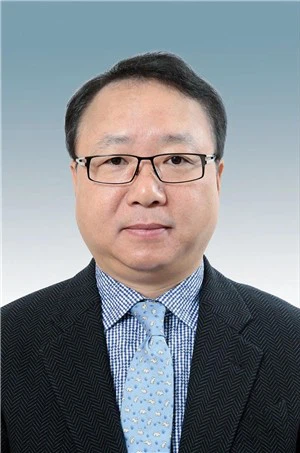
Sun Ruizhe, President of China National Textile and Apparel Council: Deepening Understanding of the Central Economic Work Conference to Embark on a New Journey
Sun Ruizhe, President of the China National Textile and Apparel Council (CNTAC), emphasized the importance of thoroughly implementing the spirit of the recent Central Economic Work Conference in his address. He highlighted the need for collective efforts to navigate the challenges ahead and to initiate a prosperous journey for the textile industry.
In his remarks, Sun noted that General Secretary Xi Jinping's speech at the conference provided a comprehensive summary of the achievements in economic work for 2024 and offered a scientific assessment of the current domestic and international landscape. The speech also outlined key tasks for 2025, serving as critical guidance for the future development of the Chinese economy.
On December 17, the CNTAC Party Committee convened an expanded standing committee meeting to discuss the conference's spirit, outlining plans for further learning and implementation. Participants were urged to grasp the underlying principles of effective economic work, emphasizing the need to strengthen systemic service within the industry.
Sun stressed that the textile sector must uphold the principle that centralized and unified leadership from the Party Central Committee is essential for successful economic endeavors. He called for a deep understanding of the significance of the "two establishments," enhancing awareness of the "four consciousnesses," and reinforcing the "two safeguards." The CNTAC will align its actions with the important directives from Xi Jinping, focusing on three new areas of work.
He outlined several strategic orientations for the industry:
1. Stability and Progress: Given the complexities of the current environment, maintaining stability while pursuing progress is essential. The textile industry must balance supply and demand, enhance quality, and expand overall capacity to ensure economic stability and job security.
2. Innovation and Integrity: The advent of new productive forces necessitates an evolution in production relations. The industry should cultivate new driving forces while rejuvenating existing ones, adhering to a steady progression informed by technological and market realities.
3. Systematic Integration: In a landscape marked by diverse interests and complex challenges, the industry must approach problems holistically. This involves balancing effective market mechanisms with proactive government actions to harmonize various developmental goals.
4. Openness and Sustainability: The push for high-level openness is crucial for stabilizing foreign trade and investment. The industry should enhance its service capabilities, explore new markets, and extend trade into services and digital realms while safeguarding against market risks.
5. Regional Development and Strategic Layout: The CNTAC aims to leverage national regional strategies to stimulate industrial vibrancy. This includes fostering collaboration among regions and optimizing the industrial structure based on local resources and needs.
6. Expectation Management and Unity: Strengthening public communication and maintaining optimism are key to navigating challenges. The industry must engage in thorough research and analysis to support government decisions and bolster enterprise development.
Sun concluded by reiterating the commitment of the textile industry to implement the spirit of Xi Jinping's speech and the decisions made by the Party Central Committee. He called for concerted efforts to enhance policy understanding, strengthen systemic thinking, and act decisively to contribute to the nation's overarching goals.
As the industry moves forward, the focus will remain on quality, innovation, and sustainable development, ensuring that the textile sector continues to thrive and make significant contributions to China's economic landscape.