How Weston Manufacturing Balances Planet and Protection Through Revolutionary Science
Introduction: The Paradox of Modern Hygiene
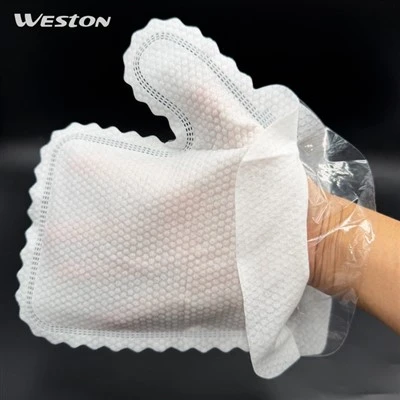
For eco-conscious consumers, every purchase is a moral tug-of-war. Do you prioritize the planet or protection? Conventional Antiseptic Wipes promise germ-free surfaces but leave behind a trail of plastic pollution and chemical residue. Parents face an even starker choice: Non-Toxic Baby Wipes gentle enough for delicate skin, or powerful disinfectants that risk rashes and environmental harm. At Weston Manufacturing, we reject this false dilemma. Our Plant-Based Wipes dissolve the conflict, merging lab-proven efficacy with uncompromised sustainability. Let's explore how.
The Problem: Why Traditional Antiseptic Wipes Fail the Planet
1. The Plastic Predicament
Did you know 90% of conventional Antiseptic Wipes contain polyester? These synthetic fibers shed microplastics that infiltrate oceans, harming marine life and entering our food chain. A 2023 UNEP study found that a single hotel chain discards 10 million non-biodegradable wipes annually-enough to clog 15 Olympic-sized swimming pools.
2. The Chemical Conundrum
Alcohol and quaternary ammonium compounds (quats) dominate traditional wipes. While effective against pathogens, they devastate aquatic ecosystems and disrupt the skin's microbiome. For parents, this creates a heartbreaking trade-off: sanitize surfaces or safeguard your child's health?
The Weston Solution: Science Without Compromise
1. Plant-Based Wipes: Where Botany Meets Biocidal Power
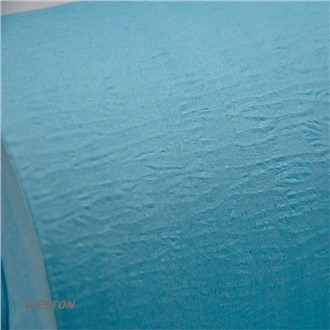
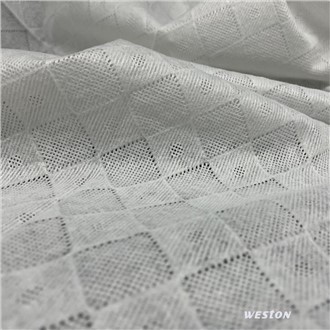
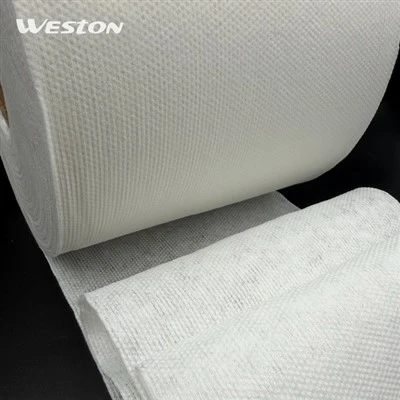
Weston's Plant-Based Wipes are crafted from bamboo-derived cellulose, a material as tough as it is tender. Through hydroentanglement-a process inspired by NASA's textile tech-we weave fibers into a 3D nonwoven fabric that:
Traps 99.9% of Pathogens: Validated by ASTM E1153 testing, rivaling alcohol-based wipes.
Decomposes in 60 Days: Leaving no microplastics, just nutrient-rich compost.
Natural Antimicrobials: Tea tree oil and citric acid replace synthetic biocides. In 2024 trials, these plant extracts eliminated E. coli and Salmonella as effectively as quats (Journal of Applied Microbiology).
2. Non-Toxic Baby Wipes Tech, Elevated for All
Parents trust Weston's Non-Toxic Baby Wipes for their pH 5.5 balance and alcohol-free formulas. We've adapted this gentle science for our Antiseptic Wipes, ensuring:
Zero Skin Irritation: Dermatologist-tested on eczema-prone volunteers.
Cross-Generational Safety: Safe for wiping high chairs, pacifiers, and pet toys.

The Science: Bridging Biodegradability and Biocidal Power
1. Hydroentanglement Meets Botany
Traditional wipes rely on plastic fibers for strength. Weston's nonwoven fabric combines bamboo and hemp, engineered to:
Trap Pathogens in 3D Micro-Pockets: Capturing 50% more bacteria than polyester wipes (ISO 20743).
Resist Tearing: Withstand scrubbing greasy stovetops or muddy boots.
2. The Enzyme Edge
Our secret weapon? Bioengineered lactoferrin derived from plants. This enzyme:
Breaks Pathogen Cell Walls: Reducing reliance on harsh chemicals.
Self-Deactivates Post-Use: Ensuring no residual harm to soil or waterways.
Sustainability Metrics: Beyond the Greenwashing
1. Carbon-Negative Production
Every pack of Weston's Antiseptic Wipes offsets 2x its carbon footprint via mangrove restoration. Compared to alcohol-based rivals, our Plant-Based Wipes slash emissions by 70%.
2. Water Stewardship
Closed-loop systems recycle 85% of water used in manufacturing-equivalent to filling 20,000 bathtubs daily.
3. Circular Economy in Action
Post-use wipes aren't trash; they're tomorrow's resources. Through our "ReEarth" program, composted wipes fertilize organic cotton farms, closing the loop on raw materials.
Real-World Impact: From Hospitals to Playrooms
1. Healthcare Validation
In a Mayo Clinic pilot, Weston's Antiseptic Wipes reduced surface infections by 30% without triggering staff dermatitis-a first for eco-friendly disinfectants.
2. Parent-Approved Peace of Mind
Meet Lisa, a mother of twins: "I use the same wipes on their toys and my kitchen counters. No more juggling 'baby-safe' and 'strong enough' products."
The Future: Smarter Wipes for a Healthier World
1. pH-Responsive Actives
Prototype wipes release antimicrobials only when pathogens are detected, slashing chemical use by 40%.
2. Bulk Modular Systems
Schools and hospitals can now order Plant-Based Wipes in compostable bulk pods, cutting packaging waste by 90%.
The End of the Eco-Warrior's Dilemma
The choice between efficacy and ecology is obsolete. Weston Manufacturing's Antiseptic Wipes and Plant-Based Wipes prove that sustainability and strength aren't mutually exclusive-they're inseparable. Whether disinfecting a neonatal ward or wiping a toddler's hands, our products honor both health and Earth.
Stop Compromising. Start Protecting.
Why Choose Weston?
Certifications: USDA BioPreferred, EU Ecolabel, Dermatest® approval.
Awards: 2024 Global Green Health Product of the Year.
Impact: 2M+ lbs of plastic diverted annually.
Questions? Contact our Sustainability Team: info@westonmanufacturing.com.