Using hygienic wipes is key to keeping clean and stopping illnesses. These wipes, like toilet-paper-seat-wipes, kill bacteria and germs. The right wipes can greatly help keep you and your family safe and healthy.
With growing worries about germs and sickness, knowing what makes a wipe hygienic is important. Good hygienic wipes must kill bacteria and germs. They are a crucial weapon against germs.

Hygienic wipes, such as toilet-paper-seat-wipes, offer deep cleanliness and hygiene. By using these wipes, you can lower the chance of spreading sickness. They help keep your area clean.
Understanding the Science Behind Hygienic Wipes
Hygienic wipes are key in fighting bacteria and germs. Knowing how they work is crucial. Sanitizing agents are vital in killing germs, making wipes a good choice for staying clean.
The ingredients in hygienic wipes target and kill bacteria, viruses, and fungi. These ingredients create a space where germs can't grow.
Active Ingredients That Kill Bacteria
Hygienic wipes often have quaternary ammonium compounds and alcohol-based sanitizers. These ingredients are great at fighting many germs, making wipes popular.
How Sanitizing Agents Work
Sanitizing agents damage the cell membranes of germs, killing them. This stops illnesses and infections from spreading. Using wipes with these agents can lower your chance of getting sick.
The Role of Moisture Content
The moisture in hygienic wipes is also important. The right amount of moisture helps remove dirt and germs better. This makes wipes a more effective cleaning tool.
Knowing how hygienic wipes work and the role of sanitizing agents helps us choose the right wipes. This knowledge promotes better hygiene and reduces illness spread.
Why Traditional Cleaning Methods Fall Short
Traditional cleaning methods often can't kill all bacteria and germs. Hygienic Wipes offer a better solution. They are easy to use and target specific areas.
Hygienic Wipes are a quick and simple way to clean and disinfect. They have several benefits:
Convenience: Hygienic Wipes are portable and can be used anywhere, making them ideal for on-the-go cleaning and disinfecting.
Effectiveness: Hygienic Wipes are designed to kill a wide range of bacteria and microorganisms, making them a reliable choice for cleaning and disinfecting.
Targeted cleaning: Hygienic Wipes can be used to target specific areas of concern, such as high-touch surfaces and areas prone to bacterial growth.
In summary, Hygienic Wipes are a better and easier choice than traditional cleaning methods. They are perfect for keeping your space clean and hygienic.
Essential Features of Effective Sanitizing Wipes
Sanitizing wipes have key features that make them effective. The material they're made of is very important. It affects how well they can pick up and remove bacteria and other germs. Wipes made from cotton or polyester are often chosen because they are durable and absorb well.
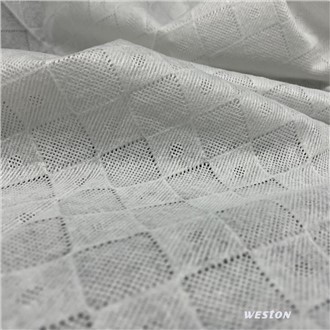
The material also affects how well the wipes can sanitize. The weave and texture of the wipe matter a lot. A dense weave and smooth texture help the wipe pick up and remove germs more efficiently.
Key Characteristics of Effective Sanitizing Wipes
Material composition: The right materials, such as cotton or polyester, can impact the wipe's durability and absorbency.
Sanitizing power: The weave and texture of the wipe can affect its ability to effectively sanitize surfaces.
Durability factors: The wipe's ability to withstand repeated use and cleaning can impact its overall effectiveness.
By looking at these features, people can choose the right sanitizing wipes. They are important for keeping clean and stopping the spread of illness.
Breaking Down Different Types of Wipes
There are many types of wipes out there, each with its own benefits and downsides. Hygienic Wipes are especially popular for their ability to clean surfaces and skin well.
Here are some common types of wipes:
Toilet-paper-seat-wipes for cleaning and disinfecting toilet seats
Sensitive skin washcloths for gentle cleansing and moisturizing
Specialized wipes for cleaning electronics and other delicate surfaces
Knowing about the different types of wipes and their uses helps us make better choices. By picking the right Hygienic Wipes, we can keep our surroundings clean and healthy.
The secret to good hygiene is using the right types of wipes for the task. Doing this regularly helps us avoid getting sick and keeps our environment clean.
|
Type of Wipe |
Benefits |
Drawbacks |
|
Toilet-paper-seat-wipes |
Effective against bacteria and viruses |
May not be suitable for all surfaces |
|
Sensitive skin washcloths |
Gentle on skin, moisturizing |
May not be as effective against tough stains |
Choosing the Right Wipes for Sensitive Skin
For people with sensitive skin, picking the right wipes is key to keeping skin healthy and avoiding irritation. Sensitive skin needs gentle and effective care. It's important to choose hypoallergenic options to lower the chance of bad reactions.
When picking wipes for sensitive skin, think about these things:
Look for hypoallergenic options that are fragrance-free and gentle on the skin.
Opt for natural ingredient alternatives that are less likely to cause irritation.
Choose wipes that are dermatologist-recommended for sensitive skin.
Some well-known brands offer wipes good for sensitive skin, like Cetaphil and Neutrogena. These brands have many hypoallergenic options that meet sensitive skin needs.
By picking the right wipes for sensitive skin, people can keep their skin healthy and balanced. This reduces the chance of irritation and discomfort. Always go for hypoallergenic options and natural ingredients for gentle and effective care for sensitive skin.
|
Brand |
Product |
Hypoallergenic |
|
Cetaphil |
Gentle Skin Wipes |
Yes |
|
Neutrogena |
Sensitive Skin Wipes |
Yes |
Environmental Impact and Sustainability Concerns
When we think about using hygienic wipes, we must consider their environmental impact. The production, use, and disposal of wipes can harm our planet. It's important to look at how wipes affect our ecosystems and the need for biodegradable options.
Non-biodegradable wipes can increase landfill and ocean waste, harming marine life and polluting soil and water. On the other hand, biodegradable wipes can reduce waste. They break down naturally and don't pollute. Companies are working on eco-friendly packaging and biodegradable materials to lessen their environmental impact.
Material composition: Choose wipes made from biodegradable materials like plant-based fibers or recycled materials.
Production process: Think about the energy and resources needed to make the wipes and any waste or emissions during manufacturing.
Disposal methods: Consider how wipes are disposed of and if they can be composted or recycled.
By picking biodegradable options and thinking about wipes' environmental impact, we can lessen our ecological footprint. As consumers, we can push for eco-friendly products and encourage companies to be more sustainable.
Common Mistakes When Using Sanitizing Wipes
When using sanitizing wipes, it's key to avoid common mistakes. One big error is using them wrong, like not following the instructions or not letting the surface dry. This can cause bacteria and other germs to grow, making the wipes less effective.
Another mistake is not storing sanitizing wipes right. Heat, light, or moisture can weaken the sanitizing agents. This makes the wipes less good at fighting off bacteria. Keep them in a cool, dry spot, away from sunlight.
Some other common mistakes to watch out for when using sanitizing wipes include:
Not using enough wipes to cover the entire surface
Not allowing the surface to air dry
Using sanitizing wipes on sensitive skin without testing them first
By knowing these common mistakes and avoiding them, you can use sanitizing wipes well. This helps prevent the spread of bacteria and germs.
|
Mistake |
Consequence |
Solution |
|
Using sanitizing wipes incorrectly |
Reduced effectiveness |
Follow instructions carefully |
|
Not storing sanitizing wipes properly |
Reduced potency |
Store in a cool, dry place |
Best Practices for Maximum Effectiveness
To get the most out of sanitizing wipes, it's key to follow best practices. This means proper storage methods to keep them effective and prevent contamination. Store wipes in a cool, dry place, away from sunlight, to preserve their power.
Another important thing is application techniques. Use the right amount of wipes for the task and apply them to the correct surfaces. Too few wipes can lead to poor sanitization, while too many are wasteful.
Key Considerations for Effective Use
Always read and follow the instructions on the label
Use the recommended number of wipes for the task
Avoid using wipes on sensitive or damaged surfaces
By following these best practices and proper storage methods, your sanitizing wipes will work best. Always prioritize best practices when using sanitizing wipes. This keeps you and others safe.
When to Use Specialized Wipes vs. Regular Ones
Choosing between specialized wipes and regular ones depends on several factors. These include the setting and the purpose of use. In healthcare settings, specialized wipes are key for keeping hygiene high and stopping infections. They kill bacteria, viruses, and more, making them vital in hospitals and clinics.
At home, regular wipes might do the trick. But, specialized wipes are needed for certain tasks or when dealing with sensitive skin. For example, while traveling, they help clean surfaces and hands where water and soap are scarce.
Here are some times when specialized wipes are best:
Healthcare settings: hospitals, clinics, medical facilities
Home use: sensitive skin, specific cleaning tasks
Travel: cleaning surfaces and hands in areas with limited access to clean water and soap
Knowing when to use specialized wipes helps keep our environment clean and healthy. It's all about making the right choice for the right situation.
|
Setting |
Type of Wipes |
|
Healthcare |
Specialized |
|
Home |
Regular or Specialized |
|
Travel |
Specialized |
Price vs. Performance: Making the Smart Choice
When looking at Hygienic Wipes, the debate on price vs. performance is key. The market offers many choices, making it hard to pick the right one. Understanding what affects wipe prices, like material, sanitizing power, and durability, is crucial.
A top-notch Hygienic Wipe should clean well without harming your skin. These wipes might cost more, but their quality is worth it. Cheaper wipes might not clean as well and could irritate your skin.
When comparing price vs. performance, consider these points:
Material composition: Opt for wipes made from quality, gentle materials that fight bacteria and germs.
Sanitizing power: Pick wipes that effectively kill many types of germs, like bacteria, viruses, and fungi.
Durability factors: Think about how long the wipes last and how they handle different places.
By looking at these factors and comparing price vs. performance of Hygienic Wipes, you can make a smart choice. This way, you find the best wipes for your needs.
Making an Informed Decision About Your Sanitizing Needs
Choosing the right sanitizing wipes is important. You need to think about how well they work, how easy they are to use, and their impact on the environment. These factors are key when picking the best option for you.
Knowing how wipes work and what makes them effective is crucial. This knowledge helps you pick the right ones for your needs. Whether it's for healthcare, home, or travel, there are wipes designed for each situation.
Don't just look for the cheapest option. Instead, focus on finding wipes that are both effective and eco-friendly. With the information from this guide, you can make a smart choice. This ensures you and your family stay safe and healthy.
FAQ
What are the active ingredients in hygienic wipes that kill bacteria?
Hygienic wipes often have ingredients like alcohol, quaternary ammonium compounds, or chlorhexidine gluconate. These are good at killing many kinds of bacteria and microorganisms.
How do sanitizing agents work in hygienic wipes?
Sanitizing agents in hygienic wipes mess up the bacteria's cell membranes. They also stop the bacteria's metabolic processes. This effectively kills them.
Why is the moisture content important in hygienic wipes?
Moisture in hygienic wipes activates the sanitizing agents. It makes sure they work well to kill bacteria. The right amount of moisture also keeps the wipes from drying out too fast.
What are the benefits of using hygienic wipes over traditional cleaning methods?
Hygienic wipes are easy to use, clean specifically, and kill bacteria better than old methods like rags or paper towels.
What materials are commonly used in effective sanitizing wipes?
Good sanitizing wipes are often made from cotton or polyester. These materials are tough and absorbent. They let the sanitizing agents work well.
What types of wipes are available for sensitive skin?
For sensitive skin, there are hypoallergenic wipes, natural ingredient wipes, and ones recommended by dermatologists. These are gentle and less likely to irritate.
How can I reduce the environmental impact of using hygienic wipes?
Choose biodegradable wipes and eco-friendly packaging. This helps lessen the environmental harm from using hygienic wipes.
What are some common mistakes people make when using sanitizing wipes?
People often use wipes wrong, don't follow instructions, and don't store them right. This can make the sanitizing agents less effective.
How should I store and apply sanitizing wipes for maximum effectiveness?
Store wipes properly, use them correctly, and follow the recommended use frequency. This ensures the wipes work best.
When should I use specialized wipes versus regular ones?
Use specialized wipes in healthcare, certain home situations, and when traveling. They offer extra hygiene and sanitization.
How can I balance price and performance when choosing hygienic wipes?
Look at the material, sanitizing power, and durability when comparing prices. This helps you find the best value for your needs.