On the afternoon of December 24, the China Industrial Textile Industry Association held its 5th regular executive council meeting online. Key attendees included Li Lingshen, Vice President of the China Textile Industry Federation, and Li Guimei, President of the Association, along with other vice presidents, executive directors, and supervisors.
Li Guimei provided a comprehensive report on industry performance and key association activities for 2024. The industry showed signs of recovery, with steady market demand. However, there are still challenges in improving quality and efficiency. From January to November, the industry's prosperity index was 68.4, and the output of nonwoven fabrics from large enterprises increased by 4.7% year-on-year. Revenue and total profit for these companies grew by 6% and 16.1% respectively from January to October. However, falling product prices have affected profitability. On the international front, exports increased by 5.9% from January to November.
In terms of industry work, Li Guimei discussed various areas, including party building, technology, standards, green development, vocational skills, exhibitions, industry connections, and international cooperation. In 2025, the association aims to strengthen internal development and service capabilities, focusing on high-quality industry growth and innovation. They plan to conduct research on the industry's 14th Five-Year Plan and achieve breakthroughs in key areas.
The meeting reviewed the 2024 work report and discussed high-quality development practices in the industry. Key representatives from four major companies were invited to share their insights: Song Xiquan from Taihe New Materials Group, Deng Weixiong from Guangdong Bidfu Medical Technology, Ye Fuzhong from Zhejiang Yunzongma, and Rao Jincai from Hubei Jinlong New Materials.

Song Xiquan highlighted his company's work in technological innovation and digital transformation. He noted that the manufacturing sector is at a crucial turning point. He believes the industry has strong international competitiveness and potential for domestic growth. He suggested that the sector should focus on global trends, enhance competitiveness, and prioritize sustainable development.
Deng Weixiong shared his views on the recovering market and competitive pricing in the U.S. nonwoven fabric sector. He stressed that while entering international markets can increase market share, it may also reduce domestic job opportunities. He called for faster transformation and innovation in the nonwoven industry.
Ye Fuzhong emphasized the need for strategic planning amid economic uncertainties. He mentioned that his company is focusing on quality improvement and digital transformation while adhering to green development principles. He hopes the association will help support rapid growth for companies.
Rao Jincai discussed adapting to economic and market changes. His company is focusing on innovation and workforce development to stay competitive. He expressed a desire for the association to facilitate collaboration within and across industries.
In closing remarks, Li Lingshen praised the association's annual work. He stressed the importance of addressing the impacts of the AI revolution, changes in the supply chain due to deglobalization, and opportunities in the new reform cycle. He encouraged a focus on technological and industrial innovation to strengthen the manufacturing sector. The association should continue to enhance its capacity and adapt to changing conditions for ongoing growth and improvement.
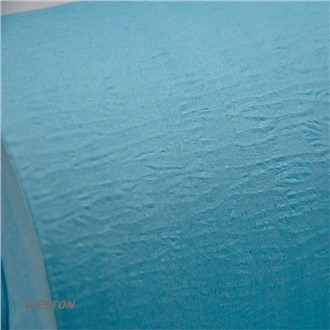
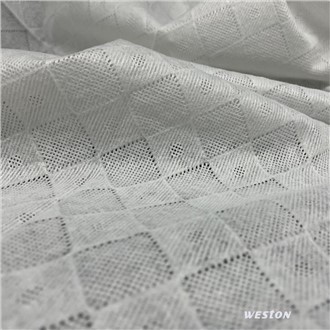
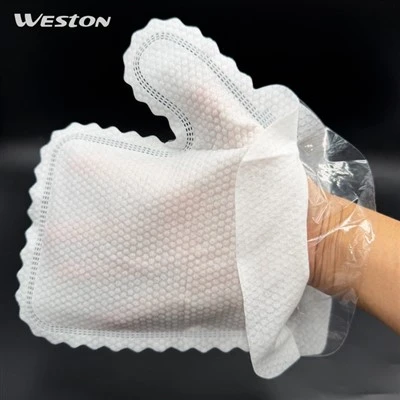
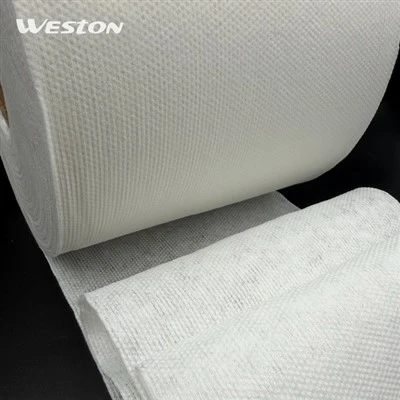
Weston Nonwovens specializes in high-quality spunlace fabric, known for its softness and durability. This innovative material is created through a unique process that entangles fibers, resulting in a versatile product suitable for various applications. From personal care to industrial uses, spunlace fabric stands out for its ability to provide both comfort and strength.