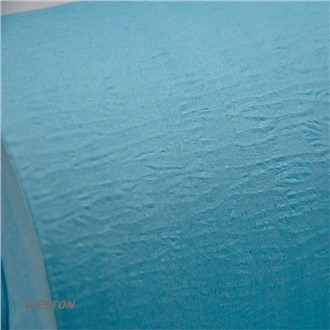
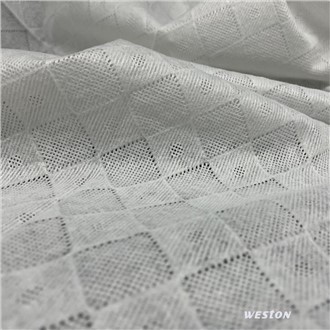
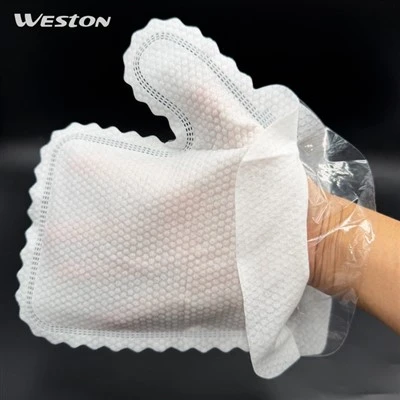
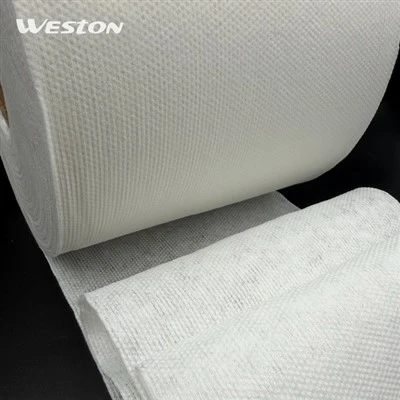
In an era where conscious consumerism is no longer a niche trend but a global imperative, the choices we make about the textiles we use carry significant weight. From the clothes we wear to the cleaning cloths we rely on, each product's environmental footprint matters. Today, we dive deep into a critical comparison: bamboo versus microfiber. As a leading spunlace nonwoven fabric supplier, Weston Nonwoven is committed to shedding light on these materials' true costs and benefits-while showcasing how our innovative solutions, like 100% Bamboo Fiber Polish Cloths, blend sustainability with performance.

Understanding the Environmental Footprint of Bamboo and Microfiber
Let's start at the core: what exactly are these materials, and why does their origin matter? Bamboo is a marvel of nature-an incredibly fast-growing grass that needs minimal resources to thrive. It regenerates quickly without the need for replanting, making it a rapidly renewable natural resource. In contrast, microfiber is a synthetic material, typically made from polyester or polyamide-petrochemical-based polymers derived from finite fossil fuels.
But environmental impact is a story told in three acts: raw material sourcing, production processes, and end-of-life disposal. At Weston Nonwoven, we believe in transparency at every stage. Our 100% Bamboo Fiber Polish Cloths are more than just a product; they're a testament to our mission: to create textiles that honor both human needs and planetary health.
Bamboo: Nature's Fast-Growing Renewable Resource with Nuanced Processing
The Miracle of Bamboo Sourcing
Bamboo is nature's speedster, growing up to 3 feet in a single day in optimal conditions. Unlike cotton or other crops, it requires no pesticides or fertilizers-its natural resilience keeps pests at bay. It thrives with minimal water, often relying solely on rainfall, and its extensive root system prevents soil erosion, making it a regenerative choice for ecosystems.
From Bamboo Stalk to Soft Fabric: The Processing Journey
Converting bamboo into usable fiber isn't as simple as harvesting and weaving. Most commonly, it's processed into viscose (rayon), a process that involves dissolving the plant's cellulose with chemicals. While traditional methods could raise concerns about wastewater and chemical runoff, closed-loop systems-like those Weston Nonwoven employs-recycle and purify 95% of processing liquids, drastically reducing environmental harm. This innovation ensures we harness bamboo's benefits without compromising our planet's health.
End-of-Life Advantages: Biodegradability and Beyond
One of bamboo's greatest strengths is its biodegradability. At the end of their lifecycle, bamboo-based products break down naturally in soil, leaving no harmful residues. They also boast natural antimicrobial properties, making them ideal for products where hygiene matters-think 100% Bamboo Fiber Polish Cloths that clean effectively while resisting bacterial growth, or Bamboo Fiber Sanitary Napkins that offer a gentle, eco-friendly alternative.

Microfiber: Synthetic Convenience with Environmental Challenges
The Allure of Microfiber Performance
There's no denying microfiber's appeal. Its ultra-fine strands (thinner than a human hair) create a fabric that's supremely absorbent, durable, and adept at trapping dust and dirt. Products like our Microfiber Dusting Cloths and Screen Cleaning Wipes leverage these properties to deliver superior cleaning results, making them a favorite in households and industries alike.
The Dark Side of Durability
But this durability comes with a cost. Microfiber's synthetic origins mean it's derived from non-renewable petroleum, and its production is energy-intensive, relying on high temperatures and chemical solvents. Worse yet, during washing, microfibers shed tiny plastic particles-microplastics-that slip through water treatment filters and pollute oceans, rivers, and soil. These particles are ingested by marine life, entering the food chain and threatening ecosystems.
Recycling Challenges
While efforts to recycle microfiber are underway, the process is complex and far from perfect. Most recycling facilities can't handle the blend of polymers in microfiber products, leading to a staggering 95% of microfiber waste ending up in landfills, where it persists for hundreds of years.
Lifecycle Comparison: From Cradle to Grave
To truly understand their impact, let's compare bamboo and microfiber across every stage of their lifecycle:
|
Stage |
Bamboo |
Microfiber |
|
Raw Material Sourcing |
Rapidly renewable, requires minimal water/chemicals, regenerates naturally. |
Derived from finite fossil fuels, extraction contributes to carbon emissions. |
|
Manufacturing |
Closed-loop systems reduce chemical waste; lower energy use with sustainable processes. |
High energy consumption; reliance on petrochemicals and synthetic polymers. |
|
Consumer Use |
No microplastic shedding; natural antimicrobial properties reduce need for harsh cleaners. |
Microfibers shed 1.5 million particles per wash, contributing to microplastic pollution. |
|
Disposal |
Biodegradable in 3–6 months in composting environments; no toxic residue. |
Non-biodegradable; persists in landfills for centuries; microplastics leach into ecosystems. |
This table paints a clear picture: while microfiber excels in performance, bamboo leads in renewability, biodegradability, and overall ecological balance. Our 100% Bamboo Fiber Polish Cloths embody this balance-delivering the cleaning power you need without the long-term environmental toll.
Weston Nonwoven's Role in Sustainable Spunlace Fabric Innovation
At Weston Nonwoven, we don't just follow trends-we set them. Our expertise in spunlace nonwoven technology allows us to craft fabrics that maximize each material's strengths while minimizing its drawbacks.
The Flagship: 100% Bamboo Fiber Polish Cloths
These cloths are more than a cleaning tool; they're a statement. Made from 100% bamboo fiber, they offer:
Superior Absorbency: Holds 3x its weight in liquid, tackling spills with ease.
Gentle on Surfaces: Lint-free and scratch-resistant, perfect for delicate surfaces like glass, stainless steel, and wood.
Eco-Friendly from Start to Finish: Grown without chemicals, processed in closed-loop systems, and fully biodegradable at end-of-life.
A Portfolio for Every Need
While we're proud to lead with bamboo, we understand that every application has unique requirements. That's why our range also includes high-quality microfiber products like Microfiber Dusting Cloths and Screen Cleaning Wipes-engineered for durability and performance, while advocating for mindful use (think washing in mesh bags to capture microfibers). And for industries seeking hygiene and sustainability, our Bamboo Fiber Sanitary Napkins offer a natural, breathable solution.
Innovation as a Core Value
Our R&D team is constantly exploring ways to push the envelope: from improving bamboo processing efficiency to researching biodegradable synthetic blends. We believe sustainable textiles shouldn't require compromise-between performance, ethics, or profitability.
Choosing Wisely: A Guide for Consumers and Businesses
So, how do you decide between bamboo and microfiber? Here's our practical advice:
Opt for Bamboo When…
Sustainability is a Priority: If you're looking for products that leave no trace-ideal for single-use items, hygiene products, or household cleaners you'll dispose of relatively quickly.
Natural Properties Matter: Antimicrobial benefits, softness, and biodegradability make bamboo the choice for baby products, personal care, and eco-conscious households.
Choose Microfiber When…
Durability is Key: For products you'll use repeatedly over years-think industrial cleaning cloths, heavy-duty towels, or outdoor gear.
High Performance is Non-Negotiable: Microfiber's ability to trap fine dust and oils makes it indispensable for electronics, automotive cleaning, and precision industries.
The Weston Promise

Whichever material you choose, our products are designed with transparency and responsibility at their core. Explore our range to find solutions that match your values and needs-whether it's the eco-luxe of 100% Bamboo Fiber Polish Cloths or the reliable performance of our microfiber line.
Looking Ahead: The Future of Sustainable Nonwoven Fabrics
The textile industry is at a crossroads, and innovation is the compass guiding us forward. We're excited about trends like:
Regenerative Sourcing: Partnering with bamboo farms that prioritize soil health and biodiversity.
Circular Manufacturing: Creating products that can be recycled or composted, closing the loop on waste.
Biotech Breakthroughs: Exploring lab-grown fibers and enzymes that reduce reliance on harsh chemicals.
At Weston Nonwoven, our vision is clear: a world where every fabric choice is a step toward sustainability. We invite you to join us in this journey-whether as a consumer, a business partner, or an innovator.
For partnerships, bulk orders, or technical inquiries: info@westonmanufacturing.com
Let's build a healthier planet-one cloth at a time.