What helps a sanitizing wipe work well when you buy a lot? You may use Bulk Sanitizing Wipes in places like hospitals or hotels. Here is where people use them the most:
|
Environment |
Description |
|
Healthcare |
Used to stop germs and clean in medical places. |
|
Hospitality |
Helps keep hotels and restaurants safe and clean for everyone. |
Think about your space and what you need most. Do you want fast cleaning, killing germs, or gentle ingredients?
Choosing Bulk Sanitizing Wipes

Intended Use & Application
When you choose Bulk Sanitizing Wipes, think about your job. Some wipes clean up dirt. Other wipes kill germs and viruses. If you work in a hospital, pick wipes that disinfect. If you run a gym or school, you might need both cleaning and disinfecting wipes.
Here's a simple look at the difference:
|
Type |
Intended Use |
Effectiveness Against Germs |
|
Cleaning Wipes |
Take away dirt and dust but do not kill germs |
Lower germs but do not kill them |
|
Disinfecting Wipes |
Kill bacteria and viruses on hard surfaces; need time to work |
Kill germs well if used the right way |
Always check the label before you buy. Some wipes only clean. Disinfecting wipes are stronger and kill bacteria and viruses. They need to stay wet for a few minutes to work. If you use wipes in medical or food places, make sure they meet your industry's rules. For hospitals, wipes should pass tests like ASTM E2967 or BS EN 13727.
Tip: Disinfectant wipes are not for skin. They have strong ingredients that can bother your hands.
Ingredients & Kill Claims
Bulk Sanitizing Wipes work because of their ingredients. You want wipes that kill 99.9% of common bacteria and viruses like MRSA, E. coli, and coronavirus. Look for these main ingredients:
Alcohol
Hydrogen peroxide
Quaternary ammonium compounds
These ingredients fight many germs. Alcohol and hydrogen peroxide work fast. Quaternary ammonium compounds are used in hospital wipes. Always read the kill claims on the package. The best wipes say which germs they kill and how long it takes.
Groups like the U.S. Environmental Protection Agency (EPA) check these claims. The EPA makes sure wipes follow strict rules before they are sold. Wipes must be used, stored, and timed as the maker says. If you skip steps, wipes may not work right.
|
Regulatory Agency |
Requirements |
|
EPA |
Must register antimicrobial pesticides, show proof they work, and use special testing methods |
Note: The wipe's material matters too. A Nonwoven Cleaning Wipes Manufacturer, like Weston Nonwoven, uses special materials that hold disinfectant and spread it well.
Expiration & Storage
Bulk Sanitizing Wipes do not last forever. Most wipes last 1-2 years from when they are made. After they expire, wipes lose power to kill germs. Old wipes may leave streaks or not clean well.
To keep wipes fresh and strong:
Store unopened wipes in their own package.
Keep wipes away from heat and cold.
In humid places, let air move around wipes to stop mold.
In dry places, store wipes where it is a little humid so they do not dry out.
Close opened packs right after you use them.
Sometimes, store opened packs upside down to spread moisture.
If you use wipes in busy places like schools, hospitals, or offices, buying in bulk helps you always have enough. Bulk Sanitizing Wipes save money and cut down on packaging waste. You also get a steady supply, even if prices go up or supplies run low.
Remember: Use wipes before they expire. Follow storage tips to keep wipes working well.
Material, Safety, and Environmental Impact
Nonwoven Material Benefits
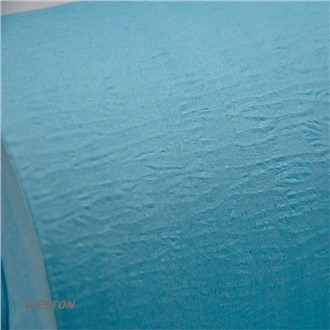
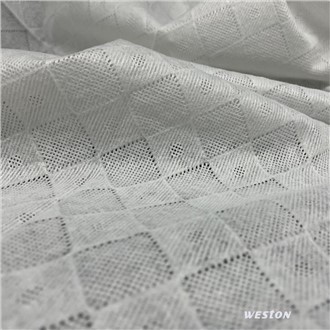
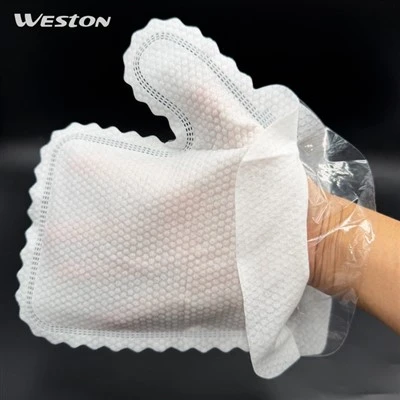
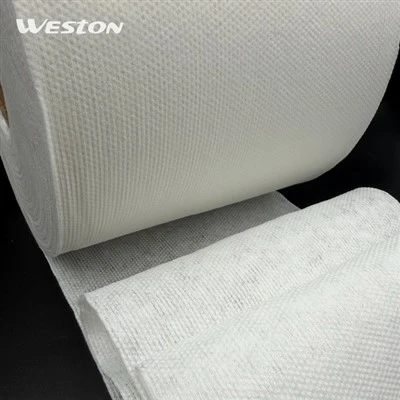
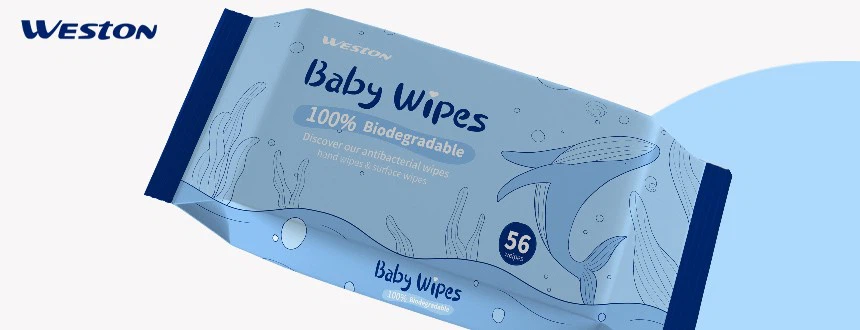
When you choose Bulk Sanitizing Wipes, you want them to work fast and keep things safe. Nonwoven materials are important for this. Many wipes use nonwoven fabric for good reasons. Nonwovens pick up dirt and germs better than woven cloths. You use them once and throw them away, so you do not have to wash them. This helps stop germs from spreading. Nonwoven wipes are made for special uses. Hospitals use them for surgery, first aid, and dressings. They help fight strong germs that cause sickness. Nonwoven Cleaning Wipes Manufacturer can make wipes for your needs, even eco-friendly ones. Nonwoven wipes save time and money. You do not need to clean them after each use. They help keep places like hospitals, schools, and gyms safe. But there is something to think about. Many nonwoven wipes mix natural and synthetic fibers. The natural part breaks down in nature, but the synthetic part does not. Some wipes say they are biodegradable, but they may not break down fast. Chemicals in wipes can also slow this down.
Chemical Safety & Skin Sensitivity
You use wipes every day, so you want them to be safe for your skin. Some chemicals in wipes can cause problems, especially if you have sensitive skin or allergies. Here are things to watch for: Methylisothiazolinone (MI) is a common allergen. It can cause itching, swelling, or hives. Benzalkonium chloride (BAC) can bother your skin, even in small amounts. Fragrances and preservatives can cause allergic reactions. If you use wipes a lot, check the label for these ingredients. Some wipes are safer for skin, but disinfecting wipes are not for hands or faces. They can be too strong and cause skin problems. Some people say wipes cause allergies or asthma, especially in kids. Quaternary ammonium compounds (quats) can make breathing worse. You should use disinfecting wipes only when you need to kill germs, not just for cleaning. Here is a quick look at safety checks:
|
Certification Type |
Details |
|
FDA Certification |
Some sanitizing wipes are FDA certified. |
Tip: If you have sensitive skin, look for wipes that say "dermatologically tested" or "safe for skin." Always wash your hands after using disinfecting wipes.
Eco-Friendly & Bulk Packaging
You care about the planet, so you want wipes that do not hurt the environment. Bulk Sanitizing Wipes help you make less waste. When you buy in bulk, you use less packaging. This means less plastic goes into landfills and oceans. Bulk packaging also uses plant-based materials. This lowers your carbon footprint. It saves energy and makes shipping easier. You help protect animals and keep plastic out of nature. But there are some problems. Most wipes are single-use and made with plastics that do not break down fast. Millions of wipes get thrown away every day. The packaging is often not recyclable, which adds to pollution. Chemicals in wipes can also pollute water.
Traditional sanitizing wipes are made from non-biodegradable materials and packaged in non-recyclable plastics, leading to significant plastic pollution and landfill waste. In contrast, reusable cleaning cloths can be washed and reused, greatly reducing waste. Additionally, traditional wipes contribute to water pollution due to harsh chemicals, while reusable cloths typically do not have this issue.
You can help by choosing eco-friendly wipes. These wipes break down in about 90 days and use safer ingredients. They cost less over time and help keep your space clean without hurting the earth. Here is a quick comparison:
|
Aspect |
Eco-Friendly Wipes |
Conventional Wipes |
|
Environmental Impact |
Reduces harmful chemical exposure and waste |
Higher chemical exposure and waste |
|
Cost Savings |
30-50% reduction in cleaning supply costs |
Higher long-term costs |
|
Initial Investment Recovery |
3-6 months through bulk pricing advantages |
N/A |
|
Cleaning Effectiveness |
Comparable to traditional cleaners |
Varies, may be less effective |
|
Biodegradability |
Breaks down naturally in 90 days |
Not biodegradable |
|
Safety for Occupants |
Safer for occupants |
Potentially harmful chemicals |
If you want to help the planet, buy wipes in bulk and pick products from a Nonwoven Cleaning Wipes Manufacturer that cares about the environment. You save money, make less waste, and help your community stay healthy. Buying in bulk cuts down on packaging waste and carbon emissions. It shows you care about the planet, which can help your business look good. Bulk packaging uses less plastic, which is better for the earth. Modern eco-friendly wipes work as well as regular ones. They meet EPA standards and keep your space safe. You get the cleaning you need without extra waste.
When you choose Bulk Sanitizing Wipes, think about your job and what you do every day. Facility managers look at a few things:
|
Factor |
Description |
|
Industry |
Germs you need to fight |
|
Purpose |
Cleaning, disinfecting, or sanitizing |
|
Wipe Count |
How many wipes you use each day |
|
Material |
Nonwoven for strength and compostability |
Weston Nonwoven is a Nonwoven Cleaning Wipes Manufacturer. Their wipes are 50% stronger than others. They also break down quickly in compost. This helps the earth and keeps your space safe. You can get a free sample if you want. Just email info@westonmanufacturing.com.
Pick wipes that clean well and are safe to use. Try to choose wipes that are good for the planet too. This helps everyone have a cleaner future.
FAQ
How do you know if Bulk Sanitizing Wipes are safe for your skin?
Look for "dermatologically tested" on the label. If your skin is sensitive, pick wipes with mild ingredients. Always wash your hands after using strong disinfectant wipes.
Can you use Bulk Sanitizing Wipes on all surfaces?
Most wipes work on hard, smooth surfaces. Do not use them on soft fabrics or electronics unless the Nonwoven Cleaning Wipes Manufacturer says it is okay.
Why should you buy from a Nonwoven Cleaning Wipes Manufacturer?
You get wipes made for what you need. Weston Nonwoven makes wipes that are strong and dependable. You can ask for eco-friendly wipes and get help with big orders.