What Is The Meltblown Technique?
Meltblown is a nonwoven fabric manufacturing process that extrudes molten thermoplastic resin through fine nozzles and blasts it with high-velocity hot air, stretching the polymer into ultra-fine fibers (as thin as 1–5 micrometers) that self-bond into a fabric as they cool. That microfiber structure is what gives meltblown fabric its signature properties - exceptional filtration efficiency and absorbency - and it's why the technique sits behind products from N95 respirator media to industrial oil-absorbent wipers. This guide walks through how the process works, why it matters, where it's used, and how the technology is evolving.

How the Meltblown Process Works
The meltblown process turns raw thermoplastic resin into a nonwoven web in a single continuous line, without any weaving, knitting, or spinning of yarn. It happens in five key stages:
- Polymer selection. Most meltblown lines use polypropylene, chosen for its chemical resistance, low cost, and favorable melt characteristics.
- Melt extrusion. The resin is heated to a molten state and forced through a die containing hundreds of tiny nozzles (spinnerets), producing fine streams of liquid polymer.
- Fiber formation. High-velocity, high-temperature air jets on either side of the die blast the molten streams as they emerge, stretching and rapidly cooling them into fibers as fine as 1–5 micrometers in diameter - roughly 1/20th the width of a human hair.
- Web formation. The airstream carries the fibers onto a moving conveyor or collector, where they land in a random, self-entangling pattern and bond together as they cool, forming a continuous nonwoven web.
- Finishing. Depending on the intended use, the web may then be treated to add hydrophobic, hydrophilic, antimicrobial, or electret (electrostatically charged) properties.
Because the fiber diameter and web density are controlled by air pressure, temperature, and die design, manufacturers can fine-tune a single production line to make very different products - from featherlight filter media to dense, absorbent mats.
Why Meltblown Fabric Stands Out
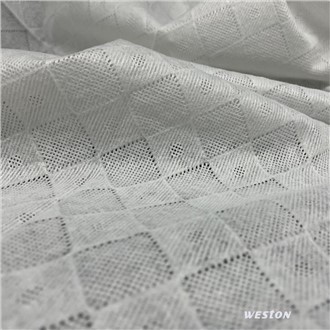
Exceptional fine-fiber structure. The microfiber diameter gives meltblown fabric an unusually large surface area for its weight, which is the main reason it filters so effectively - the same principle that lets it trap oil molecules or airborne particulates that coarser fabrics let through.
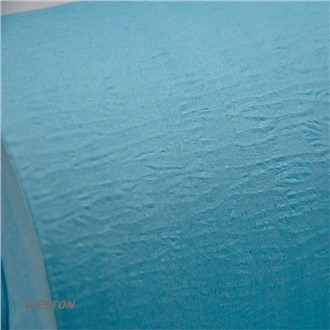
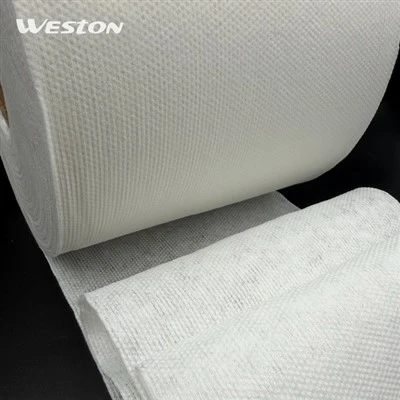
High absorbency. That same fine structure gives meltblown fabric strong capillary action, so it soaks up liquids quickly. This is why oil-absorbent wipers, such as Crows Feet Melt Blown Oil Absorbent Wipers, are built on a meltblown base.
Versatility. A single manufacturing platform can be tuned toward filtration efficiency, absorbency, barrier protection, or softness, which is why meltblown shows up in such a wide range of finished goods.
Production efficiency. Because polymer goes from pellet to finished web in one pass, meltblown lines can run at high throughput with comparatively low cost per unit - an advantage that matters for buyers sourcing at volume.

Where Meltblown Fabric Is Used
Filtration media. Air and water filtration systems depend on meltblown layers to trap particulates, including in HVAC systems, cleanrooms, and products like meltblown filter media material used across industrial and food-processing settings.
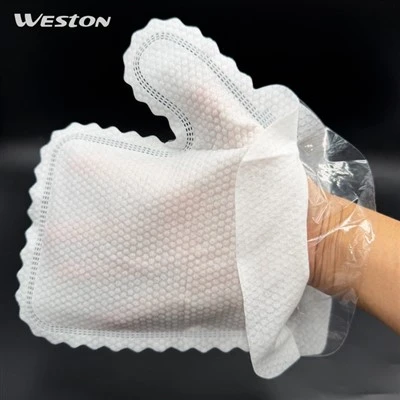
Oil and chemical absorbents. Products such as MSM Melt Blown Disposable Oil Wipes are engineered specifically to absorb oils and hydrocarbons for spill response, automotive shops, and industrial maintenance.
Medical and PPE products. Surgical masks, isolation gowns, and drapes rely on meltblown layers for their combination of microbial barrier performance and breathability - the same properties that made meltblown capacity a global priority during the pandemic years.
Personal care. Meltblown layers add softness and moisture management to wipes, diapers, and other hygiene products.
Current Industry Trends
Meltblown technology has moved quickly in the last few years, driven largely by demand for higher-performance filtration and more sustainable production practices.
Monomaterial and recyclable design. Rather than layering different plastics together, which complicates recycling, some producers are shifting toward single-polymer, bi-component fiber designs - for example pairing a recycled-content core with a virgin-polymer sheath of the same resin family - to keep multi-layer fabrics easier to recycle.
Coforming and hybrid structures. Combining meltblown fibers with other materials in a single process - known as coforming - is enabling products with a high proportion of renewable cellulose content, reducing overall plastic content without sacrificing performance.
Higher-performance filtration. Advances in bicomponent fiber and electret (charge-enhanced) technology are improving filtration benchmarks; upgraded electret media can improve viral filtration efficiency by up to 10% compared with earlier-generation media.
Challenges to Keep in Mind
End-of-life considerations. Polypropylene, the primary material used in meltblown production, is not biodegradable, so responsible disposal, reuse, and recycling pathways are an important part of any sourcing decision.
Process sensitivity. Meltblown production requires tight control of temperature and airflow; small deviations can shift fiber diameter and web density enough to affect filtration or absorbency performance.
Market competition. As demand for meltblown products has grown, so has the number of suppliers, making quality consistency and supply chain reliability important differentiators for buyers.
Looking Ahead
The next generation of meltblown products is likely to combine several of these trends at once - recycled feedstock, monomaterial construction for easier recycling, and enhanced functional treatments such as antimicrobial or water-repellent finishes. For professional buyers, that means more options to match sustainability commitments with performance requirements, rather than having to choose one over the other.
Weston Nonwoven continues to develop meltblown products - including the Crows Feet Melt Blown Oil Absorbent Wipers and MSM Melt Blown Disposable Oil Wipes referenced above - that are built around these same principles of fine-fiber performance and reliable production quality.
For inquiries or further information about our products, please contact us at info@westonmanufacturing.com.