In the evolving landscape of personal care, the demand for safe and effective feminine wipes continues to grow as consumers become more discerning about product ingredients and manufacturing standards. For professional buyers, navigating this market requires a blend of scientific rigor, industry expertise, and an understanding of emerging trends. This guide outlines critical considerations to ensure the selection of feminine wipes that prioritize safety without compromising on performance, with insights into how innovations in materials-such as those developed by Weston Nonwoven-play a pivotal role in meeting these standards.
Prioritize Raw Material Transparency
The foundation of any safe feminine wipe lies in its raw materials, making transparency in sourcing non-negotiable for professional buyers. Unlike conventional options, high-quality Gentle Feminine Wipes rely on substrates that balance softness with durability, a characteristic exemplified by advanced nonwoven fabrics.

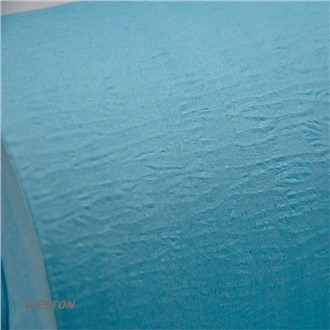
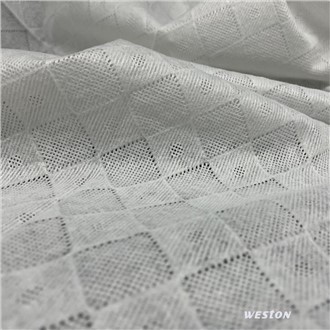
Nonwoven materials, widely used in personal care products from Non-Woven Facial Mask Sheet to Soft Viscose Nonwoven For Cosmetic Pads, undergo rigorous processing to ensure they meet safety benchmarks. For feminine wipes, the ideal substrate should be free from harmful residuals such as heavy metals, formaldehyde, and phthalates, which can leach into the skin and cause irritation or long-term health risks. Weston Nonwoven's approach to material science emphasizes purity, utilizing proprietary processes to refine viscose-based nonwovens that are both hypoallergenic and biodegradable-a key advantage in an era where environmental sustainability is as critical as safety.
Buyers should verify that suppliers provide comprehensive material safety data sheets (MSDS) detailing the origin of fibers, processing agents, and third-party certifications for compliance with global standards such as OEKO-TEX® or FDA regulations. This level of transparency not only mitigates risks but also aligns with consumer expectations for ethical sourcing, enhancing brand credibility.
Scrutinize Ingredient Formulations for Biocompatibility
Beyond the substrate, the chemical composition of feminine wipes demands meticulous evaluation. The intimate area's pH balance (typically between 3.8 and 4.5) is delicate, and formulations that disrupt this equilibrium can lead to infections, inflammation, or discomfort. Professional buyers must prioritize wipes formulated with mild, dermatologically tested ingredients.
Key ingredients to seek include natural moisturizers like aloe vera or chamomile extract, which soothe the skin without introducing harsh chemicals. Conversely, avoid products containing alcohol, artificial fragrances, or parabens-substances linked to irritation and hormonal disruption. It is worth noting that Gentle Feminine Wipes designed for daily use often feature preservative systems derived from plant-based compounds, offering antimicrobial protection without compromising safety.
Innovations in formulation science, paired with high-performance substrates like Soft Viscose Nonwoven For Cosmetic Pads, create a synergistic effect: the nonwoven material acts as a gentle carrier for active ingredients, ensuring even distribution while minimizing friction. This combination is particularly valuable for sensitive skin, as it reduces the likelihood of micro-abrasions that can exacerbate irritation.
Evaluate Manufacturing Processes for Contamination Control
The safety of feminine wipes is equally dependent on manufacturing practices as it is on raw materials. Professional buyers should assess production facilities for adherence to Good Manufacturing Practices (GMP), with a focus on contamination control measures.
Advanced facilities, such as those utilized by industry leaders in nonwoven production, employ closed-loop systems to prevent cross-contamination during the conversion of raw materials into finished wipes. This includes sterile environments for adding liquids to nonwoven substrates and automated packaging to reduce human contact-critical steps in avoiding microbial growth, which poses significant health risks for users.
Comparable to quality standards in Non-Woven Facial Mask Sheet production, where sterility is paramount, feminine wipe manufacturers should implement rigorous testing at every stage: from incoming material inspections to final product microbiological screening. Buyers should request documentation of these tests, including results for pathogens like E. coli and Staphylococcus aureus, to ensure compliance with global health regulations.
Assess Biodegradability and Environmental Impact
In 2025, safety extends beyond human health to encompass environmental responsibility, making biodegradability a key criterion for professional buyers. Traditional nonwoven materials, often derived from petroleum-based plastics, can persist in ecosystems, contributing to pollution. In contrast, Soft Viscose Nonwoven For Cosmetic Pads and similar viscose-based substrates used in premium Gentle Feminine Wipes offer a more sustainable alternative, as they are derived from renewable resources like wood pulp and break down naturally in appropriate conditions.
However, biodegradability claims require verification. Buyers should look for certifications from reputable organizations such as ASTM or EN standards, which outline specific testing protocols for compostability and environmental impact. Weston Nonwoven's commitment to eco-friendly innovation is evident in its development of nonwovens that balance performance with sustainability, ensuring that products degrade without releasing toxic byproducts-an essential consideration for brands aiming to meet both consumer demands and regulatory requirements.
Consider Functional Design for Safe Application

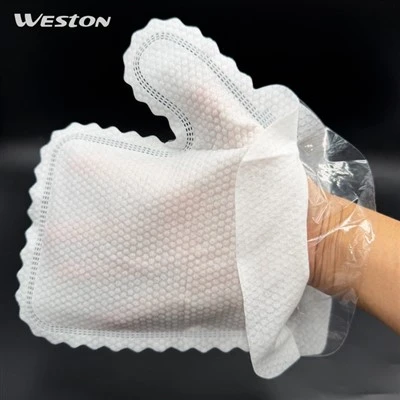
A wipe's design influences not only user experience but also safety. Gentle Feminine Wipes should feature a texture that is soft yet resilient enough to avoid tearing during use, as fragmented fibers can cause irritation or become trapped in sensitive areas. This is where advancements in nonwoven technology shine: materials engineered with a balanced blend of strength and softness, similar to the precision found in Non-Woven Facial Mask Sheet design, ensure reliable performance.
Additionally, packaging plays a critical role in maintaining product integrity. Wipes should be sealed in airtight containers with moisture-locking mechanisms to prevent drying out, which can render preservatives ineffective and increase the risk of bacterial contamination. Resealable lids or individual packaging options offer added protection, particularly for products intended for travel or on-the-go use.
Leverage Clinical Data and User Insights
While laboratory testing is essential, real-world performance data provides invaluable insights into a product's safety profile. Professional buyers should seek feminine wipes backed by clinical studies demonstrating their compatibility with intimate skin, including results from patch tests and long-term use trials. These studies should be conducted by independent third parties to ensure objectivity.
User feedback, when analyzed systematically, can also highlight potential issues that may not emerge in controlled settings. For example, reports of recurring irritation may indicate a need to re-evaluate either the substrate or formulation, even if initial tests show compliance. Brands that actively collect and respond to such feedback demonstrate a commitment to continuous improvement-an attribute that aligns with the evolving needs of consumers and regulatory bodies alike.
Align with Emerging Regulatory Standards
The regulatory landscape for personal care products is becoming increasingly stringent, with governments worldwide updating guidelines to address emerging health concerns. In 2025, professional buyers must stay abreast of changes such as stricter limits on certain preservatives or mandatory labeling requirements for biodegradable materials.
Weston Nonwoven's proactive approach to compliance ensures that its nonwoven substrates-whether used in Gentle Feminine Wipes or Non-Woven Facial Mask Sheet products-meet or exceed these standards. By partnering with suppliers who prioritize regulatory foresight, buyers can mitigate the risk of product recalls or market access issues, ensuring long-term viability for their product lines.
Balance Cost and Quality Without Compromise
While budget considerations are inevitable, prioritizing cost over quality in feminine wipes can lead to significant risks, including reputational damage and potential legal liabilities. Professional buyers should view investment in high-quality materials and manufacturing processes as a long-term strategy rather than an expense.
Innovations in nonwoven production, such as those pioneered by Weston Nonwoven, have made it possible to achieve both safety and cost efficiency. By optimizing material usage and streamlining production, these advancements ensure that premium Soft Viscose Nonwoven For Cosmetic Pads and feminine wipe substrates remain accessible without sacrificing performance. Buyers should conduct a thorough cost-benefit analysis, weighing factors like reduced returns due to customer satisfaction against initial procurement costs.
Embrace Technological Advancements in Nonwoven Engineering

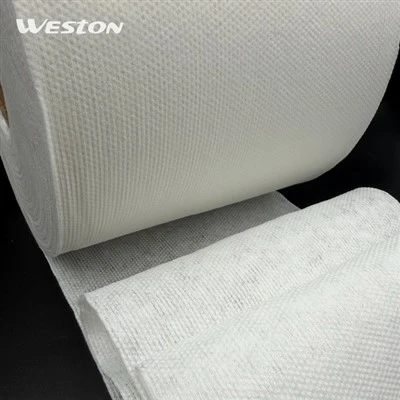
The future of safe feminine wipes is closely tied to innovations in nonwoven technology. Next-generation materials offer enhanced properties such as improved liquid retention, better barrier protection, and increased breathability-all of which contribute to safer, more effective products. For instance, textured nonwovens can reduce the need for harsh cleaning agents by enhancing dirt and bacteria removal through mechanical action alone.
Weston Nonwoven's research into bio-based polymers and nanotechnology applications is at the forefront of this trend, offering substrates that combine natural ingredients with advanced functionality. Professional buyers who incorporate these cutting-edge materials into their product selections position themselves as industry leaders, meeting consumer demands for both safety and innovation.
In an industry where trust is paramount, the selection of safe feminine wipes requires a holistic approach that encompasses materials, formulation, manufacturing, and compliance. By prioritizing transparency, scientific rigor, and sustainability, professional buyers can ensure that the products they offer not only meet regulatory standards but also earn the confidence of consumers. With partners like Weston Nonwoven driving advancements in nonwoven technology, the future of feminine hygiene lies in products that are as safe and gentle as they are effective-setting a new standard for personal care excellence in 2025 and beyond.